
Business
Jet fuel prices hiked, air fares to rise

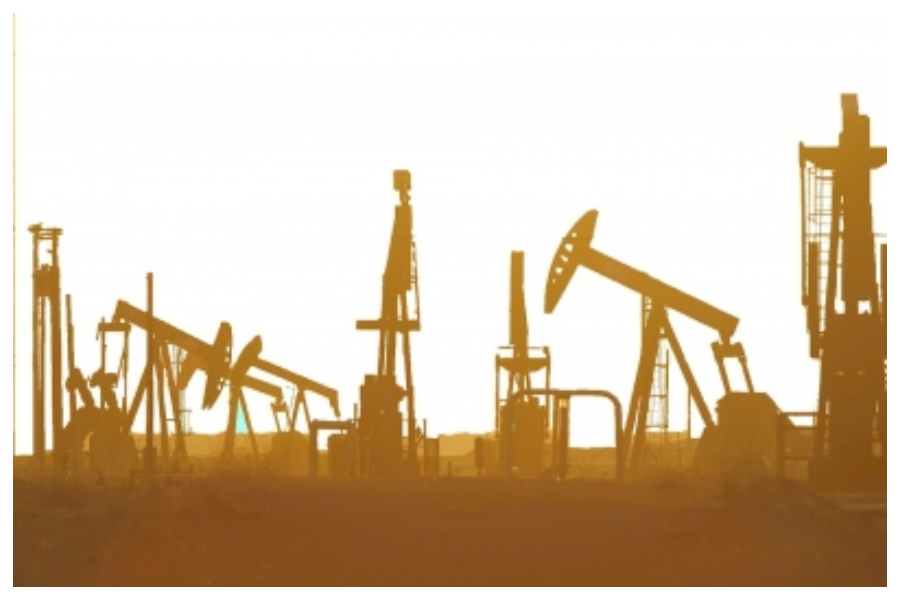
High crude oil prices led India’s OMCs to hike aviation turbine fuel (ATF) price on Friday.
Accordingly, in the national capital, the price of jet fuel was raised to Rs 1,12,924.83 per kilolitre (kl) from Rs 1,10,666.29 per kl.
In the other metro cities of Kolkata, Mumbai and Chennai, the price was increased to Rs 1,17,353.71, Rs 1,11,690.61 and Rs 1,16,583.71 per kiloliter, respectively.
“ATF prices have increased by around 50 per cent since the start of the year, major reason being the increase in crude prices led by the the Russia-Ukraine tensions,” said Bhanu Patni, Senior Analyst, India Ratings and Research.
“The jet fuel spreads have also increased due to the global demand pickup.”
Notably, the hike is expected to impact air fares as well as airlines’ financial position that are under stress.
“With ATF becoming costlier, flight prices have doubled across some popular routes in the past few weeks,” said Aloke Bajpai, Group CEO & Co-founder, ixigo.
“Travellers will need to book in advance for their upcoming trips if they want to get the best possible prices. Hopefully the high demand for summer travel that the industry is witnessing will help offset fuel costs.”
In India, OMCs revise jet fuel prices on a fortnightly basis.
At present, fuel-based expenses account for over 35 per cent of the overall operating cost of an airline.
India presently has some of the world’s highest rates of taxation on he ATF, which massively drives up the fuel cost component.
The industry has been urging the Centre to include the fuel type in the ambit of GST, similar to the status given to ‘Bunker Diesel’ which is used in the shipping sector.


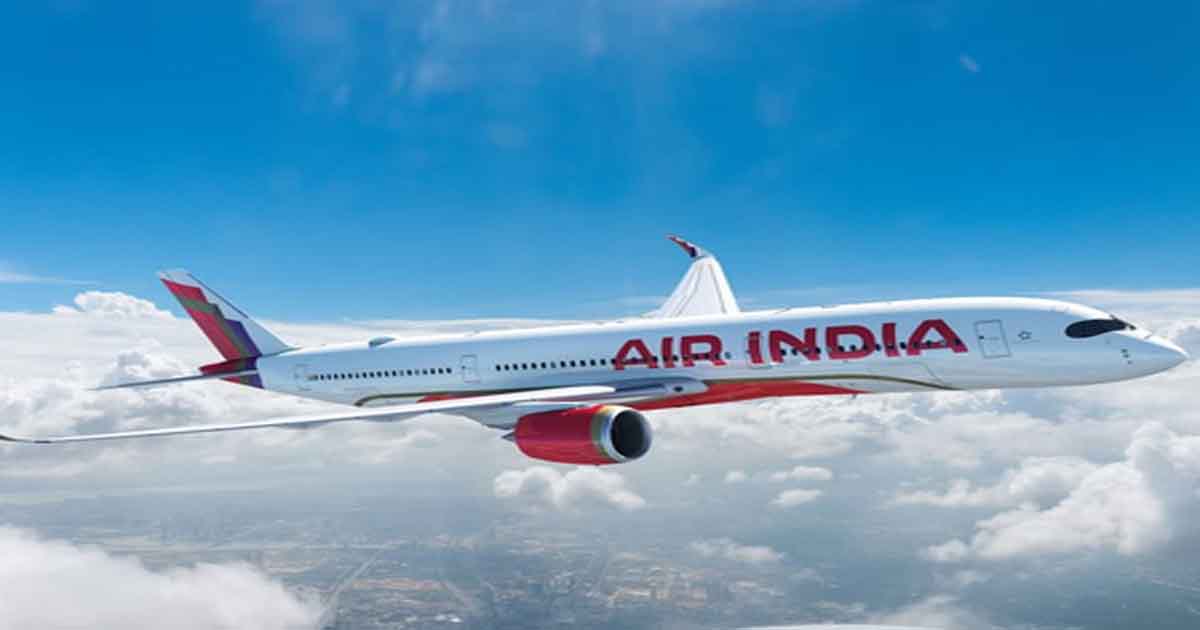
A passenger was apprehended and handed over to the airport police after allegedly being linked to a hoax hijack threat targeting an Air India flight from Kolkata to Mumbai, officials said on Thursday.
According to the Airports Authority of India (AAI), the action followed an incident on Wednesday involving Air India flight AI 2772 after a handwritten threat note was found inside the aircraft’s lavatory shortly before its scheduled departure.
The note, which warned that the aircraft would be hijacked at 11.10 a.m., was discovered by a cabin crew member at around 10.37 a.m. The alert immediately triggered standard security protocols, prompting authorities to initiate a comprehensive security response.
As part of the precautionary measures, all 105 passengers on board were deboarded and the aircraft was moved to an isolation bay for detailed inspection and security checks. Multiple security agencies conducted mandatory screening procedures to ensure the safety of passengers and crew.
The flight, originally scheduled to depart at around 10.30 a.m., remained grounded for several hours while security personnel completed the required checks. After authorities found no credible threat, the warning was declared a hoax.
The aircraft was subsequently cleared for operations and departed for Mumbai at 5.38 p.m.
AAI said the passenger linked to the incident was later handed over to the Netaji Subhash Chandra Bose International Airport Police Station for further investigation. Authorities have launched a probe into the matter and are examining the circumstances surrounding the threat note.
Meanwhile, last month, an Air India flight from Frankfurt to Delhi made an emergency landing in Jaipur after reportedly transmitting Squawk 7500, the international code used to indicate a hijacking.
Reports claim that the alert was received by Ahmedabad Air Traffic Control (ATC), following which the aircraft landed safely in Jaipur. Further details about the circumstances that triggered the alert were not immediately available.
Squawk 7500 is an internationally recognised aviation transponder code that pilots use to discreetly alert air traffic control to a hijacking or unlawful interference with an aircraft.

Domestic equity benchmarks traded higher in early deals on Thursday after crude oil prices declined up to 1 per cent.
Sensex touched an intraday high of 82,057.39, up 0.38 per cent or 316 points in the morning trade. Nifty was up 0.34 per cent or 86 points at 25,342.
Earlier in the day, the headline indices had opened lower, tracking cautious sentiment across Asian markets.
Sector-wise, Nifty IT was the biggest drag, falling over 1 per cent. Nifty Auto and Nifty Healthcare also declined up to almost 1 per cent.
On the gainers’ side, Nifty PSU Bank rose 0.23 per cent, Nifty Media was up 0.2 per cent and Nifty Consumer Durables added 0.14 per cent.
According to market experts, the Nifty rally of 9.55 per cent in seven trading sessions so far in November is being led primarily by aggressive buying by foreign institutional investors (FIIs).
“The tug of war between FIIs and domestic institutional investors (DIIs) till November saw FIIs on the sell side and DIIs on the buy side,” they said.
Now the positions have been completely reversed, with FIIs turning aggressive buyers and DIIs turning consistent sellers. This FIIs vs DIIs position will set the market trend in the near term, the experts said.
However, FIIs have already invested Rs 65,735 crore in Indian equities so far in November.
“This trend is likely to continue and has the potential to reach an all-time high number. Impressive earnings growth as evidenced by good Q2 results and macro relief from lower crude prices will support the rally. DIIs may continue profit booking, putting brakes on the rally,” the experts said.
Apart from that, an important data point to watch on Thursday will be the October CPI inflation number.
In commodities, Brent crude, the international oil benchmark, traded more than 1 per cent or $1 lower at $91.51 per barrel. US West Texas Intermediate (WTI) crude also slipped nearly 1 per cent to $85.41 per barrel.
Asian markets traded mixed on Thursday as investors remained cautious amid fresh volatility in Nvidia, the chipmaker at the heart of this year’s AI-driven rally.
Overnight, US markets closed higher on Wednesday as concerns over heavy artificial intelligence spending eased.
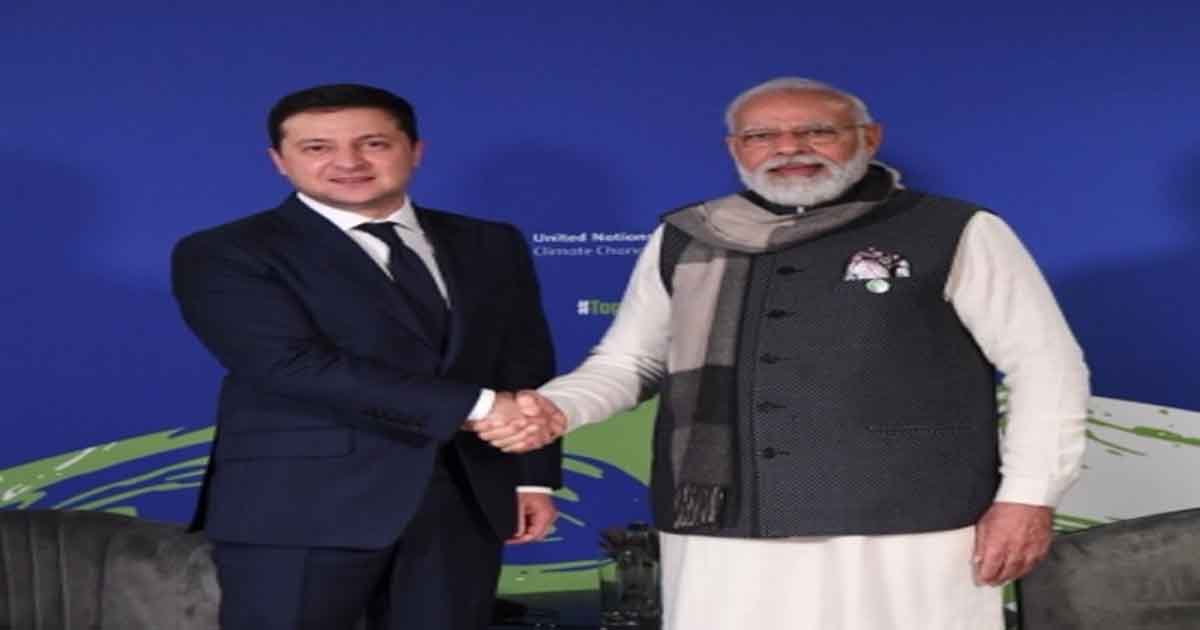
India is seen as a credible country that can help in the peace talks between Russia and Ukraine because it is one of few major powers with working relationships with both countries, according to a report in Al Jazeera.
It cited a foreign affairs expert as saying that India’s strategic autonomy puts it in a position to push for peace because New Delhi is “friends with both” sides.
India has also been even-handed. In July, it summoned Moscow’s charge d’affaires to condemn a Russian strike on a merchant vessel that killed 10 people, including four Indian crew members. Days later, it summoned Ukraine’s ambassador over an Indian seafarer killed in a Ukrainian drone strike on the MV Omorfi, the report observes.
It highlights that India is also an importer of goods from both Russia and Ukraine. In the 2025-26, India imported 1.46 million tonnes of sunflower oil from Russia and 443,000 tonnes from Ukraine, according to the Indian Solvent Extractors’ Association (SEA), alongside large volumes of Russian crude.
The article cites Maximilian Hess, a fellow at the Foreign Policy Research Institute, as saying that Zelenskyy approached India “because they have leverage over Moscow, and they are still one of the few major buyers of its oil.”
He added that a large amount of Russian money sits in the Indian financial system, which Moscow wants to keep access to.
Before Russia’s full-scale invasion in 2022, about a third of the world’s grain exports passed through the Black Sea, with Ukraine supplying a tenth of global wheat exports and 15 percent of maize. Disruption hits food-importing countries hardest, particularly in Africa and parts of Asia, the report states.
Indian officials point out that India as a leading voice of the Global South is keen that food exports to these developing nations resume to prevent adequate supplies and controlling rising inflation.
Both Ukrainian President Volodymyr Zelensky and Prime Minister Narendra Modi have discussed the issue of opening the food corridor over a phone call.
“India is ready to mediate in establishing food corridors, and we are counting on these efforts to continue,” Zelenskyy posted on X after call. The leaders discussed Russia’s blocking of grain exports in the Black Sea, he said.
PM Modi said India was ready to contribute “in every possible way” towards a peaceful resolution of the Russia-Ukraine conflict.
External Affairs Minister S. Jaishankar, during a visit to Kyiv in September, spoke of a potential pause on strikes against Black Sea shipping and energy infrastructure. On October 4, he said India was talking to both Russia and Ukraine about shipping safety, grain and energy exports and “non-attack possibilities”.
Ukrainian Foreign Minister Andrii Sybiha earlier called India’s proposal “the broadest”, because it covers both the Black Sea and energy infrastructure. The US plan offers only a halt to strikes on energy facilities.

Bangur Nagar: Drugs worth ₹21 crore seized, two accused arrested.

Iran’s IRGC says two ‘violating’ oil tankers disabled by blasts in Hormuz Strait

Aaditya Thackeray slams Centre over pollution crisis; demands PM-led ‘council of climate change’

Aadinath Kothare recalls school days with Ranbir Kapoor, reveals interesting Kapoor family connection

Elections for 23 ULBs in Andhra Pradesh to be held on November 26

Rahul, Cong ecosystem want to force regime change: BJP after Neha Bora praises B’desh Gen-Z protest

BJP pays tribute to ex-President Abdul Kalam, recalls his enduring influence on generations of India’s youth

Attack on democratic rights: INDIA Bloc leaders on detentions of anti-ECI protestors

Congress trying to protect 3 crore Bangladeshi infiltrators in voter list: HM Shah

Online betting: ED conducts searches at 20 premises in Mumbai, Pune, Hyderabad
-

 Crime4 years ago
Class 10 student jumps to death in Jaipur
-

 Maharashtra2 years ago
Mumbai Local Train Update: Central Railway’s New Timetable Comes Into Effect; Check Full List Of Revised Timings & Stations
-

 Maharashtra2 years ago
Mumbai To Go Toll-Free Tonight! Maharashtra Govt Announces Complete Toll Waiver For Light Motor Vehicles At All 5 Entry Points Of City
-

 Maharashtra2 years ago
False photo of Imtiaz Jaleel’s rally, exposing the fooling conspiracy
-

 National News2 years ago
Ministry of Railways rolls out Special Drive 4.0 with focus on digitisation, cleanliness, inclusiveness and grievance redressal
-

 Maharashtra2 years ago
Maharashtra Elections 2024: Mumbai Metro & BEST Services Extended Till Midnight On Voting Day
-

 National News2 years ago
J&K: 4 Jawans Killed, 28 Injured After Bus Carrying BSF Personnel For Poll Duty Falls Into Gorge In Budgam; Terrifying Visuals Surface
-

 Crime2 years ago
Baba Siddique Murder: Mumbai Police Unable To Get Lawrence Bishnoi Custody Due To Home Ministry Order, Says Report