
Crime
ISI shifts focus from Dawood operations to protecting him near Karachi port


New Delhi, Sep 25: Pakistan’s Inter-Services Intelligence (ISI) has reportedly changed its approach towards fugitive underworld figure Dawood Ibrahim, with greater emphasis now being placed on keeping him secure and moving him to a location near Karachi port.
Intelligence officials said the move is aimed at protecting the narcotics network linked to him while reducing the risk of international scrutiny falling on Islamabad.
He is considered a key figure in the syndicate that has been operating a narcotics smuggling network in India for several years.
For the Pakistani spy agency, which has supported Dawood Ibrahim over the years, the current situation is proving increasingly difficult. The agency needs funds to sustain terror groups such as the Lashkar-e-Taiba (LeT) and Jaish-e-Mohammed (JeM).
Intelligence inputs suggest that this has increased the pressure on the network to expand the narcotics trade substantially.
An official said the ISI would have wanted Dawood Ibrahim to use his network to significantly expand narcotics smuggling operations. “However, the focus now is more on creating escape routes, taking care of his health and also ensuring his safety,” the official said.
While Dawood is reportedly suffering from several health problems, he is alive and continues to remain in Karachi. Following Operation Sindoor in May last year, the ISI is believed to have stepped up his security and moved him between different locations to avoid detection.
“He is currently living near a port in Karachi, and this location was chosen so that he could make a quick escape in case of an Indian operation that would look to target him,” the official added.
An Intelligence Bureau official said that the reason he is being kept at a location from where he could make a quick escape is that if he is killed in an operation, then it would become amply clear that Pakistan has been housing him.
Islamabad has over the years vehemently denied his presence in Pakistan.
While Operation Sindoor inflicted significant damage on Pakistan’s terror infrastructure, it also altered the operating environment for the Dawood syndicate. Dawood, who had largely remained in the security of his Karachi residence, was forced to change his movements and operating pattern following the operation.
“Today when it comes to Dawood, the ISI is focusing more on ensuring his protection rather than using him for operations,” the IB official added.
The Narendra Modi government’s intensified crackdown on drugs has also disrupted the ISI’s plans to a considerable extent. The arrest of Dawood’s close aide, Salim Dola, has unsettled the syndicate’s international operations and disrupted established supply chains. In India, enforcement agencies are continuing their relentless pursuit of narcotics networks and cartels.
Another official said that in such a situation, Dawood becomes extremely handy for the ISI. There are the likes of Anees Ibrahim, Chhota Shakeel and Haji Salim to run the show. But Dawood is a cult figure for the syndicate, and with him not to be seen, many of the operatives have developed low morale, the official said.
The ISI would look for ways to ramp up narcotics smuggling in India. There is a major push that is being made through Punjab. However, the ISI would want the trade to thrive in all parts of the country, as raising funds from only Punjab operations is not sufficient to nurture the various terror groups in Pakistan, officials say.
In addition to Dawood’s poor health and security issues, there is also a succession battle within the syndicate. Shakeel feels he is far more useful and has contributed much more than the rest for the syndicate.
However, the family members are rooting for Dawood’s brother Anees Ibrahim to take charge, officials also point out.
Another official said that the ISI has multiple problems when it comes to the Dawood syndicate.
It cannot afford so many problems, especially with this syndicate at a time when it wants to raise funds in a big way through narcotics smuggling.
On the other hand, concealing his location and not letting the world know that he is in Pakistan is also important for the ISI. The country is also under close scrutiny by the Financial Action Task Force (FATF), and hence it becomes important to secure and cover Dawood Ibrahim, who is a key figure in terror funding, counterfeiting, and money laundering.
A weakened D-Company is good news for the Indian security agencies. Such issues would help the investigating agencies crack cases better and further weaken the Dawood network within India.
If the agencies manage to do this, a considerable amount of the narcotics smuggling problem in the country would be solved, an official said.


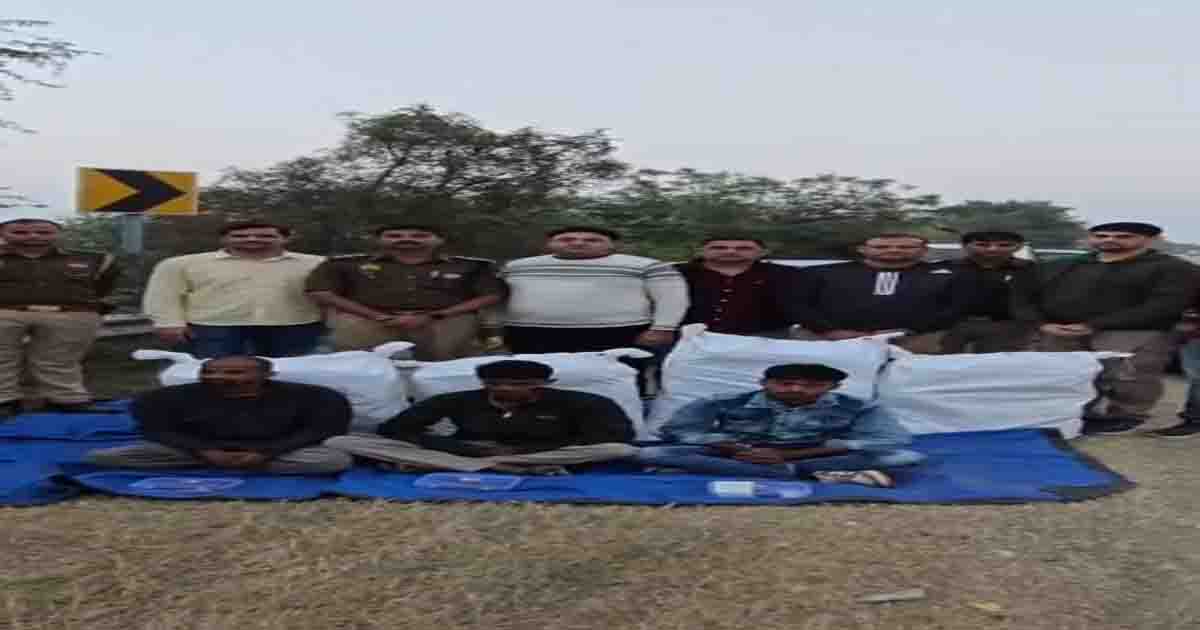
The Anti-Narcotics Task Force (ANTF), Agra Zone, in a joint operation with the Mant police, has seized 134 kg of cannabis worth approximately Rs 70 lakh from two cars near the Mant toll plaza on the Yamuna Expressway and arrested three alleged drug traffickers, officials said on Tuesday.
Acting on a specific tip-off, the joint team intercepted the two vehicles and conducted a search near the toll plaza on Sunday, November 23.
The police recovered 67 packets, each weighing around two kg, containing a total of 134 kg of cannabis from cars with number plates (DL 3 CBW 3807) and (MH 47 W 1971).
The arrested accused have been identified as Anil Kumar alias Chhote, a native of Naugawan village in the Bidhuna area of Uttar Pradesh’s Auraiya district, who was currently residing in Delhi’s Kakrola area near Dwarka Sector 17, and Sachin Devidas Tayawade and Somesh Sahebrao Manekar, both residents of Jamti Ganeshpur in Maharashtra’s Amravati district.
During interrogation, the accused allegedly told investigators that they had procured the consignment from a person identified as ‘Anna’ in Rajahmundry and were transporting it to Delhi.
According to the police, the accused had devised a plan to evade security checks during transportation. Somesh was allegedly driving a 5-seater premium hatchback ahead of a second car to act as a pilot, checking the route and informing the other vehicle about police movement and road conditions.
Anil was transporting the cannabis in the second car, and Somesh had allegedly arranged for Sachin to accompany Anil for security and surveillance, promising him Rs 25,000 and providing him with two mobile phones.
The two vehicles were intercepted when they came together near the Mant toll plaza, following which all three occupants were apprehended, police said.
Apart from the cannabis and the two cars, the police seized four mobile phones, including three Androids and a keypad phone, among other devices. Two debit cards belonging to two separate banks, along with Rs 3,200 in cash, were also recovered.
The police are now investigating the alleged supply chain, and efforts are underway to identify and trace ‘Anna’ in Rajahmundry as well as the network that was supposed to receive the consignment in Delhi.
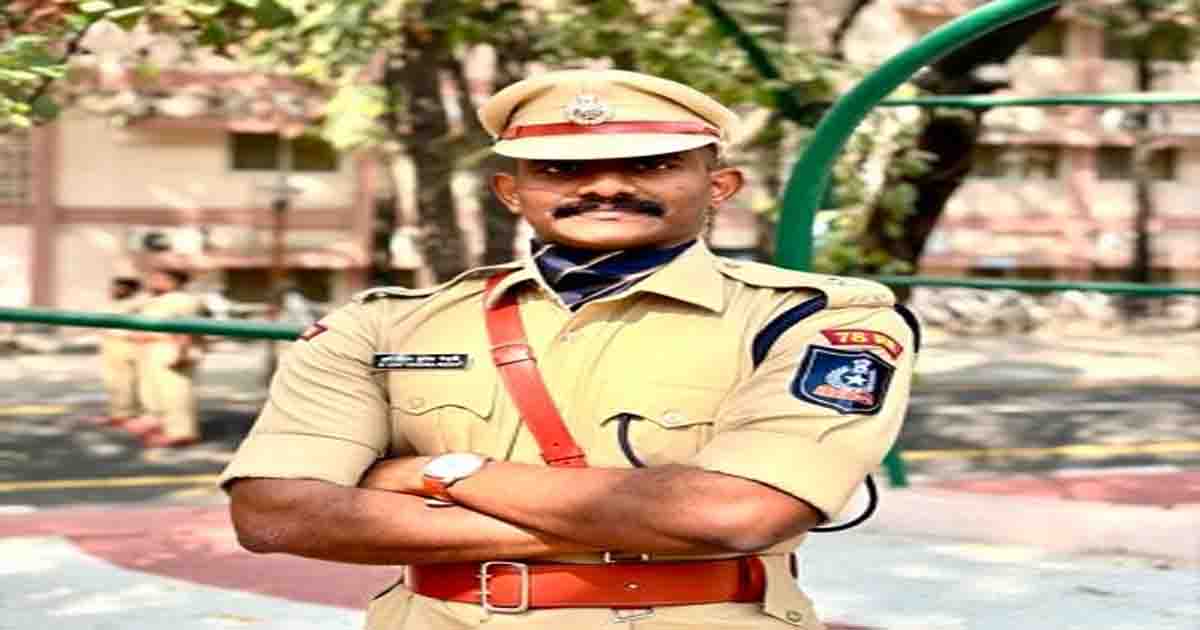
In a new twist to the sexual assault case against trainee IPS officer Uday Krishna Reddy, Hyderabad police named his brother Pranay Krishna Reddy as the second accused.
Uday Krishna Reddy was arrested in a case involving allegations of sexual assault and harassment of a fellow trainee at the Sardar Vallabhbhai Patel National Police Academy (SVPNPA).
Police added Pranay as accused number 2 after investigations revealed that he allegedly tampered with the evidence in the case.
Pranay Krishna Reddy had allegedly concealed his brother’s mobile phone and tampered with the evidence.
Uday Krishna Reddy was arrested on July 28, 2026, following a complaint by a fellow probationary officer at SVPNPA.
A 30-year-old married trainee IPS officer from Karnataka, who alleged that Uday Krishna Reddy repeatedly sexually harassed and assaulted her.
Police initially registered a case under Sections 74, 75, 77, 78, 79, 127(2), 115(2) and 351(2) of the Bharatiya Nyaya Sanhita (BNS), along with Sections 66E and 67A of the Information Technology Act. Following the recording of the woman’s statement, additional charges under Sections 64(1) read with 63(b)(iii) and 109 of the BNS were added.
The case was initially registered at the Attapur police station before being transferred to the Women’s Safety Wing’s She Teams for investigation.
According to police, Uday came into contact with the woman through Instagram in mid-2025 after she responded to a post about his journey towards joining the Indian Police Service. They later exchanged contact details and entered into a relationship.
Police said the relationship was marked by frequent arguments, possessiveness and volatile behaviour. Uday allegedly threatened suicide, displayed weapons, insulted the woman and harassed her by damaging her laptop, creating fake social media accounts after being blocked, threatening to release private chats, and contacting her family and colleagues without her consent.
The woman later ended the relationship and married another person. Police said Uday continued to harass her even after the marriage, following which she approached the police.
After an internal inquiry, the National Police Academy placed Uday Krishna Reddy under suspension.
A city court last month granted the trainee IPS officer conditional bail.
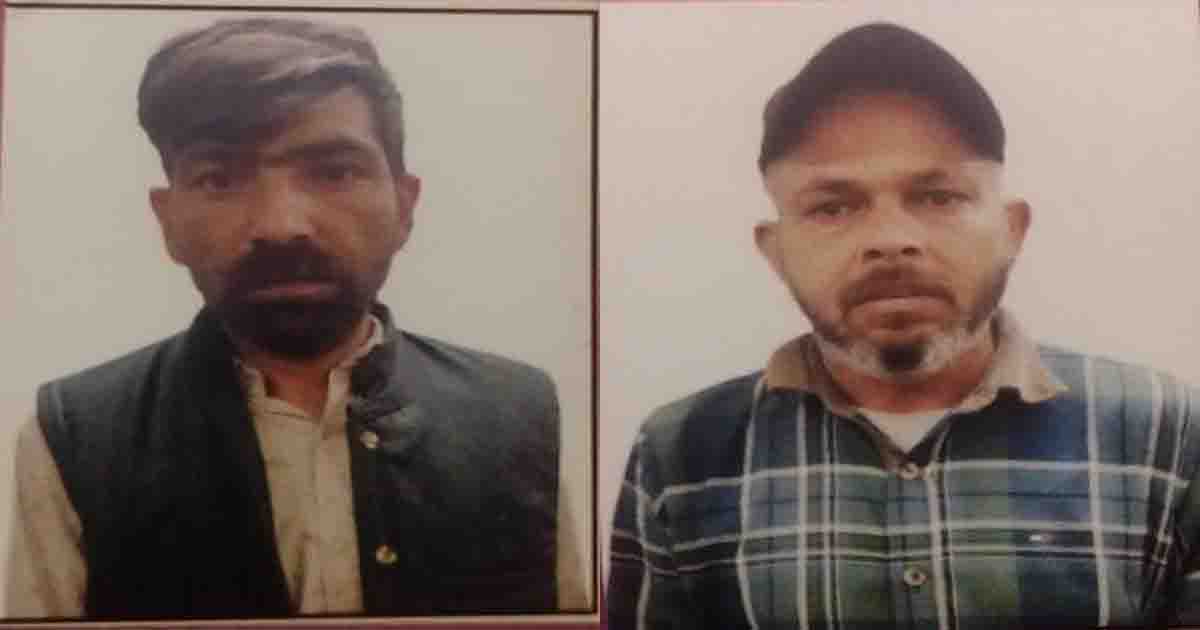
The Narcotics Control Bureau (NCB), Chandigarh Zonal Unit, has secured the conviction of two interstate drug traffickers, with a Special Court in Ludhiana sentencing them to 10 years of rigorous imprisonment each in a case involving the seizure of 3.8 kg of charas.
The convicted persons have been identified as Madan Lal, a resident of Kathua district in Jammu and Kashmir, and Vipan Sood, a resident of Ludhiana in Punjab.
A Special Court, on November 20, convicted both accused under the Narcotic Drugs and Psychotropic Substances (NDPS) Act, 1985. The court also imposed a fine of Rs 1 lakh on each of them.
According to the NCB, on June 29, 2019, acting on specific intelligence, a team intercepted the two accused at the Jalandhar Bypass overbridge in Ludhiana while Madan Lal was allegedly handing over a backpack to Vipan Sood.
During the search, the backpack was found to contain 3.8 kg of charas, which had been brought from Jammu and Kashmir.
Samples drawn in the presence of a Judicial Magistrate were subsequently confirmed as charas by the Central Revenues Control Laboratory (CRCL), New Delhi. Call detail records also established prior communication between the two accused.
During the trial, the prosecution examined nine witnesses. The court held that the recovery of the contraband and the attempted handover had been established. It also observed that the call records supported the prosecution’s claim of a prearranged transaction.
The court rejected the defence arguments concerning Section 50 of the NDPS Act and the resin content of the seized substance. Observing that offences involving commercial quantities required strict deterrence, it declined to grant any leniency.
The NCB said the conviction was based entirely on independent scientific and electronic evidence, without relying on statements made by the accused under Section 67 of the NDPS Act.
Earlier, on November 21, the NCB’s Jammu Zonal Unit, in coordination with its Delhi Zonal Unit, had busted an interstate pharmaceutical drug trafficking network allegedly supplying drugs from Delhi to the Kashmir Valley. Four people were arrested, and more than five lakh tablets, capsules and bottles of pharmaceutical preparations were seized.
The NCB urged citizens to report drug trafficking through the MANAS National Narcotics Helpline at the toll-free number 1933, assuring that the identity of informants would remain confidential.

Bihar to Uttar Pradesh: Seat-sharing battles reveal Congress’ shrinking leverage, dependence on others in Hindi heartland

UP: 134 kg of cannabis worth Rs 70 lakh seized on Yamuna Expressway; three arrested

Sharad Pawar unlikely to join NDA, may offer issue-based outside support: Chhagan Bhujbal

Path cleared for Mahim Causeway expansion as 10 structures obstructing the project are demolished.

NDA united to realise ‘Viksit Punjab’ resolve, make state drug-free: BJP chief Nitin Nabin

Congress trying to protect 3 crore Bangladeshi infiltrators in voter list: HM Shah

Red Fort car blast probe exposes blueprint for spread of terror modules across India

Trump flags Iran targets as talks continue

‘Conspiracy, not accident’: NCP on Ajit Pawar death

BJP, Shiv Sena slam Mallikarjun Kharge for terming Diwali ‘Khushiyon ka Eid’
-

 Crime4 years ago
Class 10 student jumps to death in Jaipur
-

 Maharashtra2 years ago
Mumbai Local Train Update: Central Railway’s New Timetable Comes Into Effect; Check Full List Of Revised Timings & Stations
-

 Maharashtra2 years ago
Mumbai To Go Toll-Free Tonight! Maharashtra Govt Announces Complete Toll Waiver For Light Motor Vehicles At All 5 Entry Points Of City
-

 Maharashtra2 years ago
False photo of Imtiaz Jaleel’s rally, exposing the fooling conspiracy
-

 National News2 years ago
Ministry of Railways rolls out Special Drive 4.0 with focus on digitisation, cleanliness, inclusiveness and grievance redressal
-

 Maharashtra2 years ago
Maharashtra Elections 2024: Mumbai Metro & BEST Services Extended Till Midnight On Voting Day
-

 National News2 years ago
J&K: 4 Jawans Killed, 28 Injured After Bus Carrying BSF Personnel For Poll Duty Falls Into Gorge In Budgam; Terrifying Visuals Surface
-

 Crime2 years ago
Baba Siddique Murder: Mumbai Police Unable To Get Lawrence Bishnoi Custody Due To Home Ministry Order, Says Report