
International News
Iran rejects US ceasefire offer, issues 10-point plan calling for permanent end to war

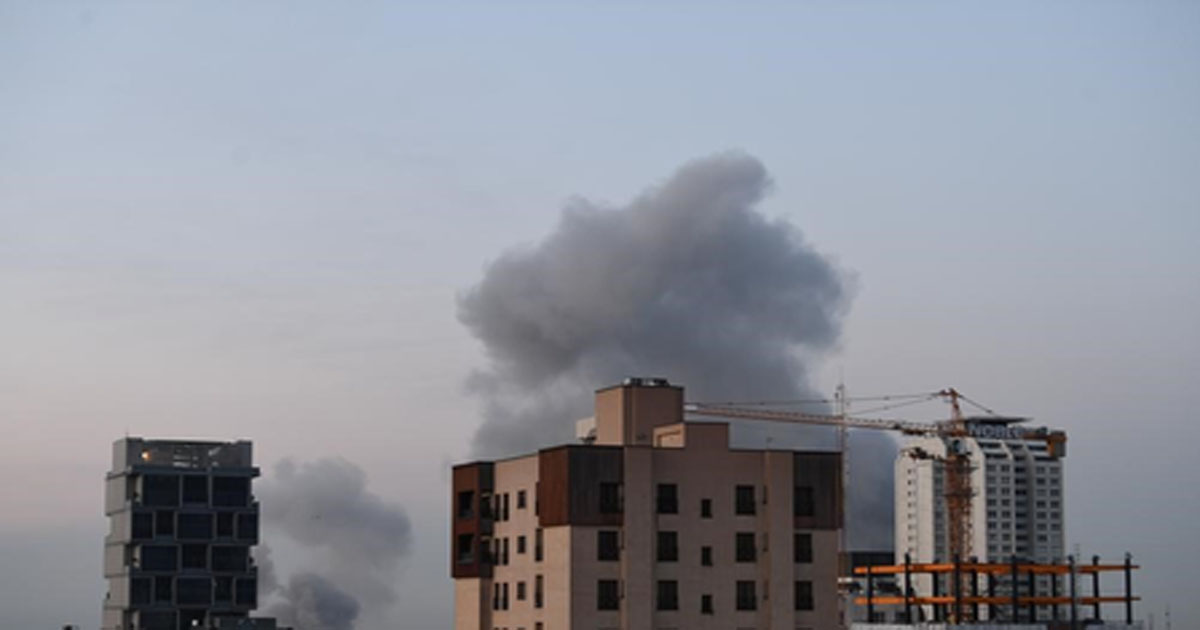
Tehran, April 7: Iran has rejected a US-proposed 15-point peace plan, calling instead for a permanent end to the conflict, the official news agency IRNA reported.
Tehran delivered its response in a 10-point document, citing past experiences as the reason it would not accept a ceasefire, Xinhua news agency reported.
The response outlines Iran’s demands, including ending regional conflicts, establishing safe passage through the Strait of Hormuz, reconstructing war-affected areas, and lifting international sanctions.
The IRNA claimed the text was presented following recent developments in Iran’s western and central regions and the unsuccessful outcome of a US heliborne operation, with US President Donald Trump extending a previously set deadline again and adjusting earlier threats.
In a press conference on Monday, Trump called Iran’s 10-point response a “significant step” but said it was “not good enough.”
Also on Monday, Iran’s Foreign Ministry spokesperson Esmaeil Baghaei said a ceasefire would only give opponents time to regroup and commit further crimes, and “no sane” person would accept it.
In late March, US media reported that Washington sent a 15-point plan to Iran through Pakistan to try to end the war. Iran later rejected the plan, calling it “excessive and disconnected from the realities on the battlefield.”
The Islamic Republic set several preconditions for peace. These include ending US and Israeli aggression, creating mechanisms to prevent future attacks, compensating for war damage, stopping fighting across all fronts in West Asia, and recognizing Iran’s sovereignty over the Strait of Hormuz.
On February 28, Israel and the United States launched joint attacks on Tehran and other Iranian cities, killing Supreme Leader Ali Khamenei, senior military commanders, and civilians. Iran retaliated with missile and drone strikes targeting Israeli and US assets in the Middle East.

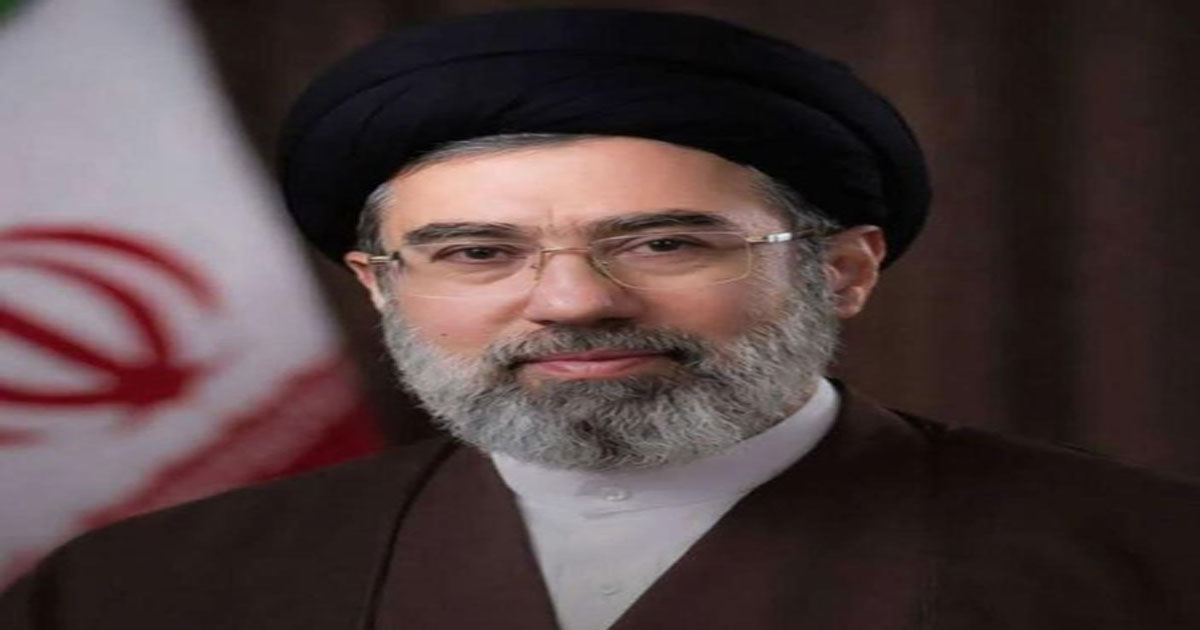
Tehran, April 7: Iran’s Supreme Leader Mojtaba Khamenei extended condolences for a senior general of the Islamic Revolution Guard Corps (IRGC), saying that “assassinations and crimes” against Iranian leadership will not halt the country’s course.
In a written statement, Khamenei praised Majid Khademi, head of the IRGC’s Intelligence Protection Organization, for decades of “silent efforts in the security, intelligence, and defence fields” of Iran, Xinhua news agency reported.
He also accused Israel and the United States of turning to “terrorism and assassination” after “successive defeats.” Khademi was killed in Tehran on Monday in an airstrike claimed by Israel.
Khamenei extended condolences to Khademi’s family and comrades, as well as the other commanders of the IRGC’s Intelligence Organization.
Khademi was appointed as the head of the intelligence organization in June last year following the 12-day war between Iran and Israel, in which Mohammad Kazemi, the organization’s former chief, had been killed.
Before his appointment, Khademi served as the head of the IRGC’s Intelligence Protection Organization.
Meanwhile, Iran’s Foreign Minister Seyed Abbas Araghchi strongly condemned a US and Israeli attack on the Sharif University of Technology in the capital Tehran, which severely damaged the building of its information technology center and a gas substation near the academic center’s mosque.
Iran’s army said Sunday it has targeted petrochemical industries and petroleum products storage facilities in southern Israel, as well as US equipment depots, satellite communication units and troops in a base in Kuwait.
On February 28, Israel and the United States launched joint attacks on Tehran and several other Iranian cities, killing Iran’s Supreme Leader Ali Khamenei, along with senior military commanders and civilians. Iran responded by launching waves of missile and drone strikes targeting Israel and US bases and assets in the Middle East.
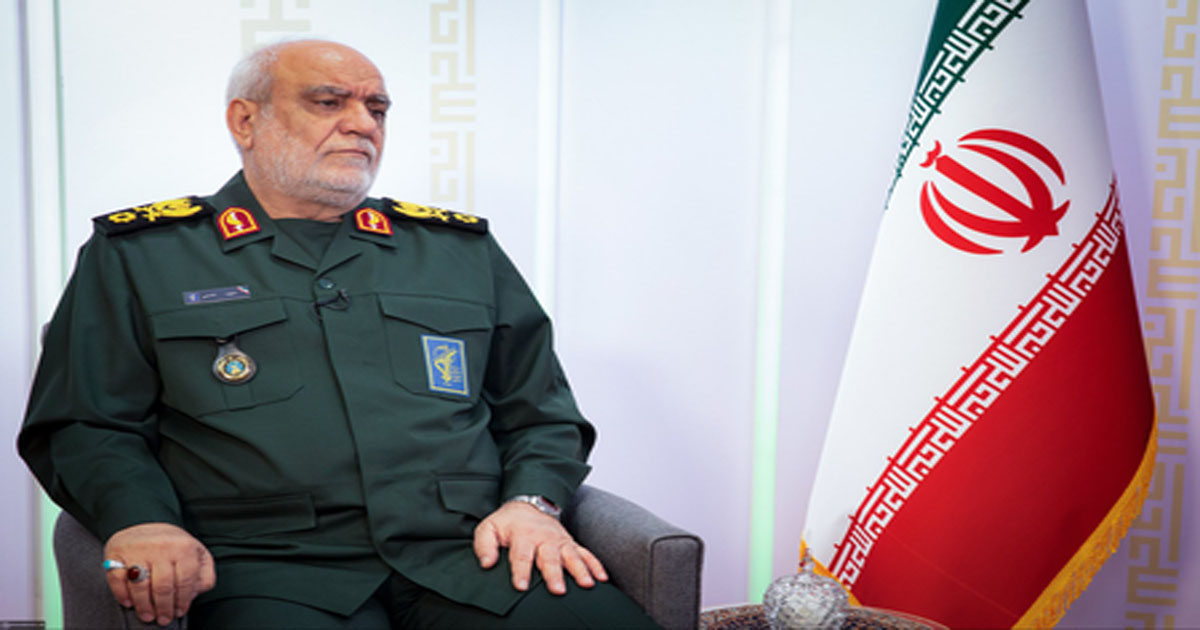
Tel Aviv, April 6: The Israel Defence Forces (IDF) on Monday claimed to have killed Majid Khatem-Hosseini Khadami, Chairman of Iran’s Revolutionary Guards’ (IRGC) intelligence organisation, in an air strike in Tehran on Sunday night.
“Eliminated: Majid Khademi, the Head of Intelligence of the IRGC. Khadami was one of the most important commanders of the Revolutionary Guards and had accumulated military and security experience over the years,” read a statement issued by the IDF.
It mentioned that the Israeli Air Force, under precise intelligence guidance from the Intelligence Directorate, attacked during the night in Tehran and killed Khadami.
According to the IDF, Khadmi was appointed to his position after the assassination of Muhammad Khatami in Operation ‘Am Kalavi’. As part of his role, he worked to gather intelligence to form an intelligence picture for the regime’s senior echelons during Operation ‘Roar of the Harrier’.
“Khademi worked to advance terrorist attacks worldwide, and was responsible for monitoring Iranian civilians as part of the regime’s suppression of internal protests. He was a key figure in the campaign, the intelligence he collected was used to promote and execute terrorist operations,” the IDF stated.
“Alongside this, Khadami worked to promote terrorist acts against the State of Israel and against Jews around the world and took part in attempts to harm American targets, and was even responsible for monitoring Iranian citizens as part of the suppression of internal protests in Iran,” it added.
The Israeli defence ministry mentioned that Khadami’s “elimination” constitutes another serious blow to the command and control systems of the Revolutionary Guards, and to its ability to “conduct terrorist activity” against the State of Israel and countries around the world.
On Sunday, the IDF announced that it had killed Mohammad Reza Ashrafi Kahi, the Head of Commerce at the IRGC’s Oil Headquarters in Tehran.
“Ashrafi managed the commercial operations of the Oil Headquarters, estimated at billions of dollars annually, and advanced the development of the IRGC’s military capabilities, as well as those of the Houthis, Hezbollah & Hamas,” the IDF posted on X.
International News
West Asia conflict Trump’s ‘personal war’, says Iran Supreme Leader’s representative

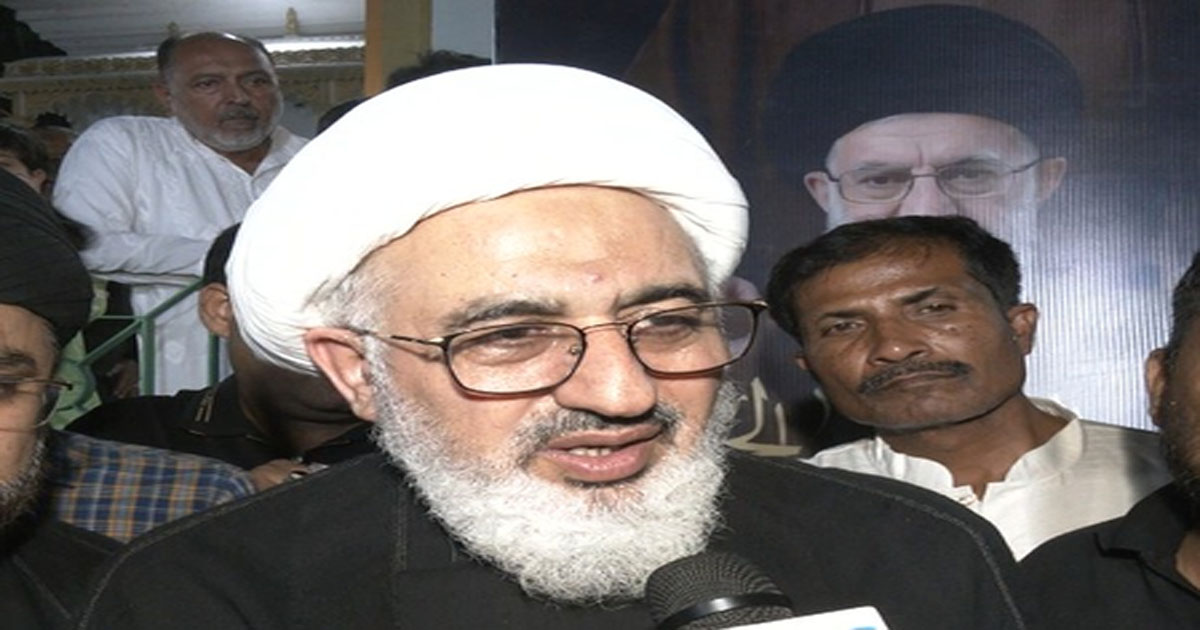
Patna, April 6: Abdulmajid Hakim Elahi, Representative of Iran’s Supreme Leader to India, has said that the Strait of Hormuz has historically remained under Iranian control for thousands of years and that disruptions began only after the recent conflict involving the United States and Israel, which he described as a personal war driven by President Donald Trump against Iran.
The US and Israel carried out joint strikes on February 28, resulting in the death of Ayatollah Ali Khamenei. In response, Iran launched retaliatory strikes targeting Israel, as well as US bases in neighbouring Gulf countries, leading to a broader regional escalation that has led to the Strait of Hormuz crisis and disrupted significant oil and energy supplies.
Speaking to media, Abdulmajid Hakim Elahi said, “This war is President Trump against Iran. Everyone knows that, because this war is not in the interest of Americans. This was his personal war, and now Americans are handling it. And they want out, but they don’t know how they can get out of it.”
On the question of reopening the Strait of Hormuz, he emphasised Iran’s longstanding control over the strategic waterway and blamed the ongoing crisis on the conflict.
“The Strait of Hormuz has been there for thousands of years; it’s under control and dominated by Iran. Iran will continue to do the same now. There wasn’t any crisis or problem before this war. But now they (the US and Israel) have created this war, and they have created a lot of crises and problems through the Strait of Hormuz. We hope that it will finish very soon,” he said.
Elahi also underlined the historical ties between Iran and India, describing the relationship as deeply rooted and longstanding.
“We have a very tight relationship and friendship with India, which dates back over 5000 years,” he said.
Recalling the global response following Khamenei’s death, he said the Iranian leader was respected across communities and faiths.
“Ayatollah Ali Khamenei was a spiritual leader not only for Muslims but also a religious figure and a voice for the voiceless. He is not just for Shia people but also those from other communities, including many Hindus and Christians, who also respected and admired him. When the news of his martyrdom spread, everyone came out in respect and paid their respects and shed their tears, mourning his death,” he added.

Transparency with quality in Mumbai Municipal Corporation’s road cement concreting project, stay informed about the current status of road work in the area: Municipal Commissioner

Key findings from the investigation into Ashok Kharat… Action to be taken against those who made it viral on social media; 2 FIRs registered, 6 arrested: SIT.

Mumbai: Anti-Narcotics Cell cracks down on drug dealers, seizes drugs worth over Rs 10 crore, arrests 10 accused

Mumbai: Massive Fire Engulfs Railway Coach At Matunga Carshed, Welding Sparks Suspected

Employees’ body to meet on April 13 as Central govt staff keen on 8th Pay Commission decisions

Married Mumbai Woman Mocked In Andheri Society Over ‘Lift Kissing’ CCTV Video, Files Police Complaint

LPG Crisis In Maharashtra: Cyber Crime On Rise Amid Shortage, 2 Women Lose ₹4 Lakh In ‘Gas Update’ Online Scam In Kalyan-Dombivli

Dhurandhar 2 Box Office Collection Day 1: Ranveer Singh Starrer Takes An Exceptional Opening; Crosses ₹100 Crore Mark

Thane Horror: Man Slashed With Chopper In Naupada For Refusing ‘Vargani’, Caught On Camera

Mumbai Police Busts Fake Apple Accessories Racket In Ghatkopar, ₹16.33 Lakh Goods Seized; Six Booked
-

 Crime4 years ago
Class 10 student jumps to death in Jaipur
-

 Maharashtra2 years ago
Mumbai Local Train Update: Central Railway’s New Timetable Comes Into Effect; Check Full List Of Revised Timings & Stations
-

 Maharashtra1 year ago
Mumbai To Go Toll-Free Tonight! Maharashtra Govt Announces Complete Toll Waiver For Light Motor Vehicles At All 5 Entry Points Of City
-

 Maharashtra2 years ago
False photo of Imtiaz Jaleel’s rally, exposing the fooling conspiracy
-

 National News1 year ago
Ministry of Railways rolls out Special Drive 4.0 with focus on digitisation, cleanliness, inclusiveness and grievance redressal
-

 Maharashtra1 year ago
Maharashtra Elections 2024: Mumbai Metro & BEST Services Extended Till Midnight On Voting Day
-

 National News2 years ago
J&K: 4 Jawans Killed, 28 Injured After Bus Carrying BSF Personnel For Poll Duty Falls Into Gorge In Budgam; Terrifying Visuals Surface
-

 Crime1 year ago
Baba Siddique Murder: Mumbai Police Unable To Get Lawrence Bishnoi Custody Due To Home Ministry Order, Says Report