
International News
Indonesia committed to boost global Islamic cooperation for harmony: Dy Speaker Soeparno

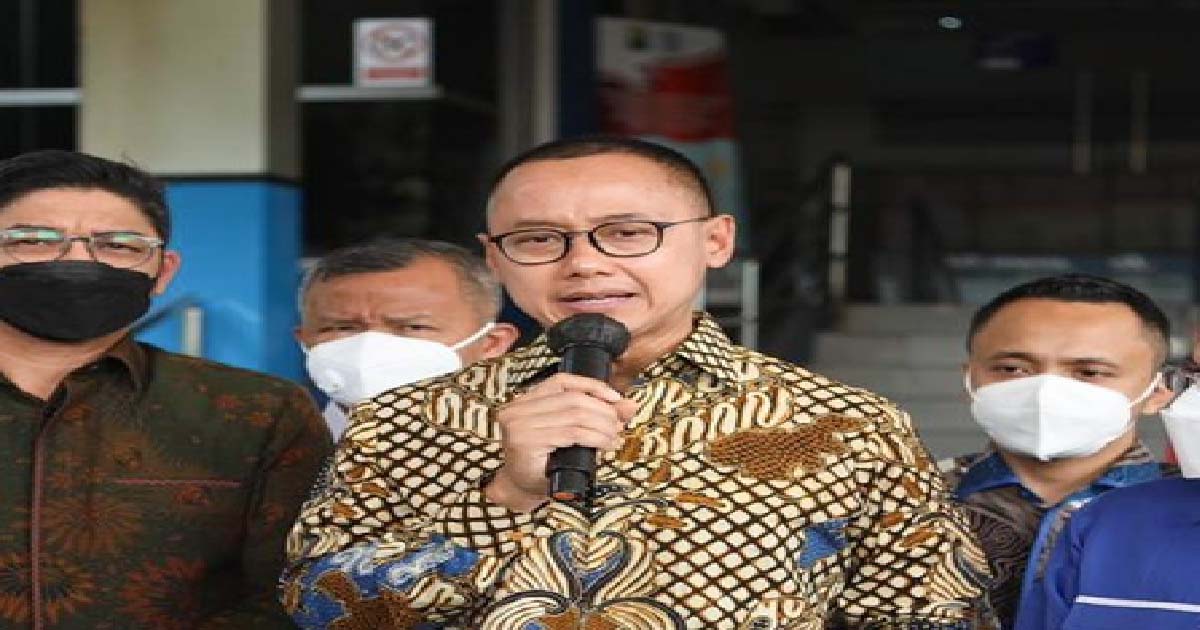
Jakarta, May 29: Indonesia’s People’s Consultative Assembly’s (MPR) Deputy Speaker and National Mandate Party (PAN) Vice Chairman, Eddy Soeparno, on Thursday, emphasised Indonesia’s commitment to strengthening global cooperation among Islamic countries to promote harmony with the wider international community.
His remarks came following an interaction between an Indian all-party parliamentary delegation, led by Janata Dal-United MP Sanjay Kumar Jha, and Indonesian scholars and researchers from leading think tanks and academic institutions.
Speaking to Media, Soeparno said: “We had a very constructive discussion with the Indian MPs. We talked about a range of topics, especially concerning the prevention and fight against terrorism. There was also a strong emphasis on deepening cooperation between India and Indonesia in tackling terrorist activities.”
He added that India had conveyed its expectation for Indonesia’s support within the Organisation of Islamic Cooperation (OIC) to raise concerns about preventing future terrorist attacks.
“Indonesia is committed to global peace, fostering cooperation, and promoting harmony among countries. We will do our best to enhance global cooperation among Islamic nations and help create harmony with the broader global community,” Soeparno affirmed.
Meanwhile, the Indian delegation highlighted India’s firm stance against terrorism and called for collaborative efforts to counter the threat. During the interaction, the delegation made it clear that India would no longer differentiate between terrorists and the countries that support or harbour them.
The all-party team conveyed India’s zero-tolerance policy towards terrorism and sought Indonesia’s support in jointly exploring effective strategies to combat the menace, thereby ensuring peace and regional stability.
Addressing the gathering, Jha expressed gratitude to the Indonesian government and President Prabowo Subianto for condemning the April 22 Pahalgam terror attack and for standing in solidarity with the people of India. He stressed that such acts of terror are unjustifiable and must be condemned universally.
“We are engaging with a prominent think tank and academia today, both of which play a crucial role in shaping counter-terrorism policies. The aim of this interaction is to convey India’s perspective and strategy to deal with terrorism, particularly the kind that originates from across the border in Pakistan.”
Highlighting India’s unwavering stance, Jha stated: “India will not accept any nuclear blackmail. Those who shelter and promote terrorists cannot hide behind a so-called nuclear umbrella. Any further terror attacks on Indian soil will be met with decisive military responses.”
He added that India, along with countries like Indonesia, firmly stands for zero tolerance toward terrorism.
“To implement this principle, India will no longer make any distinction between terrorist groups and the states that provide them safe haven,” he said.
The delegation also includes BJP MPs Aparajita Sarangi, Brij Lal, Hemang Joshi, and Pradan Baruah, Trinamool Congress MP Abhishek Banerjee, CPI-M Rajya Sabha member John Brittas, senior Congress leader Salman Khurshid and former Indian Ambassador to France Mohan Kumar.

International News
Iran rejects US ceasefire offer, issues 10-point plan calling for permanent end to war

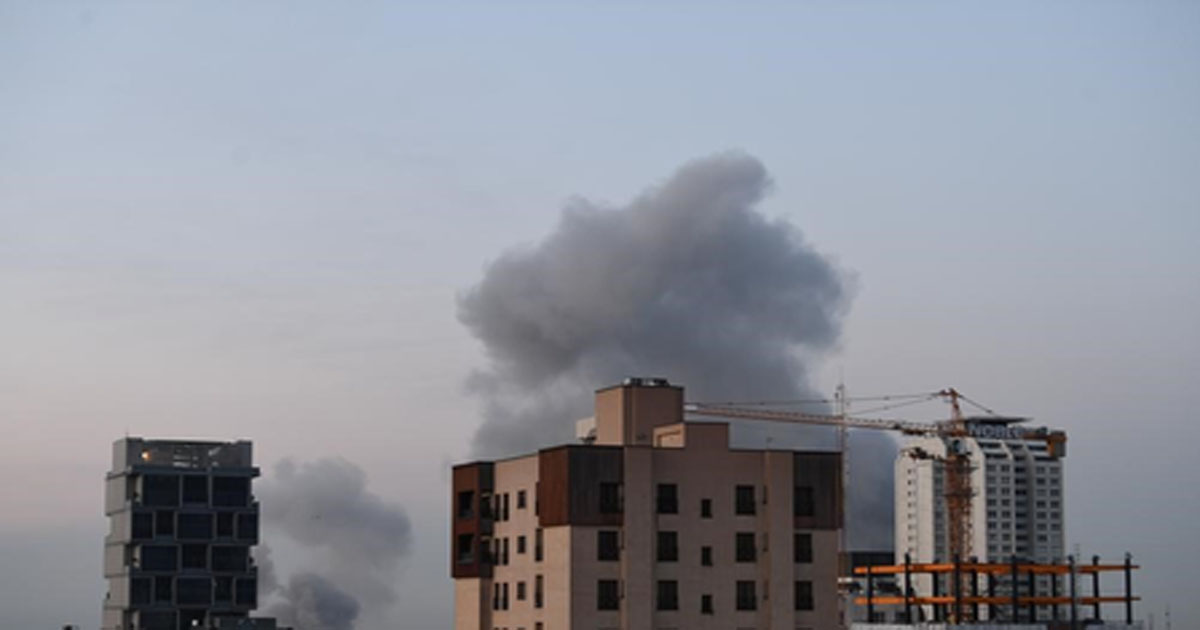
Tehran, April 7: Iran has rejected a US-proposed 15-point peace plan, calling instead for a permanent end to the conflict, the official news agency IRNA reported.
Tehran delivered its response in a 10-point document, citing past experiences as the reason it would not accept a ceasefire, Xinhua news agency reported.
The response outlines Iran’s demands, including ending regional conflicts, establishing safe passage through the Strait of Hormuz, reconstructing war-affected areas, and lifting international sanctions.
The IRNA claimed the text was presented following recent developments in Iran’s western and central regions and the unsuccessful outcome of a US heliborne operation, with US President Donald Trump extending a previously set deadline again and adjusting earlier threats.
In a press conference on Monday, Trump called Iran’s 10-point response a “significant step” but said it was “not good enough.”
Also on Monday, Iran’s Foreign Ministry spokesperson Esmaeil Baghaei said a ceasefire would only give opponents time to regroup and commit further crimes, and “no sane” person would accept it.
In late March, US media reported that Washington sent a 15-point plan to Iran through Pakistan to try to end the war. Iran later rejected the plan, calling it “excessive and disconnected from the realities on the battlefield.”
The Islamic Republic set several preconditions for peace. These include ending US and Israeli aggression, creating mechanisms to prevent future attacks, compensating for war damage, stopping fighting across all fronts in West Asia, and recognizing Iran’s sovereignty over the Strait of Hormuz.
On February 28, Israel and the United States launched joint attacks on Tehran and other Iranian cities, killing Supreme Leader Ali Khamenei, senior military commanders, and civilians. Iran retaliated with missile and drone strikes targeting Israeli and US assets in the Middle East.
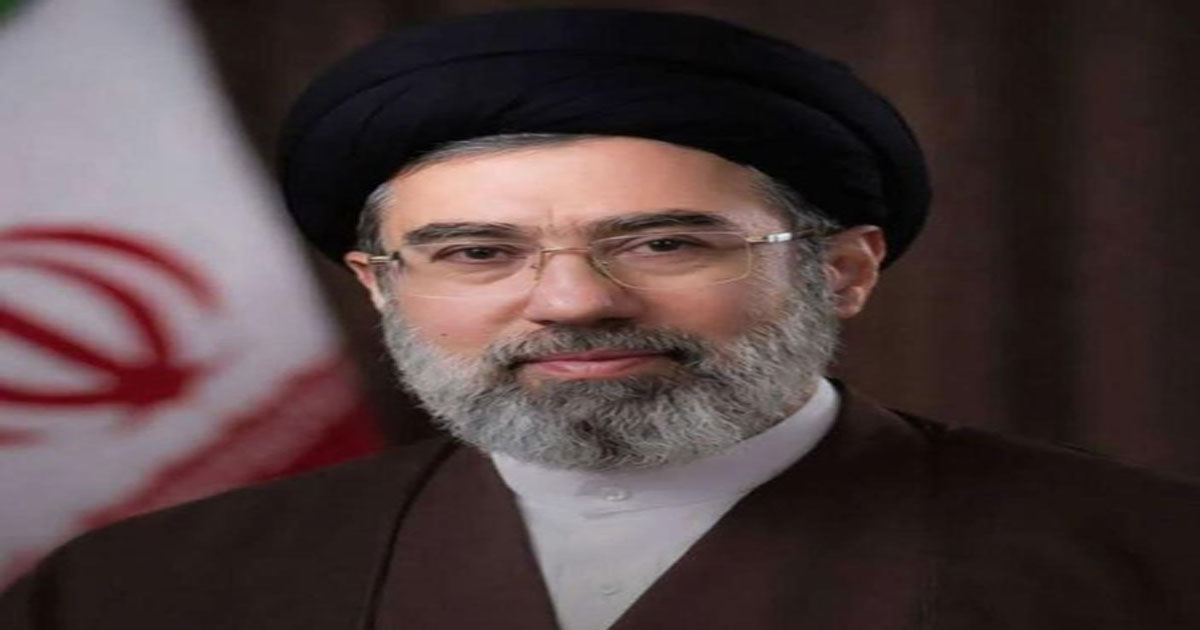
Tehran, April 7: Iran’s Supreme Leader Mojtaba Khamenei extended condolences for a senior general of the Islamic Revolution Guard Corps (IRGC), saying that “assassinations and crimes” against Iranian leadership will not halt the country’s course.
In a written statement, Khamenei praised Majid Khademi, head of the IRGC’s Intelligence Protection Organization, for decades of “silent efforts in the security, intelligence, and defence fields” of Iran, Xinhua news agency reported.
He also accused Israel and the United States of turning to “terrorism and assassination” after “successive defeats.” Khademi was killed in Tehran on Monday in an airstrike claimed by Israel.
Khamenei extended condolences to Khademi’s family and comrades, as well as the other commanders of the IRGC’s Intelligence Organization.
Khademi was appointed as the head of the intelligence organization in June last year following the 12-day war between Iran and Israel, in which Mohammad Kazemi, the organization’s former chief, had been killed.
Before his appointment, Khademi served as the head of the IRGC’s Intelligence Protection Organization.
Meanwhile, Iran’s Foreign Minister Seyed Abbas Araghchi strongly condemned a US and Israeli attack on the Sharif University of Technology in the capital Tehran, which severely damaged the building of its information technology center and a gas substation near the academic center’s mosque.
Iran’s army said Sunday it has targeted petrochemical industries and petroleum products storage facilities in southern Israel, as well as US equipment depots, satellite communication units and troops in a base in Kuwait.
On February 28, Israel and the United States launched joint attacks on Tehran and several other Iranian cities, killing Iran’s Supreme Leader Ali Khamenei, along with senior military commanders and civilians. Iran responded by launching waves of missile and drone strikes targeting Israel and US bases and assets in the Middle East.
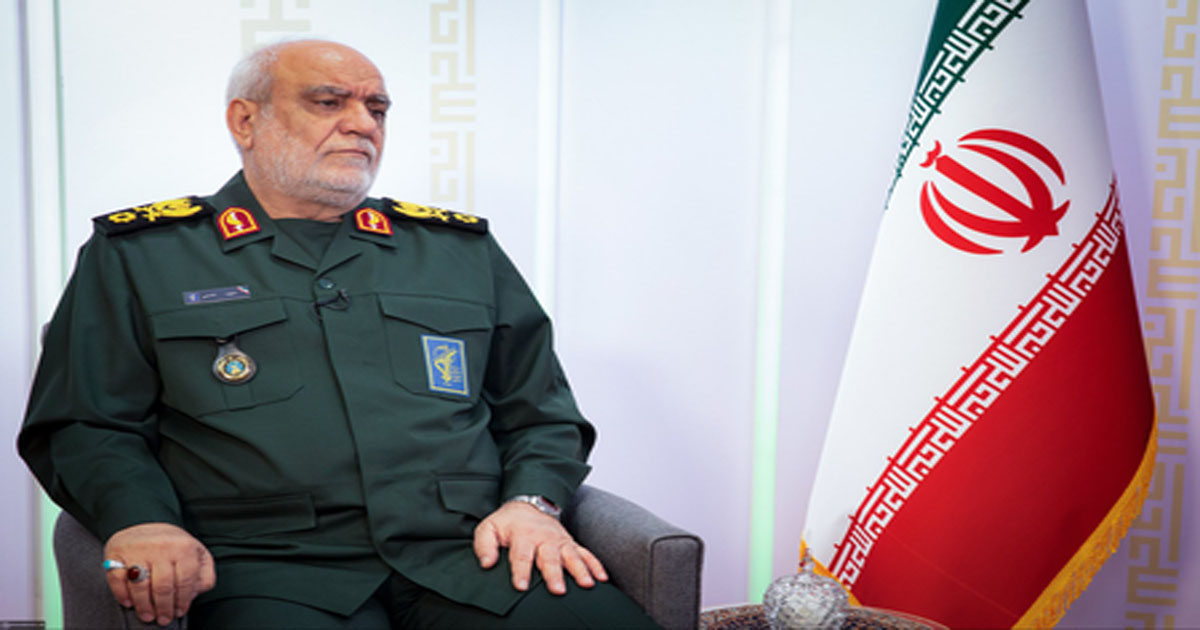
Tel Aviv, April 6: The Israel Defence Forces (IDF) on Monday claimed to have killed Majid Khatem-Hosseini Khadami, Chairman of Iran’s Revolutionary Guards’ (IRGC) intelligence organisation, in an air strike in Tehran on Sunday night.
“Eliminated: Majid Khademi, the Head of Intelligence of the IRGC. Khadami was one of the most important commanders of the Revolutionary Guards and had accumulated military and security experience over the years,” read a statement issued by the IDF.
It mentioned that the Israeli Air Force, under precise intelligence guidance from the Intelligence Directorate, attacked during the night in Tehran and killed Khadami.
According to the IDF, Khadmi was appointed to his position after the assassination of Muhammad Khatami in Operation ‘Am Kalavi’. As part of his role, he worked to gather intelligence to form an intelligence picture for the regime’s senior echelons during Operation ‘Roar of the Harrier’.
“Khademi worked to advance terrorist attacks worldwide, and was responsible for monitoring Iranian civilians as part of the regime’s suppression of internal protests. He was a key figure in the campaign, the intelligence he collected was used to promote and execute terrorist operations,” the IDF stated.
“Alongside this, Khadami worked to promote terrorist acts against the State of Israel and against Jews around the world and took part in attempts to harm American targets, and was even responsible for monitoring Iranian citizens as part of the suppression of internal protests in Iran,” it added.
The Israeli defence ministry mentioned that Khadami’s “elimination” constitutes another serious blow to the command and control systems of the Revolutionary Guards, and to its ability to “conduct terrorist activity” against the State of Israel and countries around the world.
On Sunday, the IDF announced that it had killed Mohammad Reza Ashrafi Kahi, the Head of Commerce at the IRGC’s Oil Headquarters in Tehran.
“Ashrafi managed the commercial operations of the Oil Headquarters, estimated at billions of dollars annually, and advanced the development of the IRGC’s military capabilities, as well as those of the Houthis, Hezbollah & Hamas,” the IDF posted on X.

10 arrested in communal violence at Dandoshi, FIR registered after drugs recovered from accused’s house

Maha Cabinet approves new dept for electronics, IT, AI and listing of Mahavitaran

Thane-Borivali Twin Tunnel Work Launched; Here’s How TBM Nayak Will Transform Travel For Mumbaikars

Govt doubles daily 5-kg LPG cylinder quota for migrant labourers across states

Mumbai Crime: Session Court Denies Bail To 3 Accused In ₹63 Lakh Chawl Fraud Case

Married Mumbai Woman Mocked In Andheri Society Over ‘Lift Kissing’ CCTV Video, Files Police Complaint

LPG Crisis In Maharashtra: Cyber Crime On Rise Amid Shortage, 2 Women Lose ₹4 Lakh In ‘Gas Update’ Online Scam In Kalyan-Dombivli

Mahayoti’s big gift to the people of Mumbai… Now there is no tax for houses up to 500 square feet, the Municipal Corporation has increased this limit to 700 square feet.

Dhurandhar 2 Box Office Collection Day 1: Ranveer Singh Starrer Takes An Exceptional Opening; Crosses ₹100 Crore Mark

Thane Horror: Man Slashed With Chopper In Naupada For Refusing ‘Vargani’, Caught On Camera
-

 Crime4 years ago
Class 10 student jumps to death in Jaipur
-

 Maharashtra2 years ago
Mumbai Local Train Update: Central Railway’s New Timetable Comes Into Effect; Check Full List Of Revised Timings & Stations
-

 Maharashtra1 year ago
Mumbai To Go Toll-Free Tonight! Maharashtra Govt Announces Complete Toll Waiver For Light Motor Vehicles At All 5 Entry Points Of City
-

 Maharashtra2 years ago
False photo of Imtiaz Jaleel’s rally, exposing the fooling conspiracy
-

 National News1 year ago
Ministry of Railways rolls out Special Drive 4.0 with focus on digitisation, cleanliness, inclusiveness and grievance redressal
-

 Maharashtra1 year ago
Maharashtra Elections 2024: Mumbai Metro & BEST Services Extended Till Midnight On Voting Day
-

 National News2 years ago
J&K: 4 Jawans Killed, 28 Injured After Bus Carrying BSF Personnel For Poll Duty Falls Into Gorge In Budgam; Terrifying Visuals Surface
-

 Crime1 year ago
Baba Siddique Murder: Mumbai Police Unable To Get Lawrence Bishnoi Custody Due To Home Ministry Order, Says Report