
Maharashtra
From Ajit Pawar To Chhagan Bhujbal: List Of NCP Leaders Who Became Maharashtra Ministers

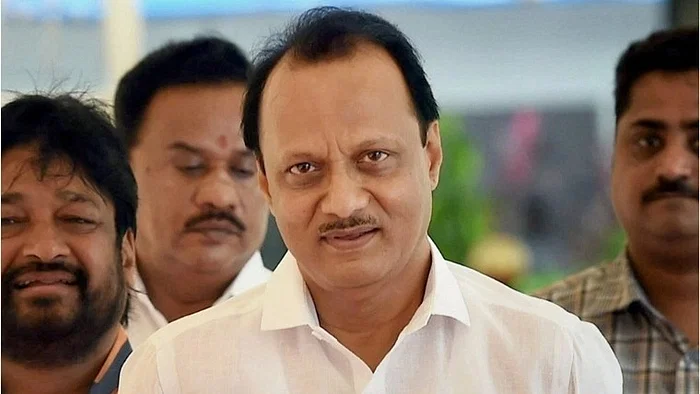
Nationalist Congress Party leader Ajit Pawar shocked everyone on Sunday as he joined Eknath Shinde’s Shiv Sena and took oath as Maharashtra Deputy Chief Minister in a move which has left the NCP split in half.
Pawar, along with several NCP heavyweights, went to Raj Bhavan to meet Governor Ramesh Bais and hand over a letter of support signed by around three-dozen MLAs.
Ajit Pawar, along with eight NCP leaders, decided to join the Maharashtra government and were administered the oath of office by the Governor.
Here is a list of the leaders who took oath as ministers in the state govt:
Senior NCP leader Ajit Pawar on Sunday afternoon took oath as the Deputy Chief Minister of Maharashtra for the third time since 2019. He will share the post with Devendra Fadnavis.
The development comes after Ajit Pawar was sidelined in the party while Supriya Sule and Praful Patel were promoted to the post of working presidents of the party.
The 75-year-old Nashik-born leader served as the Deputy CM of Maharashtra from October 1999 to December 2003. He also served as Minister of Public Works Department and Minister of Home Affairs in Government of Maharashtra.
Hasan Mushrif
He is the current rural development and labour minister in the Government of Maharashtra. Mushrif is a member of the Maharashtra Legislative Assembly from Kolhapur’s Kagal assembly seat.
Dhananjay Munde
Munde won the 2019 assembly elections from Parli constituency. He is the Guardian Minister of Beed District and the Minister of Social Justice and Special Assistance of the State of Maharashtra. Munde had held the role of opposition leader in the Legislative Council of Maharashtra.
Dilip Walse-Patil
Walse-Patil was known to be a close associate of NCP chief Sharad Pawar therefore, his shift to Shinde’s Sena comes as a big shocker. Walse-Patil actually started his career as Pawar’s personal assistant before becoming an NCP MLA.
Dharmarao Baba Atram
Atram was an NCP MLA from Aheri Assembly Constituency in Gadchiroli city. He became an an MLA in 2019.
Aditi Sunil Tatkare
Tatkare was a Maharashtra State Minister in the Uddhav Thackeray government from 2019 to 2022. She became an MLA from Shrivardhan and was the only female MLA on the list. She was the President of the Raigad Zila Parishad from 2017 – 2019. Tatkare has handled several departments including tourism, information and public relations, law and judiciary, etc.
Anil Bhaidas Patil
Anil Patil was the chief whip of the NCP in the Maharashtra Assembly before he shifted loyalties to Shinde’s Shiv Sena. He represents Amalner Vidhan Sabha constituency.
Sanjay Bansode
Sanjay Baburao Bansode was a Cabinet minister of Maharashtra from December 2019 to June 2022. He was a member of the NCP from Latur district and became an MLA after beating BJP’s Dr. Anil Kamble. He had participated in Namantar movement.

Mumbai, Oct 5: National Commission for Women Chairperson Vijaya Rahatkar on Monday began a visit to Maharashtra, looking forward to interacting with working women and discussing issues related to empowerment and security.
Her single-day visit kicked off with an awareness programme with employees of a private bank on the Sexual Harassment of Women at Workplace (Prevention, Prohibition and Redressal) Act, 2013 (POSH Act), according to a statement.
She later visited the Tata Institute of Social Sciences and led consultations on state-specific laws with Maharashtra State Women Commission officials.
Discussions with the Mumbai Police Commissioner on women’s safety were also scheduled at the Commissionerate Office, the statement said.
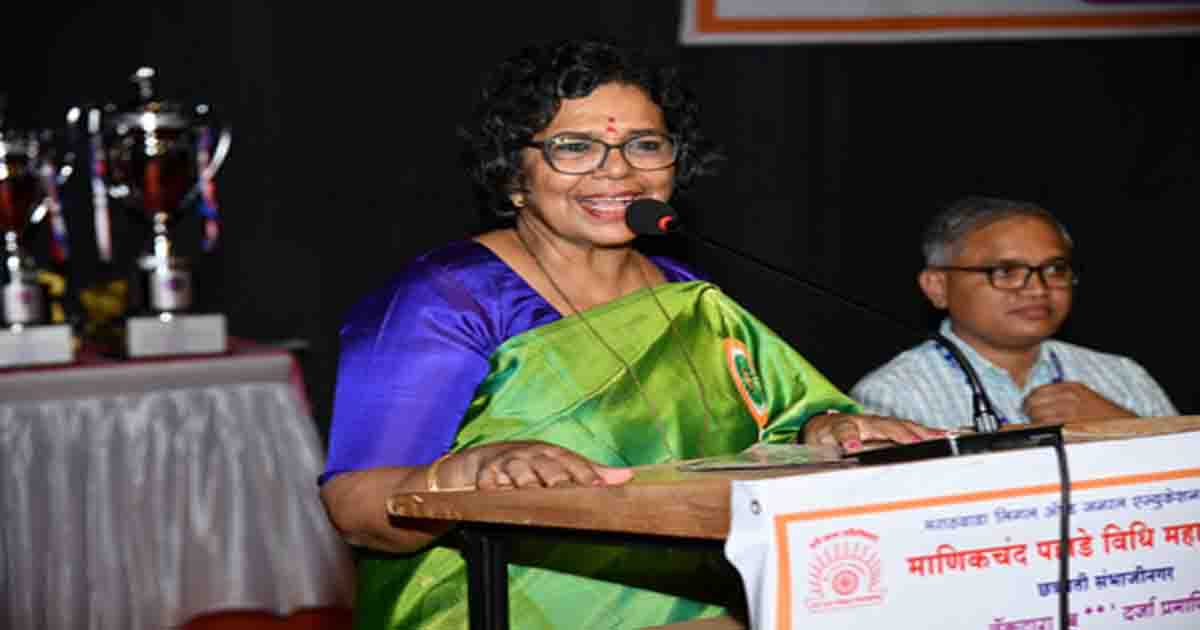
On Sunday, Rahatkar attended and gave away prizes at the state-level inter-collegiate debate competition organised by Manikchand Pahade Law College of the Marathwada Legal and General Education Society in Chhatrapati Sambhajinagar, said a statement.
The topic of the competition was: “Gen Z’s Path is Conducive to Transformation.” On this occasion, she interacted with the students, participants, and faculty members of the college.
While sharing her thoughts on the competition’s topic, the NCW Chairperson said, “India is passing through a phase of transformation today, and in this journey, the youth class is not merely a spectator. The youth are India’s largest stakeholders, India’s greatest strength, and the most important force that will bring the dream of a developed India into reality.”
“Therefore, let there be confidence in your minds, but along with that, let there also be humility. Acquire knowledge, but along with that, nurture curiosity as well. Have the courage to firmly express your opinions; but also maintain the patience to listen to others’ opinions,” she said.
“And most importantly, know your rights, be aware of your duties, and have faith in our Constitution. Because India’s future is not shaped only in Parliament; India’s future is also shaped in the classrooms of universities and colleges. These students of today will be the lawyers, judges, researchers, administrators, policymakers, and citizens who will lead society tomorrow,” said Rahatkar.
In a message on X, she said, “The students’ ideas, values and faith in the Constitution will therefore play a crucial role in shaping the journey towards a Viksit Bharat.”
Maharashtra
Mumbai CSMT: Case Filed Against Garjana Morcha Over Demand to Scrap SIR; Nitesh Rane Defends Action, Calls for Aditya Thackeray Passport to Be Seized

Mumbai: The Mumbai Police have registered a case against the organizers of the ‘Garjana Morcha’ (Roaring Rally), which was held without permission at Azad Maidan near the BMC headquarters. The protest, organized by Shiv Sena chief Uddhav Thackeray and MNS chief Raj Thackeray, saw the participation of party workers from across Mumbai and the state. During the event, demands were raised to cancel the FIR, and Raj Thackeray—in his address—termed the FIR itself illegal; he also proposed a boycott of the elections. The Mumbai Police have registered the case under Sections 223, 189, and 190 of the BNS. Authorities stated that the case was filed due to the unlawful assembly of a crowd. The Azad Maidan Police have initiated an investigation into the matter, and the case has been registered against the organizers as well as other leaders. A case must be registered for an illegal protest: Nitesh Rane
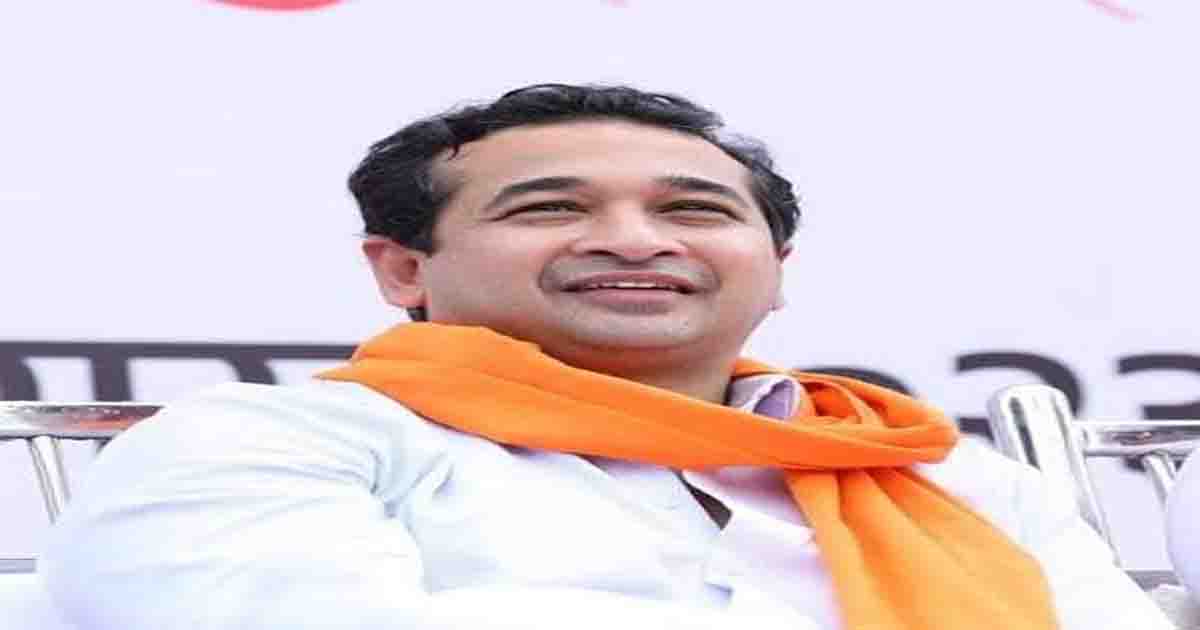
Following the police case registered after the Azad Maidan protest, BJP leader and minister Nitesh Rane stated that filing a case for an unauthorized, illegal protest is mandatory because the Constitution of Babasaheb Ambedkar prevails here. He alleged that the protest was held for “Vote Jihad.” Furthermore, in a vitriolic outburst, Rane noted that Aaditya Thackeray was absent from the protest organized by Uddhav and Raj Thackeray; claiming Aaditya knew action would be taken against him and might flee, Rane demanded that his passport be confiscated.
Maharashtra
Mumbai Mobile Theft Gang Busted: 42 Mobile Phones Worth ₹16 Lakh Recovered, Police Investigation Underway
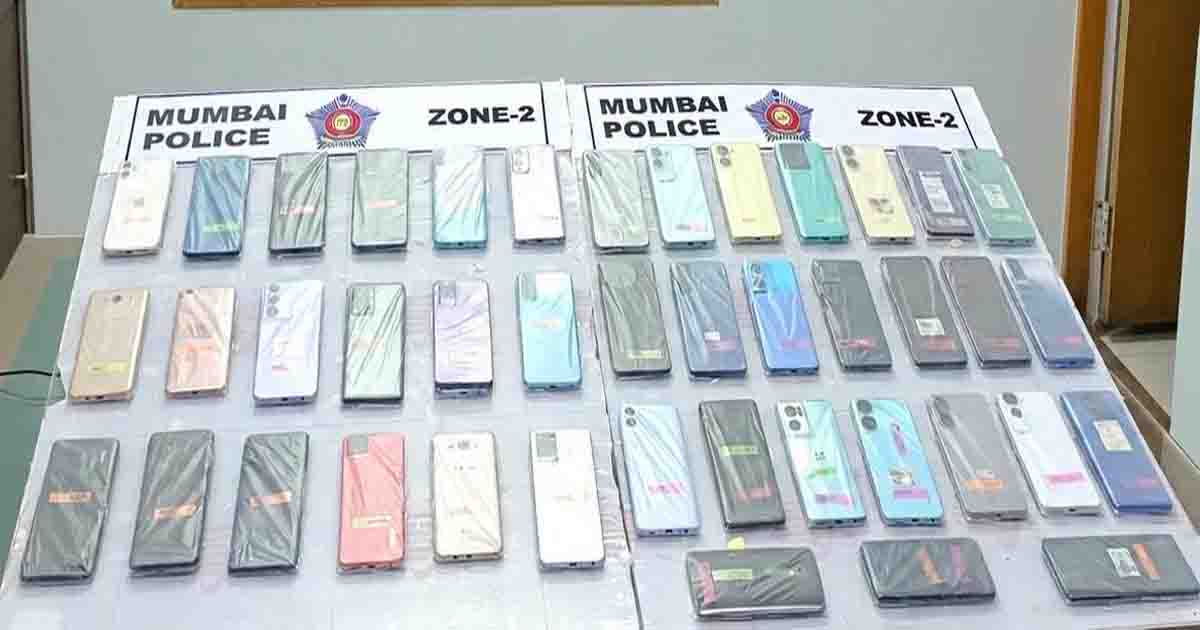
A case (No. 693/26) was registered at the Gamdevi Police Station, Mumbai, under Sections 303(2) and 3(5) of the BNS. The complainant was traveling by bus from the Colaba Hill bus stop towards Pedder Road, Mumbai, when an unidentified individual shoved him amidst the crowd and stole his OnePlus mobile phone. Following the investigation—which utilized technical analysis and information from confidential informants—an organized gang responsible for such crimes was traced. Arrests were made in Mankhurd and Shivaji Nagar, while the gang’s ringleader was apprehended in Rajasthan.
The arrested accused are: 1) Aftab Abad Ansari (26), 2) Hasan Abbas Shaikh (35), 3) Chand Mohammad Mohammad Sultan (53), 4) Imtiaz Imam Ali Shaikh (46), 5) Ajmi Akram Qureshi (32), 6) Swapnil Shankar Sonawane (29), and 7) Rajab Ali Mohammad Taqi Shaikh alias Chakna (32). Stolen mobile phones from 42 different brands—including the device involved in the aforementioned case—were recovered.
This successful operation was executed by a team comprising Deven Bharti, Joint Commissioner of Police Manoj Kumar Sharma, Additional Commissioner Shailesh Balkawade, Ragsudha R. (South Region 02), Prashant Mohite, and Rajiv Patil.

Mumbai: NCW chief Vijaya Rahatkar holds POSH workshop, reviews security with top cop

Mumbai CSMT: Case Filed Against Garjana Morcha Over Demand to Scrap SIR; Nitesh Rane Defends Action, Calls for Aditya Thackeray Passport to Be Seized

Shriya Saran reveals she couldn’t sleep a day before ‘Drishyam 3’ release: ‘Every scene, I was revisiting emotionally’

Mumbai Mobile Theft Gang Busted: 42 Mobile Phones Worth ₹16 Lakh Recovered, Police Investigation Underway

‘Create fear among criminals’: SC tells Delhi Police in suo motu case on recent rape incidents

Gift to President Putin part of PM Modi bid to globally display India’s heritage

PM Modi’s warm camaraderie with Putin, Xi on full display at BRICS Summit

Corporators of all parties in trouble! Corporators of all major parties including Shiv Sena (UBT), BJP and Congress are facing legal challenges.

Complaint against Netflix & Mukesh Chhabra for inappropriate language on ‘India’s Got Latent 2’

Maha Congress stages agitation against Gyanesh Kumar
-

 Crime4 years ago
Class 10 student jumps to death in Jaipur
-

 Maharashtra2 years ago
Mumbai Local Train Update: Central Railway’s New Timetable Comes Into Effect; Check Full List Of Revised Timings & Stations
-

 Maharashtra2 years ago
Mumbai To Go Toll-Free Tonight! Maharashtra Govt Announces Complete Toll Waiver For Light Motor Vehicles At All 5 Entry Points Of City
-

 Maharashtra2 years ago
False photo of Imtiaz Jaleel’s rally, exposing the fooling conspiracy
-

 National News2 years ago
Ministry of Railways rolls out Special Drive 4.0 with focus on digitisation, cleanliness, inclusiveness and grievance redressal
-

 Maharashtra2 years ago
Maharashtra Elections 2024: Mumbai Metro & BEST Services Extended Till Midnight On Voting Day
-

 National News2 years ago
J&K: 4 Jawans Killed, 28 Injured After Bus Carrying BSF Personnel For Poll Duty Falls Into Gorge In Budgam; Terrifying Visuals Surface
-

 Crime2 years ago
Baba Siddique Murder: Mumbai Police Unable To Get Lawrence Bishnoi Custody Due To Home Ministry Order, Says Report