
Maharashtra
BREAKING | ‘Let Girls Follow What They Want,’ Supreme Court Stays Hijab Ban In Mumbai College

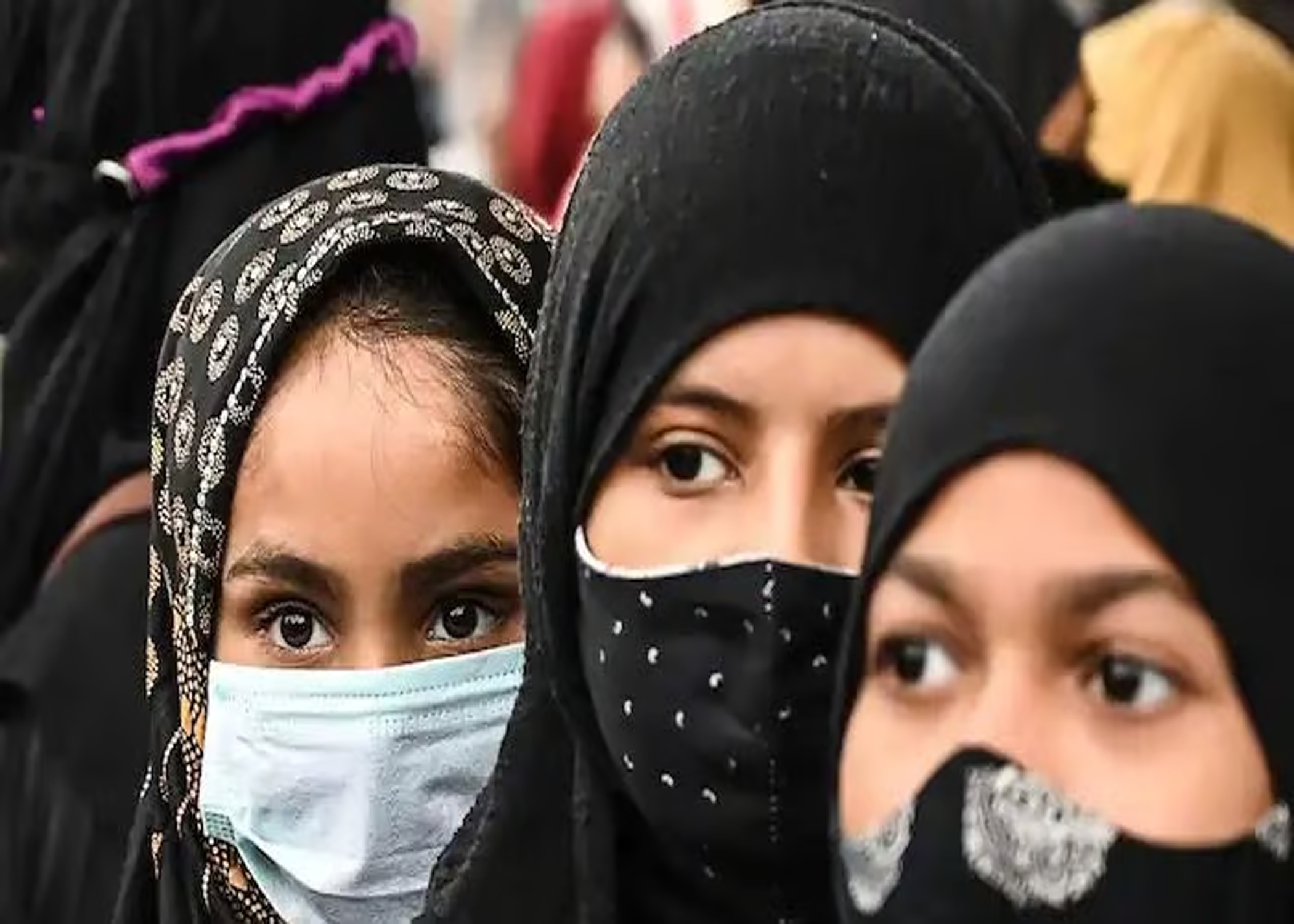
The Supreme Court of India has issued an interim order staying the hijab ban imposed by NG Acharya & DK Marathe College in Mumbai. The ruling came during a hearing of a petition filed by the college’s students challenging the ban on wearing hijabs, caps, and badges on campus.
“Don’t Impose Such a Rule”: SC Bench Expresses Surprise
As reported by Live Law, a bench consisting of Justices Sanjiv Khanna and Sanjay Kumar expressed surprise at the college’s restriction, with Justice Khanna questioning why it had not extended the ban to other markers of religion, such as tilak and bindi, if the intention was to enforce a uniform dress code.
“Can you say someone wearing a tilak will not be allowed? This is not part of your instructions?” Justice Kumar asked, as per Live Law.
“What is this? Don’t impose such a rule… what is this? Don’t reveal religion?” he further asked.
He further probed the college’s rationale, asking, “Will their names not reveal religion? Will you ask them to be identified by numbers?” He emphasised the importance of allowing students to study together without such divisive regulations.
College’s Autonomy vs. Students’ Rights
Senior Advocate Madhavi Divan, representing the college, argued that as a private institution, the college had the autonomy to enforce its dress code. However, Justice Kumar challenged this by pointing out that the college had operated since 2008 without such restrictions, questioning the timing and necessity of the new rules.
SC Stays Ban, Allows Hijabs, Caps, and Badges
The Supreme Court agreed that face-covering veils, such as nakabs or burkhas, could be a barrier to classroom interaction and upheld the prohibition on such attire. However, it stayed the broader ban on hijabs, caps, and badges, allowing students to wear them on campus until further notice.
Background: Bombay High Court’s Verdict
The controversy began on May 1, when NG Acharya & DK Marathe College issued a notice on its official WhatsApp group, outlining a dress code that banned the wearing of hijab, niqab, burqa, caps, badges, and stoles on the college premises. The students, who were affected by this directive, initially approached the college management and the principal, requesting the withdrawal of the restrictions on hijab, niqab, and burqa. They cited their right to choice, dignity, and privacy in the classroom as the reason for their request.
However, when their requests were ignored, the students escalated the matter to the higher authorities, including the chancellor and vice-chancellor of Mumbai University, as well as the University Grants Commission. They sought intervention to ensure that education was imparted without discrimination. Despite their efforts, they received no response, leading them to file a petition in the Bombay High Court.
In the high court, the petitioners’ advocate, Altaf Khan, presented verses from the Quran to argue that wearing a hijab was an essential part of Islam. The plea stated that the college’s action was “arbitrary, unreasonable, bad-in-law, and perverse.” On the other hand, the college management defended the ban as a measure to enforce a uniform dress code and maintain discipline, denying any intent to discriminate against the Muslim community. Senior counsel Anil Anturkar, representing the college, argued that the dress code applied to students of all religions and castes.


Maharashtra
Mumbai BEST strike continues… Additional buses to be provided for NEET exam centers, passengers inconvenienced due to strike

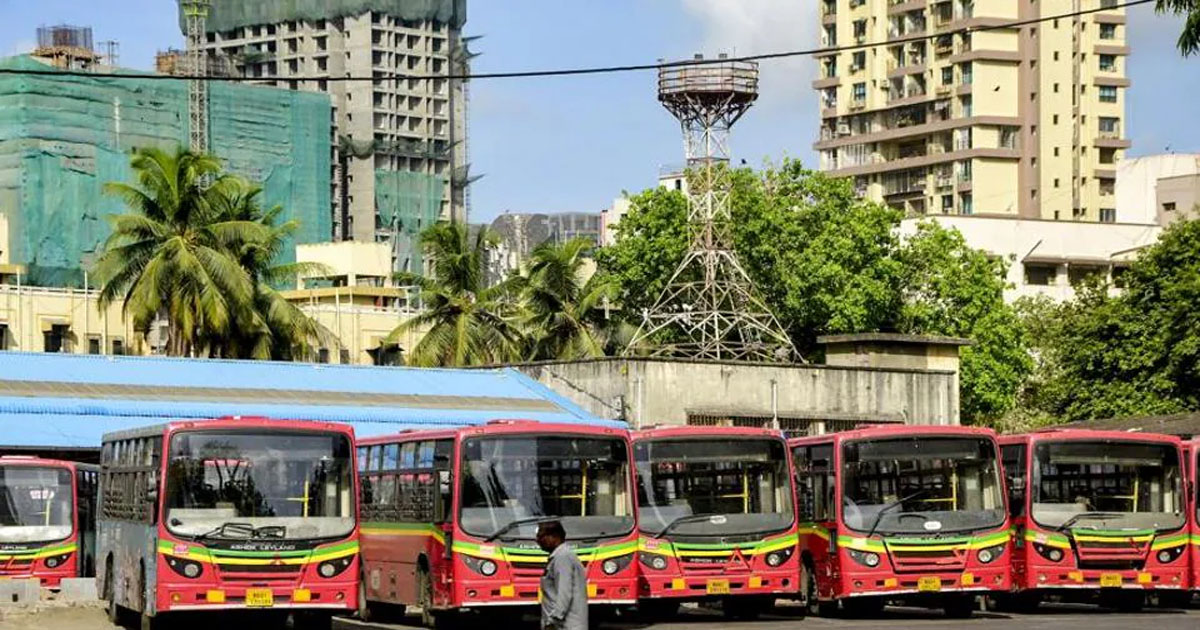
Passengers were left stranded for the second day due to the BEST bus strike in Mumbai. Due to the public transport strike, private vehicles, autorickshaws and taxis have become silver. Complaints have also been received from passengers about double fare being charged. Meanwhile, the BEST administration has claimed in a press release that comprehensive measures are being taken by the administration to ensure passenger services. The administration is keeping an eye on the strike called by the BEST Kamgar Karti Samiti amidst the strike and has taken all necessary steps to ensure that passengers do not face any kind of inconvenience. On June 20, notices under MEMSA (Maharashtra Essential Services Maintenance Act) were served to the employees participating in the strike, and notices under MEMSA have also been sent. Along with this, the porters have also been contacted. Considering the situation that has arisen, the Maharashtra State Road Transport has been directed to arrange 100 additional buses so that the passengers do not face any kind of trouble. Additionally,
63 examination centres of NEET exam will ensure best service to students so that they do not face any inconvenience.
60 additional buses have been arranged in Mumbai from 9:00 am to 1:00 pm and
5:00 pm to 7:00 pm and orders have been given to depot managers in this regard.
The power supply department is not affected by the strike. The undertaking, and its essential power services are functioning smoothly. Providing uninterrupted, safe and reliable service to the passengers is the top priority, and all possible measures are being implemented accordingly. Mumbai is in a state of chaos due to the strike. There are no buses on the roads.
Maharashtra
Parbhani : Maharashtra ATS cracks down on Youth Islamic Federation, Popular Front of India Raids conducted at 15 locations
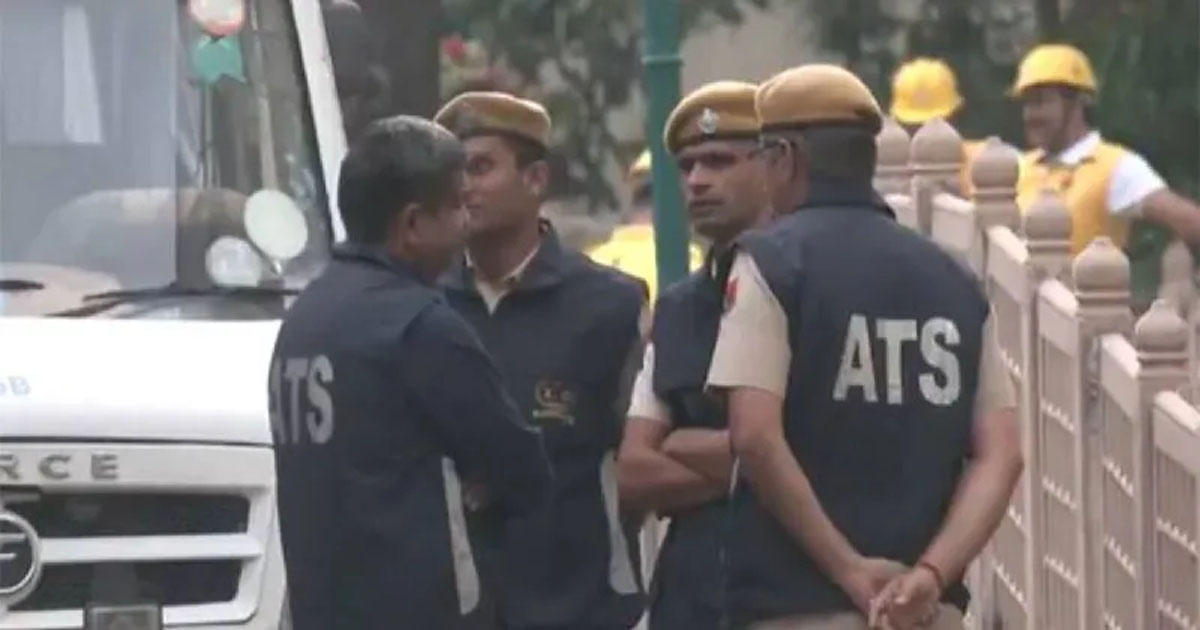
Mumbai: Maharashtra Anti-Terrorism Squad (ATS) has conducted raids at a total of 15 places in Parbhani and has also started questioning suspected members of Islamic Youth Federation, Popular Front of India, ISIS. ATS has conducted this operation in a case of online extremism. After the raid in Parbhani, there has been a sensation and tension here. ATS conducted this operation early in the morning in which electronic gazettes and other documents have also been recovered from the possession of these suspects, which have been seized by ATS. Along with this, ATS has also conducted raids at the house of Honorable Bari Raeesuddin on charges of ISIS in 2016. About 14 youths have been taken into custody and their interrogation is also underway. ATS said that these youths were victims of online extremism. In such a situation, investigation is also underway on which sites these youths used to propagate extremism online. Operations were also carried out in Nanded and Chhatrapati Samhhani Nagar. Search operations were also conducted at 15 different places in Parbhani city, including Mumtaz Colony, Master Cafe, Iftikhar Colony, Saint Colony, Mustafa Bazaar, Azmat Khan Road to Saint Colony Road, Rajkot Sweet, Noble Handloom and Hosiery Shop, etc. A total of 14 people are still being arrested in this raid. The ATS has not arrested them yet. This raid operation is causing fear and panic in Muslim-majority areas of Parbhani, Nanded and other places. ATS sources have claimed in this matter that no innocent person will be harassed. The ATS is investigating in this regard. No one has been formally arrested.
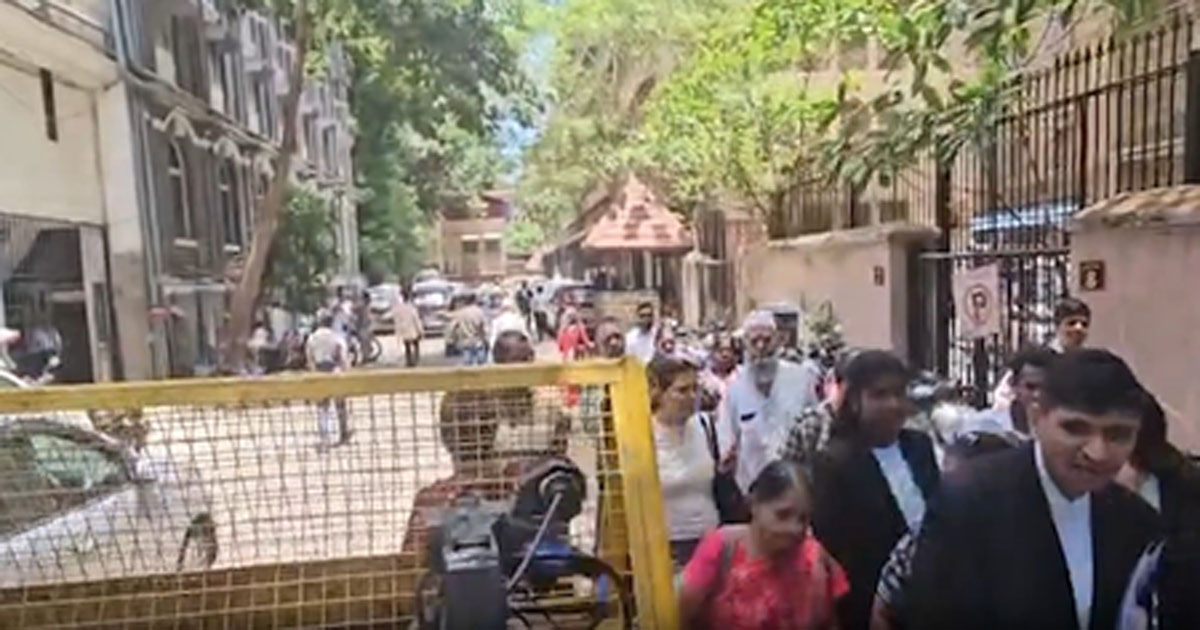
Mumbai, June 20: The Central Bureau of Investigation (CBI) on Saturday said it will challenge before the Bombay High Court the acquittal of all accused in the high-profile murder case of Congress leader Pawanraje Nimbalkar and his driver.
A special CBI court in Mumbai acquitted all the accused, including former Maharashtra Home Minister and ex-NCP MP Padamsinh Bajirao Patil, citing a lack of reliable evidence and extending the benefit of doubt to the accused.
Pawanraje Nimbalkar, a prominent Congress leader, and his driver were shot dead in broad daylight on June 3, 2006, in Navi Mumbai. The case was subsequently transferred to the CBI on the directions of the Bombay High Court.
Following an extensive investigation, the CBI filed its charge sheet in 2009 and a supplementary charge sheet in 2010 against nine accused persons, including Padamsinh Patil. During the trial, one of the accused turned approver and became a key prosecution witness.
In its judgment, the trial court held that the testimony of the prosecution’s star witness was not sufficiently credible to sustain a conviction. The court observed that the witness had repeatedly changed his statements and that there were material contradictions in his version.
“A conviction cannot be based solely on the testimony of this witness,” the court noted, adding that although the approver was a crucial link in the prosecution’s case, his evidence could not be relied upon because of persistent inconsistencies.
The court further observed that contradictions in the witness’s statements undermined the prosecution’s conspiracy theory and ultimately granted the accused the benefit of doubt, leading to their acquittal.
The CBI, however, maintained that it had produced strong evidence against the accused and said that it would challenge the verdict before the Bombay High Court.
Among those acquitted was Padamsinh Patil, 86, who was alleged by the CBI to be the principal conspirator behind the killings. Patil, who is also Nimbalkar’s first cousin, arrived at the court in a wheelchair, accompanied by a hospital attendant.
Padamsinh Patil was arrested by the CBI in June 2009 and was granted bail by the Alibaug Sessions Court later that year. With the trial court now acquitting all the accused, the case is set to enter a new legal phase as the CBI prepares to challenge the verdict before the Bombay High Court.

Operation Clean triggers documentation row over 250-year-old shrine in Jaisalmer border district

Mumbai BEST strike continues… Additional buses to be provided for NEET exam centers, passengers inconvenienced due to strike

NEET exams: Noida administration heightens surveillance via CCTV, police on alert

Parbhani : Maharashtra ATS cracks down on Youth Islamic Federation, Popular Front of India Raids conducted at 15 locations

PhonePe’s wallet inactivity notifications: What users need to know

G7 Summit: PM Modi, Prez Trump discussed West Asia, India-US trade deal & bilateral cooperation across sectors: MEA

Trump, Netanyahu hold phone talks after Iranian missile fire: Israeli state media

Indian equity markets trade higher as Iran-Israel tensions ease

Rubio says Hamas disarmament key to Gaza rebuild

Israel captures strategic Beaufort Castle in southern Lebanon
-

 Crime4 years ago
Class 10 student jumps to death in Jaipur
-

 Maharashtra2 years ago
Mumbai Local Train Update: Central Railway’s New Timetable Comes Into Effect; Check Full List Of Revised Timings & Stations
-

 Maharashtra2 years ago
Mumbai To Go Toll-Free Tonight! Maharashtra Govt Announces Complete Toll Waiver For Light Motor Vehicles At All 5 Entry Points Of City
-

 Maharashtra2 years ago
False photo of Imtiaz Jaleel’s rally, exposing the fooling conspiracy
-

 National News2 years ago
Ministry of Railways rolls out Special Drive 4.0 with focus on digitisation, cleanliness, inclusiveness and grievance redressal
-

 Maharashtra2 years ago
Maharashtra Elections 2024: Mumbai Metro & BEST Services Extended Till Midnight On Voting Day
-

 National News2 years ago
J&K: 4 Jawans Killed, 28 Injured After Bus Carrying BSF Personnel For Poll Duty Falls Into Gorge In Budgam; Terrifying Visuals Surface
-

 Crime2 years ago
Baba Siddique Murder: Mumbai Police Unable To Get Lawrence Bishnoi Custody Due To Home Ministry Order, Says Report