
Maharashtra
Aurangzeb’s Tomb Cannot Be Demolished By Maharashtra Govt Despite Widespread Protests & Public Demands; Here’s Why

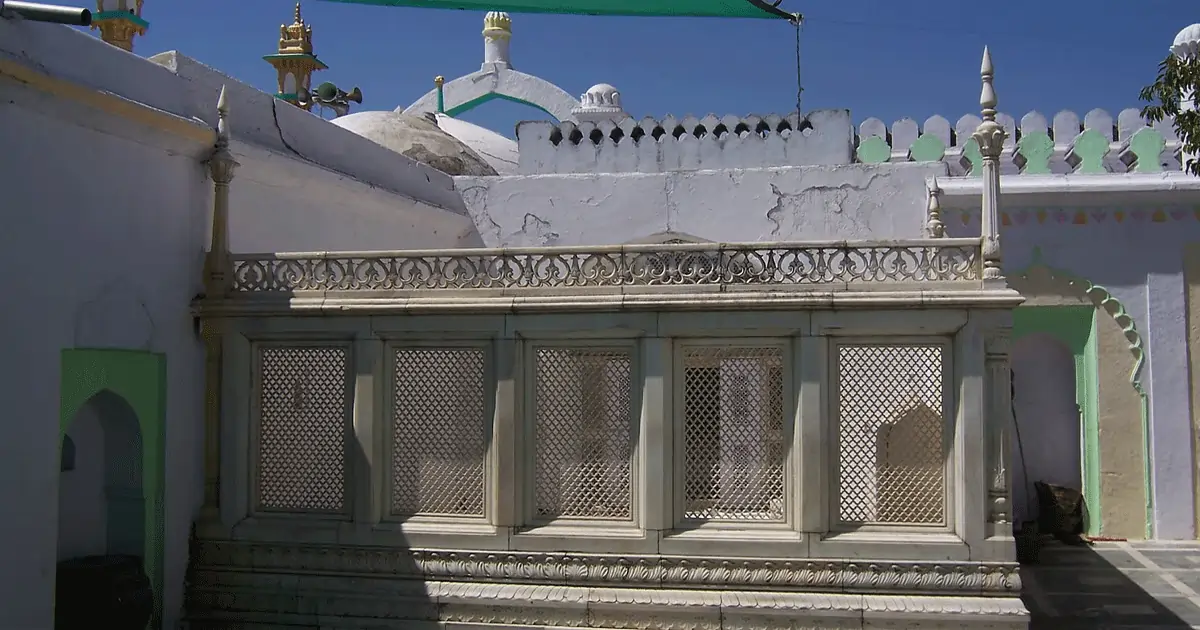
Nagpur: The recent violence in Nagpur, triggered by demands for the demolition of Aurangzeb’s tomb in Maharashtra’s Khuldabad, has intensified debates over the monument’s existence. Clashes erupted on March 17 after protests by Bajrang Dal and VHP, who called for the removal of the tomb, citing Aurangzeb’s oppressive rule. The unrest escalated, leading to violent confrontations, police injuries and curfews in affected areas.
However, despite the growing demand, the Maharashtra government does not have the legal authority to demolish the tomb. The site is protected under the Ancient Monuments and Archaeological Sites and Remains Act (AMASR Act), 1958, and falls under the jurisdiction of the Archaeological Survey of India (ASI), making its demolition legally impossible without central approval.
What is the AMASR Act, 1958?
The Ancient Monuments and Archaeological Sites and Remains Act, 1958 was enacted to preserve sites of historical and cultural significance. Under this Act, any monument classified as a ‘Monument of National Importance’ is protected from alteration, damage or destruction. The ASI, which functions under the Union Ministry of Culture, is responsible for maintaining these monuments.
Once a monument is notified under this Act, neither state governments nor local authorities can modify or demolish it. Only the Central Government, through a detailed legal and administrative process, can decide to de-notify such sites.
Why Is Aurangzeb’s Tomb A Protected Monument?
Aurangzeb, the sixth Mughal emperor, died in 1707 in Ahmednagar (now Ahilya Nagar) and was buried in Khuldabad near the dargah of Sheikh Zainuddin, his spiritual guide. His tomb is considered historically and culturally significant for several reasons:
– Historical Importance – Aurangzeb ruled for nearly 50 years, shaping India’s political and cultural history. His burial site remains part of India’s historical heritage.
– Architectural Value – Unlike grand Mughal tombs, Aurangzeb’s simple resting place reflects his lifestyle and is an example of minimalist Mughal architecture.
– Cultural Significance – The tomb is part of the larger Khuldabad complex, which houses several important Sufi shrines and historical figures’ graves.
– Preservation of Heritage – The ASI protects such sites to maintain historical integrity and prevent the destruction of India’s cultural legacy.
Can the Maharashtra Government Order Its Demolition?
No, the Maharashtra government cannot order the demolition of Aurangzeb’s tomb because:
1. It is a National Monument – The site is classified under the AMASR Act, making it a Monument of National Importance.
2. Only the Central Government Has Authority – The state government has no jurisdiction to alter or de-notify the tomb. Any such decision lies with the Union Ministry of Culture.
3. Legal Consequences – Any attempt to demolish the tomb would be unlawful and could lead to legal action against the state government.
4. International Reputation – Destroying a protected historical site could damage India’s global image as a country that values its diverse heritage.
What Has The Maharashtra Government Said?
During the inauguration of Maharashtra’s first Shivaji Maharaj temple earlier this month, Chief Minister Devendra Fadnavis acknowledged public sentiments against Aurangzeb but stated that legal constraints prevent any action against the tomb. “It is protected by the ASI, and we must follow the law,” he said. However, he assured that Maharashtra would only glorify Shivaji Maharaj, not Aurangzeb.
Despite political and public pressure, Aurangzeb’s tomb remains protected under Indian law. The Maharashtra government lacks the authority to demolish it, as it is a Monument of National Importance under the ASI. Any decision regarding its status rests solely with the Central Government. The Nagpur violence has intensified the debate, but legally, the demand remains unfeasible under current heritage laws.

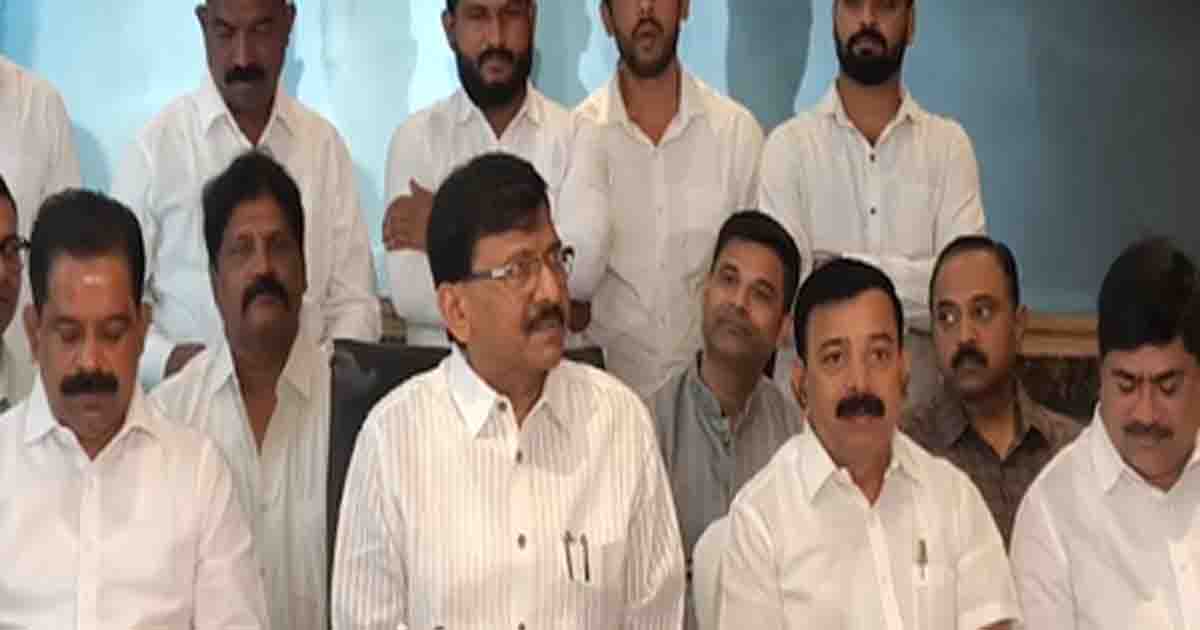
Pune, Oct 10: Shiv Sena (Uddhav Balasaheb Thackeray) MP Sanjay Raut on Saturday predicted that the central government would collapse within six months, accusing it of using heavy police deployment and blockades to prevent protesters from reaching Delhi for the Cockroach Janta Party (CJP) demonstration against Chief Election Commissioner Gyanesh Kumar.
Calling the ongoing protests a “people’s rebellion,” he claimed that the Narendra Modi government was in its final days and would fall by March-April next year.
Speaking to reporters, Raut claimed that the central government is terrified of young citizens and peaceful protesters.
CJP chief Abhijit Dipke on Saturday arrived at the Delhi airport, where the police detained him.
Raut predicted a massive political upheaval in the country, claiming that the central administration is breathing its last.
“This government will not survive. Between March and April, the Modi government will take its last breath, and a national government will be established,” he claimed.
He reiterated his earlier remark that Prime Minister Narendra Modi’s birthday on September 17 would be his last as Prime Minister. “If Modi doesn’t remain, Amit Shah won’t remain either,” he added.
Targeting the leadership, Raut used a harsh phrase referencing the late actor Nana Patekar’s famous dialogue, stating that a “cockroach” can make a government powerless. He alleged that current leaders are merely “traders” rather than strong statesmen, and traders are quick to panic.
He claimed that the Centre has effectively turned Delhi into Jammu and Kashmir, with around 15,000 vehicles stranded outside the city and trains halted to prevent protesters from reaching the capital.
Accusing the Centre of using extreme suppression tactics reminiscent of the British era, Raut questioned why the government was sealing Delhi and stopping youth from protesting democratically.
“Not even during British rule were such massive blockades seen. Thousands of vehicles are stuck on all sides. By what law are you branding protesting youth as traitors and anti-nationals?” Raut asked.
He urged the Delhi Police not to follow illegal orders issued by the central government, alleging that the current regime relies on voter manipulation and state machinery misuse.
Maharashtra
Congress leader Dalwai urges Fadnavis to free Maha activists detained ahead of Delhi stir

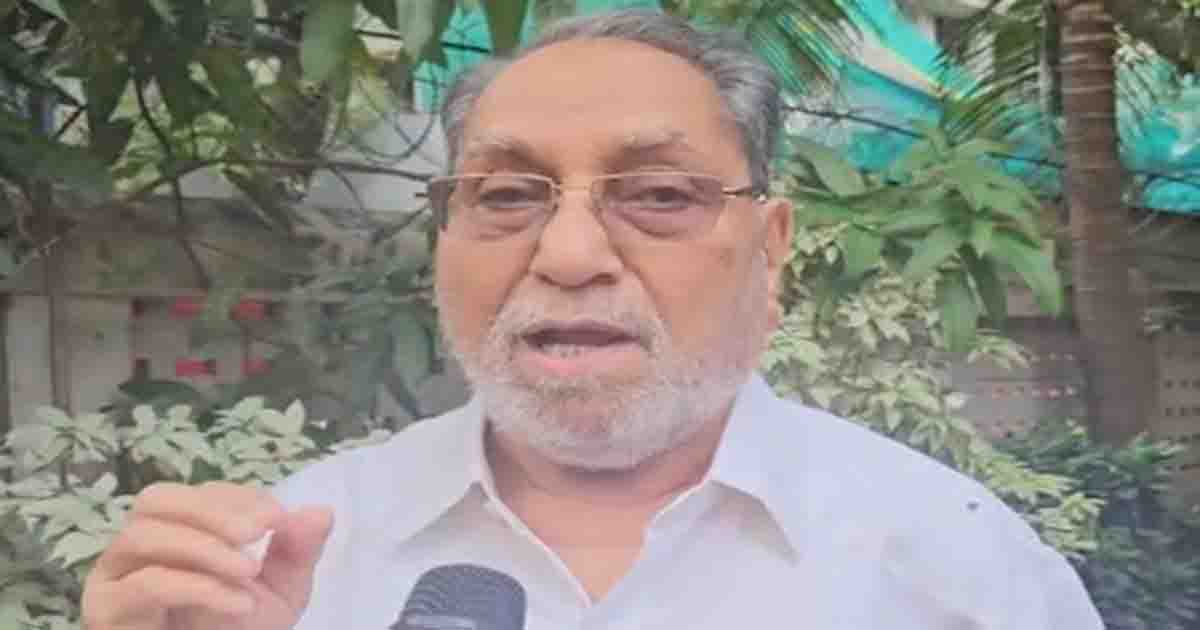
Mumbai, Oct 10: Former Rajya Sabha MP and veteran Congress leader Husain Dalwai has written to Maharashtra Chief Minister Devendra Fadnavis, expressing strong outrage over the detention of senior social activist Firoze Mithiborawala and several other activists across Maharashtra.
Dalwai, in his letter on Friday, said that activists and student union members were traveling to New Delhi to participate in a peaceful rally scheduled for Saturday.
The protest, organised by various student organisations and the Cockroach Janata Party (CJP), aims to demand transparency in the electoral process.
Dalwai stated that the police used high-handed tactics to detain Mithiborawala directly from his residence in Mumbai and kept him in police custody to prevent him from reaching the national capital.
Additionally, several other activists and students travelling by train from Maharashtra were intercepted and detained at various railway stations.
Terming the police action as “authoritarian” and a direct violation of fundamental democratic rights, Dalwai highlighted that the Indian Constitution guarantees freedom of speech, movement, and peaceful assembly. He condemned treating peaceful activists and youth like criminals.
In his appeal, Dalwai urged the Chief Minister to immediately intervene in the matter, take note of the police crackdown, and issue directives to administration officials for the immediate and honourable release of all detained activists and students across the state.
Earlier, the Shiv Sena (Uddhav Balasaheb Thackeray) launched a scathing attack on the Centre, accusing it of driving Indian democracy to its grave.
The Thackeray camp in the party mouthpiece “Saamana” editorial commented on the intensifying political showdown surrounding Chief Election Commissioner (CEC) Gyanesh Kumar, widespread opposition protests, and an unprecedented state-sponsored crackdown on democratic dissent.
The editorial highlighted that Senior Congress leader Rahul Gandhi’s aggressive campaign against CEC Gyanesh Kumar—triggered by allegations of electoral manipulation—has sent shockwaves through the ruling Bharatiya Janata Party (BJP).
It asserted that instead of addressing accusations of systemic electoral irregularities, the ruling establishment is shielding the election chief at all costs, calling the protection of such actions a “betrayal of the nation”.
Condemning the handling of recent demonstrations, the editorial pointed out a glaring double standard by the administration. While Opposition leaders like Rahul Gandhi and Priyanka Gandhi were dragged, manhandled, and bundled into police vehicles during peaceful protests at Jantar Mantar, BJP Mahila Morcha activists staging abrasive demonstrations outside the Congress headquarters were granted absolute immunity by the home ministry, alleged the “Saamana” editorial.
The Thackeray camp claimed that the government planned to deploy around two lakh armed members of Bajrang Dal to Jantar Mantar to crush the opposition’s youth-led “cockroach” movement. It argued that relying on political gangs and “private armies” to violently suppress lawful public dissent invites absolute anarchy and civil unrest.
Maharashtra
Democracy on the edge: Shiv Sena (UBT) attacks Centre over CEC row, crackdown on dissent
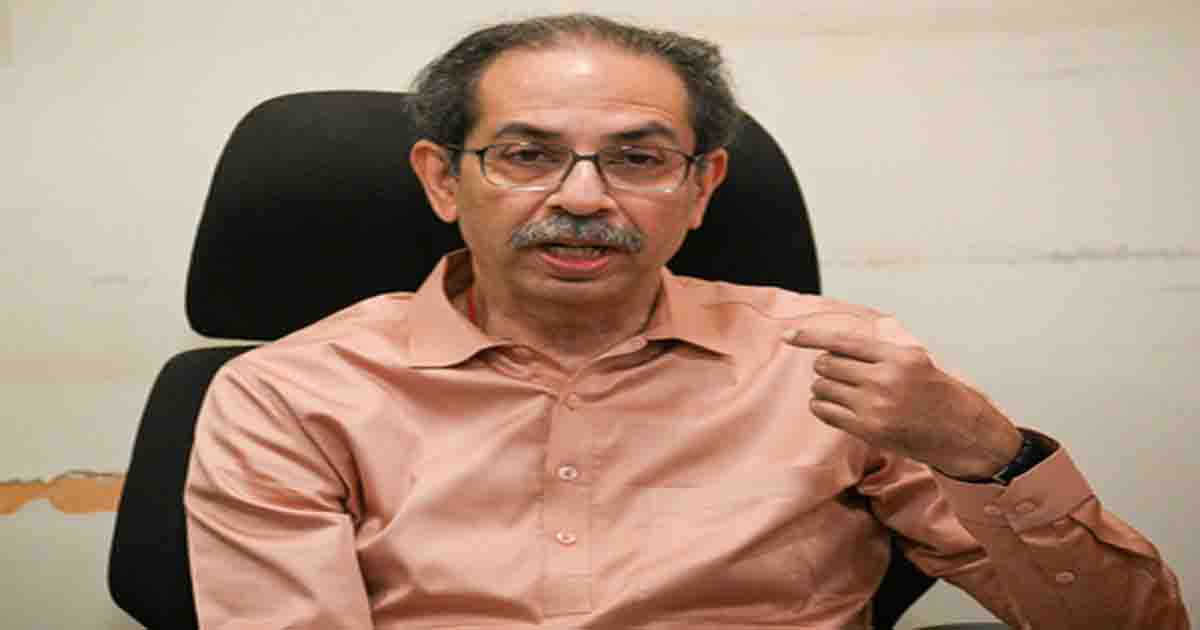
Mumbai, Oct 10: The Shiv Sena (UBT) on Saturday launched a scathing attack on the Centre, accusing it of driving Indian democracy to its grave.
The Thackeray camp in the party mouthpiece Saamana editorial commented on the intensifying political showdown surrounding CEC Gyanesh Kumar and widespread opposition protests demanding his resignation.
The editorial highlighted that Senior Congress leader Rahul Gandhi’s aggressive campaign against CEC Gyanesh Kumar — triggered by allegations of electoral manipulation — has sent shockwaves through the ruling BJP.
It asserted that instead of addressing accusations of systemic electoral irregularities, the ruling establishment is shielding the election chief at all costs, calling protection of such actions a “betrayal of the nation”.
Condemning the handling of recent demonstrations, the editorial pointed out a glaring double standard by the administration. “While opposition leaders like Rahul Gandhi and Priyanka Gandhi were dragged, manhandled, and bundled into police vehicles during peaceful protests at Jantar Mantar, BJP Mahila Morcha activists staging abrasive demonstrations outside the Congress headquarters were granted absolute immunity by the Home Ministry,” alleged the editorial.
The Thackeray camp claimed the government planned to deploy around two lakh armed members of Bajrang Dal at Jantar Mantar to crush the opposition’s youth-led “cockroach” movement.
It argued that relying on political gangs and “private armies” to violently suppress lawful public dissent invites absolute anarchy and civil unrest.
Detailing ongoing administrative blocks, the editorial noted that Delhi Police denied formal permissions for protests, long-distance trains heading toward Delhi were canceled en route, and young demonstrators traveling to participate were intercepted and arrested.
Citing remarks from senior BJP veteran Murli Manohar Joshi regarding Abraham Lincoln’s democratic principles — which emphasise free elections, transparent bureaucracy, and responsible governance — the editorial lamented that none of these tenets survive under the current dispensation, where constitutional bodies face institutional capture.
The Uddhav Thackeray-led Shiv Sena said the current political climate surpasses authoritarian levels, with the ruling administration allegedly willing to break opposition resolve through physical intimidation rather than political accountability.
As opposition parties rally and tensions and friction between state machinery and protestors peak, it warned that public discontent against the erosion of democratic frameworks has reached a critical threshold.

696 kg of poppy husk worth Rs 1.04 crore seized from truck carrying steel coils in Gujarat

JNU sexual crime: Delhi BJP women ask Congress to expel its MP-cum-professor

Pakistan blasphemy laws under scrutiny over relentless minority persecution

Amitabh Bachchan gets emotional listening to late mother Teji Bachchan’s voice ahead of 84th birthday

Over 50 detained during protest against proposed Mata Sita Women varsity in Patna

Gift to President Putin part of PM Modi bid to globally display India’s heritage

PM Modi’s warm camaraderie with Putin, Xi on full display at BRICS Summit

INDIA bloc begins protest march against ECI

Complaint against Netflix & Mukesh Chhabra for inappropriate language on ‘India’s Got Latent 2’

Maha Congress stages agitation against Gyanesh Kumar
-

 Crime4 years ago
Class 10 student jumps to death in Jaipur
-

 Maharashtra2 years ago
Mumbai Local Train Update: Central Railway’s New Timetable Comes Into Effect; Check Full List Of Revised Timings & Stations
-

 Maharashtra2 years ago
Mumbai To Go Toll-Free Tonight! Maharashtra Govt Announces Complete Toll Waiver For Light Motor Vehicles At All 5 Entry Points Of City
-

 Maharashtra2 years ago
False photo of Imtiaz Jaleel’s rally, exposing the fooling conspiracy
-

 National News2 years ago
Ministry of Railways rolls out Special Drive 4.0 with focus on digitisation, cleanliness, inclusiveness and grievance redressal
-

 Maharashtra2 years ago
Maharashtra Elections 2024: Mumbai Metro & BEST Services Extended Till Midnight On Voting Day
-

 National News2 years ago
J&K: 4 Jawans Killed, 28 Injured After Bus Carrying BSF Personnel For Poll Duty Falls Into Gorge In Budgam; Terrifying Visuals Surface
-

 Crime2 years ago
Baba Siddique Murder: Mumbai Police Unable To Get Lawrence Bishnoi Custody Due To Home Ministry Order, Says Report