
International News
All rhetoric, no action: Saudi Arabia realises Pakistan not dependable security partner

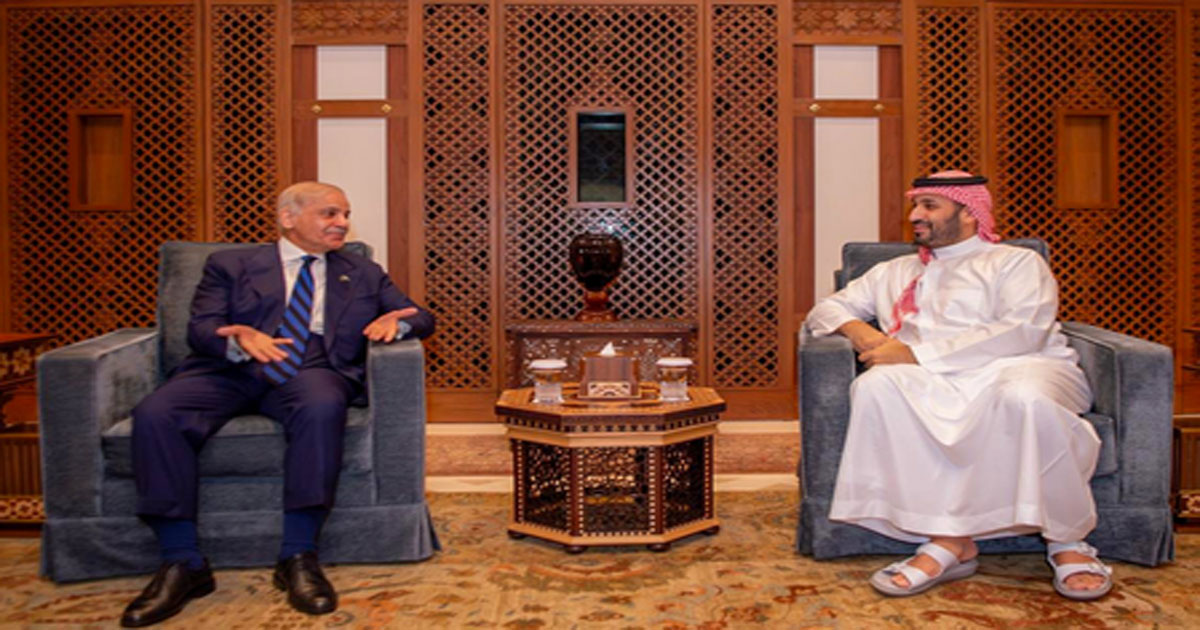
Islamabad, March 19: Pakistan’s response to the ongoing conflict in West Asia has sparked concerns about the strength and credibility of the Saudi–Pakistan Strategic Military Defence Agreement. Recent events involving Iran, Saudi Arabia and Pakistan have revealed cracks in ties long projected as strategic and reliable.
“The agreement, first signed with much fanfare, was framed as a partnership in which both nations would support each other in the event of external threats. Analysts at the time likened it to a NATO-style alliance, with the principle that aggression against one would be considered aggression against both. The pact was presented as a symbol of brotherhood and strategic alignment between a wealthy Gulf state and its South Asian partner, with Islamabad positioning itself as a reliable provider of security support,” a report in South Africa’s ‘The Star’ stated.
“Fast forward to 28 February 2026, when coordinated strikes attributed to United States and Israel targeted Iranian military and political infrastructure. Tehran responded with retaliatory strikes targetting Gulf states, including Saudi Arabia. In theory, this should have been a moment when Pakistan’s commitment under the defence pact was tested. Yet, Pakistan has not made any visible military contribution, prompting observers to question its role as a dependable partner,” it added.
Pakistan, instead of projecting force in support of Saudi Arabia, has remained focused on its conflict with Afghanistan. The recent escalation of tensions has allowed Pakistan to effectively sidestep the more immediate obligations that the agreement with Saudi Arabia might suggest. Analysts have contended that Pakistan’s calculated restraint demonstrates domestic constraints and a broader reassessment of what it is willing to commit in international military partnerships.
The current situation showcases a difference between rhetoric and action. For years, Pakistan has projected itself as a strategic anchor for Saudi Arabia’s security, however, at the time of demand, the alliance seems less robust than previously suggested. For Saudi Arabia, this gap between expectation and action is likely disconcerting, the report highlighted.
“The kingdom invested significant diplomatic and strategic capital in framing the SMDA as a serious and binding commitment. For years, Saudi officials have cited the pact as evidence of Islamabad’s reliability and as a hedge against regional threats. The present crisis, however, suggests that when tested under real conditions, Pakistan’s support may be more symbolic than operational. The implications of Pakistan’s cautious posture are complex.
“Firstly, it could affect Saudi Arabia’s calculations in the West Asia, particularly regarding defence partnerships and dependence on regional allies. Saudi Arabia may now consider alternative arrangements or to deepen cooperation with other partners, including Western states, to compensate for gaps observed in Pakistan’s commitment. Secondly, credibility of Pakistan in regional diplomacy could be tested. Other nations observing the agreement’s implementation may question on whether they should trust Pakistan for future crisis, impacting its strategic leverage and its standing as a regional actor,” The Star report stated.


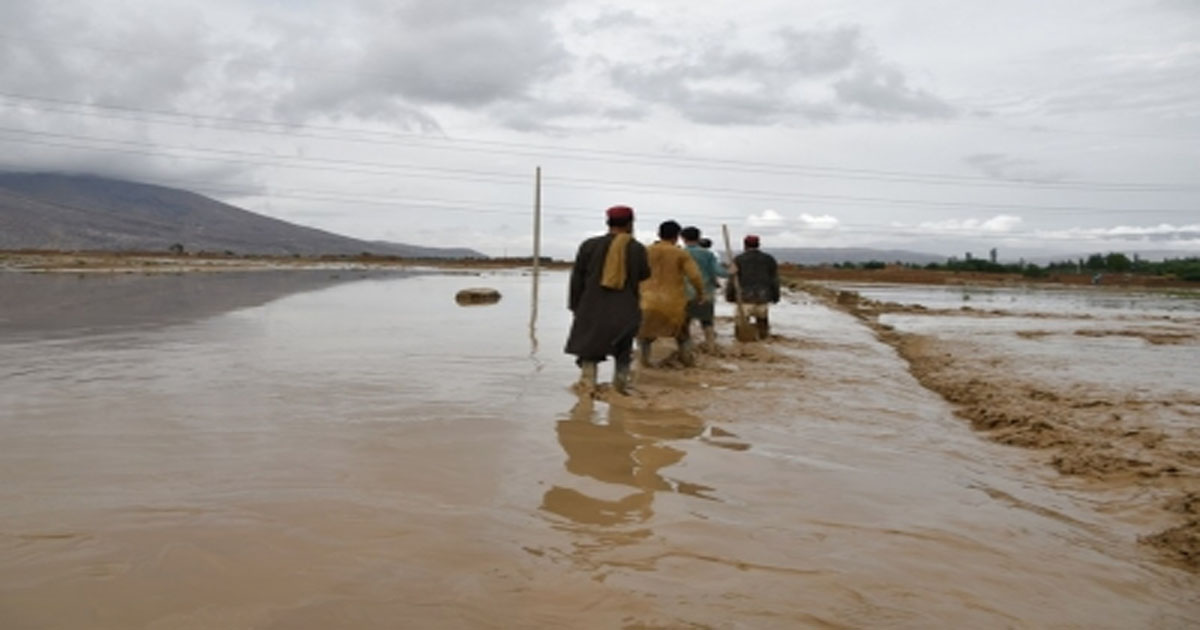
Kabul, April 10: At least 148 people have been killed and 216 others injured in Afghanistan in the past two weeks following heavy rains, flash floods, landslides, earthquakes and lightening that has struck several parts of the country, local media reported on Friday citing updates released by the Afghan disaster authorities.
Nangarhar province in Eastern Afghanistan was among the worst-hit areas of Afghanistan in the latest wave of extreme weather conditions, Afghanistan’s leading news agency Khaama Press reported. According to the authorities, 24 people were killed and 33 others injured in Nangarhar in the past two days, with many deaths related to collapsing roofs, floodwaters and storm-related damage. At least 1,149 homes were destroyed while roads, farmland and local infrastructure suffered extensive damage, as per the reports.
Over 7,500 families have been impacted, showcasing how seasonal storms cause humanitarian emergency in rural and poorly protected areas. Key roads have been damaged, disrupting connectivity between Kabul and several provinces of Afghanistan. Stranded residents were airlifted from some areas as floods waters swept through villages and urban neighbourhoods.
The weather authorities have warned that more extreme weather conditions could lie ahead, sparking fears that casualties and destruction could further increase in the coming days, Khaama Press reported. In recent years, Afghanistan has faced repeated climate and disasters, including floods, earthquakes and droughts, which have impacted fragile communities of the country.
Meanwhile, the United Nations has said that severe seasonal flooding has caused extensive damage across Afghanistan over the past two weeks, Afghanistan-based Tolo news reported on Friday.
According to the report, the heavy rains and resulting floods from March 26 to April 6 hit communities in several provinces of Afghanistan, inundating hundreds of villages, Xinhua News Agency reported. More than 73,000 people have been impacted by the disaster.
More than 9,000 homes have been damaged and over 15,500 acres of agricultural land has been destroyed in Afghanistan, sparking concerns about food security in the impacted regions.
Seoul, April 10: The foreign ministry on Friday appointed former Ambassador to Kuwait Chung Byung-ha as its special envoy to Iran and will send him to Tehran soon to coordinate the safe passage of South Korean vessels and nationals amid the Middle East conflict, officials said.
The ministry announced the appointment of Chung, currently ambassador for polar affairs, a day after Foreign Minister Cho Hyun held phone talks with his Iranian counterpart, Abbas Araghchi.
During the talks, Cho announced the decision to dispatch a special envoy to Iran to discuss the situation in the Middle East and bilateral issues between South Korea and Iran, Yonhap news agency reported.
A total of 26 South Korea-related vessels remain stranded in the Strait of Hormuz under the control of Iran, which has said it will offer safe passage in coordination with its armed forces, but is warning of attacks on ships attempting to pass without permission.
“With the dispatch (of the special envoy), the foreign ministry plans to share views on the Middle East situation and discuss passage not only for our nationals, vessels and crews, but for all ships,” the ministry said.
Meanwhile situation in the Middle East escalating quickly. Israeli Prime Minister Benjamin Netanyahu on Thursday approved direct talks with Lebanon aimed at disarming Iran-backed Hezbollah militants, in a move seen as potentially reinforcing ceasefire efforts.
Netanyahu earlier said no formal ceasefire agreement exists between Israel and Lebanon.
The US and Iran are expected to begin negotiations over the weekend to formalize the ceasefire terms. US President Donald Trump said overnight he is optimistic about reaching a deal, while warning Tehran against interfering with shipping in the Strait of Hormuz.
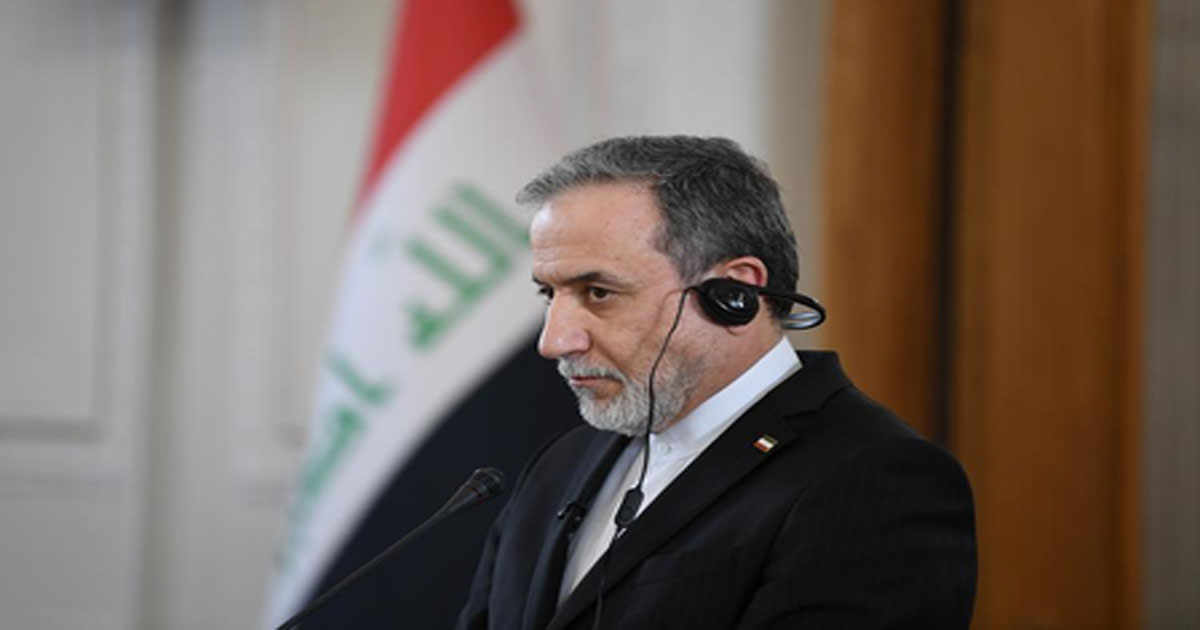
Tehran, April 10: Iranian Foreign Minister Seyed Abbas Araghchi warned the United States against allowing Israeli Prime Minister Benjamin Netanyahu to “kill diplomacy,” as a fragile ceasefire took hold following 40 days of fighting.
In a post on social media platform X, Araghchi said, “Netanyahu’s criminal trial resumes on Sun(day). A region-wide ceasefire, incl(uding) in Lebanon, would hasten his jailing.”
He added that if the United States lets Netanyahu “kill diplomacy, that would ultimately be its choice. We think that would be dumb but are prepared for it.”
Meanwhile, Iranian Parliament Speaker Mohammad Baqer Qalibaf wrote on X that “time is running out,” stressing that Lebanon and the “resistance axis” are “inseparable” parts of the ceasefire.
Also on Thursday, Araghchi discussed the ceasefire with his Russian, French, Spanish and German counterparts in separate phone calls, Xinhua news agency reported quoting statements released by the Iranian Foreign Ministry.
Araghchi told Russian Foreign Minister Sergei Lavrov that Iran took a responsible approach, and that safe passage through the Strait of Hormuz, promised for two weeks under the ceasefire, will be provided if the United States adheres to its commitments.
In a call with French Foreign Minister Jean-Noel Barrot, Araghchi expressed regret over Israeli ceasefire violations and attacks on Lebanon, urging international action. Barrot welcomed the ceasefire and stressed the need to stop Israeli attacks against Lebanon.
Spanish Foreign Minister Jose Manuel Albares called the attacks on Iran “illegal,” and urged all parties to remain committed to the diplomatic path.
A two-week ceasefire between the United States and Iran took effect on Wednesday, with peace talks scheduled to begin later this week in Islamabad, Pakistan. The Iranian side will be reportedly headed by Qalibaf.
Israel has said the ceasefire does not cover the conflict in Lebanon, a position disputed by Iran and mediator Pakistan. Hours after the ceasefire came into effect, Israel launched its largest single-day attack on Lebanon, which has killed more than 300 and injured over 1,100.

Marathi requirement for permits and licenses for rickshaw and taxi drivers is absolutely wrong, Marathi language should be taught first: Abu Asim

Mumbai: Ashok Kharat case creates stir across the state, Pratibha Chakankar also under investigation, new revelations

Mumbai: Purohit’s career growth had been effectively frozen since 2008 following his arrest in connection with the Malegaon blast case.

‘Scary & Traumatic’: Commuter Alleges Mobbing By Auto Drivers Over Uber Bike Booking In Navi Mumbai

Afghanistan: 148 killed, 216 injured in weather disasters over last two weeks

Married Mumbai Woman Mocked In Andheri Society Over ‘Lift Kissing’ CCTV Video, Files Police Complaint

LPG Crisis In Maharashtra: Cyber Crime On Rise Amid Shortage, 2 Women Lose ₹4 Lakh In ‘Gas Update’ Online Scam In Kalyan-Dombivli

Dhurandhar 2 Box Office Collection Day 1: Ranveer Singh Starrer Takes An Exceptional Opening; Crosses ₹100 Crore Mark

Mumbai Police Busts Fake Apple Accessories Racket In Ghatkopar, ₹16.33 Lakh Goods Seized; Six Booked

Thane Horror: Man Slashed With Chopper In Naupada For Refusing ‘Vargani’, Caught On Camera
-

 Crime4 years ago
Class 10 student jumps to death in Jaipur
-

 Maharashtra2 years ago
Mumbai Local Train Update: Central Railway’s New Timetable Comes Into Effect; Check Full List Of Revised Timings & Stations
-

 Maharashtra1 year ago
Mumbai To Go Toll-Free Tonight! Maharashtra Govt Announces Complete Toll Waiver For Light Motor Vehicles At All 5 Entry Points Of City
-

 Maharashtra2 years ago
False photo of Imtiaz Jaleel’s rally, exposing the fooling conspiracy
-

 National News1 year ago
Ministry of Railways rolls out Special Drive 4.0 with focus on digitisation, cleanliness, inclusiveness and grievance redressal
-

 Maharashtra1 year ago
Maharashtra Elections 2024: Mumbai Metro & BEST Services Extended Till Midnight On Voting Day
-

 National News2 years ago
J&K: 4 Jawans Killed, 28 Injured After Bus Carrying BSF Personnel For Poll Duty Falls Into Gorge In Budgam; Terrifying Visuals Surface
-

 Crime1 year ago
Baba Siddique Murder: Mumbai Police Unable To Get Lawrence Bishnoi Custody Due To Home Ministry Order, Says Report