
Maharashtra
Bombay HC Clears Redevelopment Of Lincoln House, Dismisses PIL Citing Lack Of Bona Fides

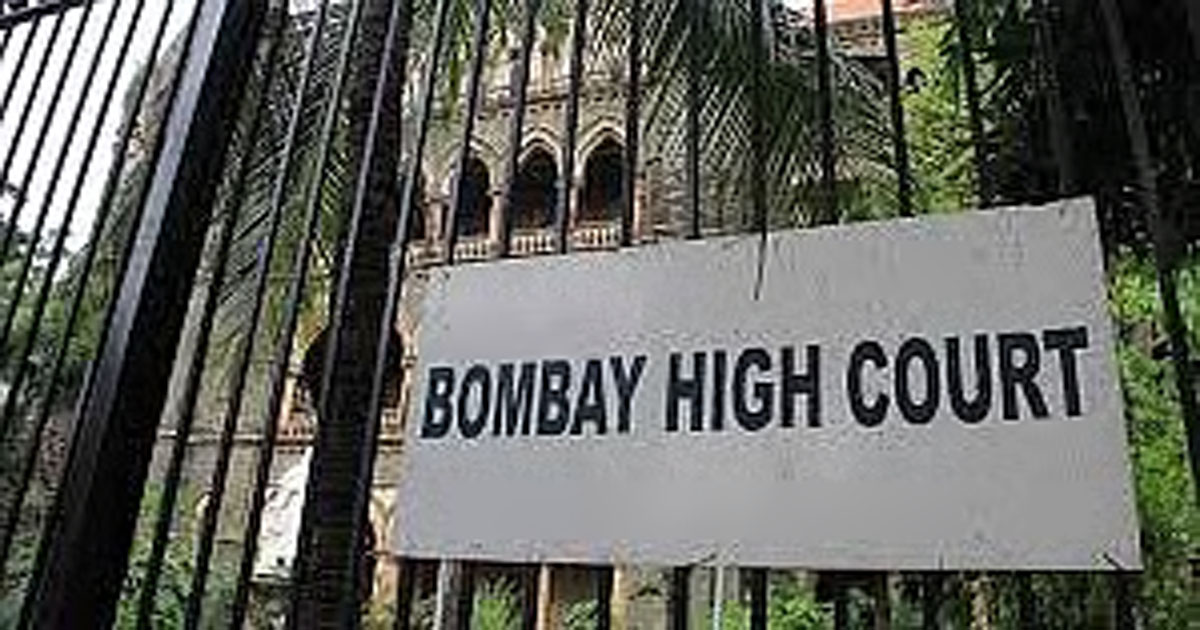
Mumbai: Clearing the way for redevelopment of the iconic Lincoln House on Bhulabhai Desai Road, Breach Candy, in south Mumbai, the Bombay High Court has dismissed a public interest litigation (PIL) challenging approvals granted for the project, holding that the plea lacked bona fides and was driven by private motives.
The petition was filed by the Altamount Road Area Citizens Committee, which alleged that permissions, concessions, and sanctions granted by the BMC to developer M/s Krishna and Company were “arbitrary, illegal and in contravention” of applicable rules. The plea sought cancellation of sanctioned plans and other approvals for the redevelopment.
The petitioners claimed that the authorities had set a “wrong and dangerous precedent” by granting illegal concessions and raised concerns about fire safety, open spaces, and infrastructure stress in the area.
Senior counsel Darius Shroff argued that relaxations granted under Development Control Regulations compromised safety and violated residents’ right to life under Article 21.
However, the State and the developer opposed the plea, contending that all approvals were granted in accordance with applicable Development Control Regulations and subsequent Development Control and Promotion Regulations (DCPR 2034).
Senior counsel Milind Sathe, appearing for the State, submitted that the building plans were sanctioned as per prevailing norms and that the project, being a redevelopment of a cessed structure, was entitled to certain concessions.
A bench of Chief Justice Shree Chandrashekhar and Justice Suman Shyam accepted the respondents’ submissions, noting that the original approvals dated back to 2002 and had been amended from time to time in compliance with regulations. It held that there was “no illegality” in the sanctions granted and that minor discrepancies, if any, could not justify judicial interference.
The petitioner had argued that there was not enough space on all four sides of the building for the passage of the fire tender and it would pose a high risk of loss of life and property if a fire breaks out in the building.
Rejecting concerns over safety, the court observed: “we do not find any basis for such apprehensions. The subject building has inbuilt in-house fire fighting systems which are catered with dual power supply and dedicated water-tank for fire extinguishing purposes.”
Importantly, the bench came down heavily on the maintainability of the PIL. It said, “A petition filed in the garb of public interest litigation cannot be entertained where no material facts constituting a cause in the larger public interest has been disclosed.”
The court further remarked, “The public interest litigation jurisdiction cannot be invoked by a person to further his personal cause or satisfy his personal grudge and enmity.”
Noting delays and lack of prosecution in interim applications, the court held that the process had been “abused”. It also observed that such petitions “obstruct functioning of the government machinery and result in wastage of Court’s invaluable time”.
Dismissing the PIL, the HC vacated the interim order granted in 2018.
Lincoln House in Breach Candy, south Mumbai, is a renowned Grade III heritage sea-facing bungalow purchased by billionaire Cyrus Poonawalla for Rs 750 crore in 2015. Originally known as Wankaner House, it was built in 1933 and formerly served as the U.S. Consulate for nearly six decades.

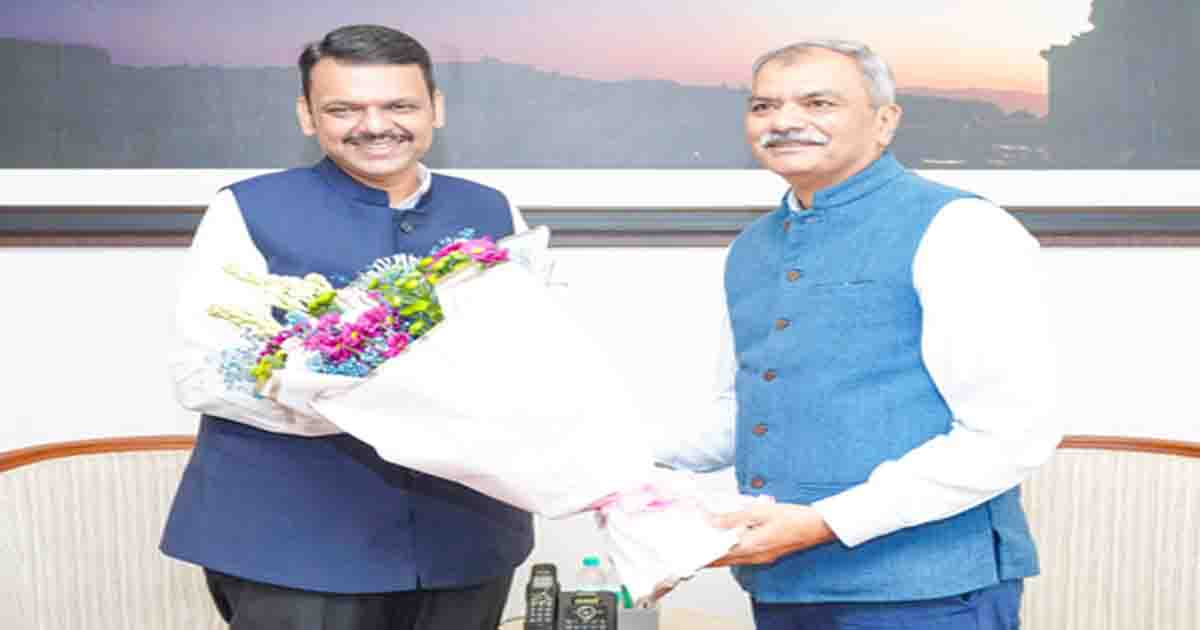
Mumbai, Oct 6: Director General of the Narcotics Control Bureau (NCB) Anurag Garg called on Maharashtra Chief Minister Devendra Fadnavis in Mumbai and discussed measures to intensify the fight against drug trafficking, an official said on Tuesday.
The NCB official said on X, “Detailed discussions were held on the various steps being undertaken by the Ministry of Home Affairs under the Whole-of-Government Approach against drug trafficking and distribution in line with the Central Government’s objective of making the country drug-free by December 2029, along with Maharashtra’s ongoing efforts and the action plan for the coming period.”
“The state continues to be at the forefront of this nationwide mission to build a drug-free Maharashtra,” said the NCB.
Earlier in August, the India-US Counter Narcotics Working Group (CNWG) Pillar I Working Group Meeting was hosted by the Narcotics Control Bureau (NCB) in a hybrid format to strengthen bilateral cooperation in combating narcotics trafficking.
The NCB shared details of the meeting on the social media platform X, stating, “The India-US Counter Narcotics Working Group (CNWG) – Pillar I Working Group Meeting was hosted by the Narcotics Control Bureau on 6 August 2026 in hybrid mode.”
The meeting brought together representatives from several Indian and US agencies. Participants from the Indian side included the NCB, Central Bureau of Narcotics (CBN), Directorate of Revenue Intelligence (DRI), Central Drugs Standard Control Organisation (CDSCO), Ministry of External Affairs (MEA), Department of Revenue and Department of Chemicals and Petrochemicals.
The US delegation included officials from the Drug Enforcement Administration (DEA), LEGAT, Office of National Drug Control Policy (ONDCP) and the US Department of State.
The discussions focused on strengthening operational cooperation, preventing the diversion of precursor chemicals, enhancing policy coordination, and advancing capacity building, said the NCB.
According to the Union Home Ministry, the NCB has strengthened international cooperation in drug control through bilateral agreements with 27 countries and Memoranda of Understanding (MoUs) with 19 countries.
India holds regular Director General (DG) Level/bilateral talks on drug-related matters with countries such as Myanmar, Nepal, Thailand, Sri Lanka, Indonesia, Singapore and the US, said an official.

Navi Mumbai, Oct 6: Navi Mumbai International Airport (NMIA) is strengthening the passenger experience with expanded mobility, transit hospitality and airline support as more flights prepare to shift from capacity-constrained Chhatrapati Shivaji Maharaj International Airport (CSMIA) in Mumbai.
The focus of NMIA, one of India’s largest greenfield airports and operated by Adani Airport Holdings Limited (AAHL), on customer comfort also extends to a futuristic digital art programme and experience zone designed to create a more soothing and engaging environment for passengers.
The measures come ahead of the winter flying schedule, which runs from October 25, 2026, to March 27, 2027.
Maharashtra State Road Transport Corporation will start electric e-Shivai services from October 7 to Dadar, Borivali and Pune, with fares of Rs 170, Rs 210 and Rs 450, respectively. Children below 12 years of age and women travelling with a National Common Mobility Card will be eligible for half-fare.
‘Chalo’ operates 21 daily services to Marol, Bandra, Dadar and Colaba, while Navi Mumbai Municipal Transport runs seven dedicated airport routes.
Bharat Taxi will begin operations with up to 40 vehicles from October 10. Cityflo, Aarya and Chalo will also operate a complimentary hourly shuttle between NMIA and CSMIA.
The airport’s passenger transport network includes 3,787 app-based taxis, 184 car rentals, 171 autorickshaws and 547 buses.
NMIA is also connected to Panvel, Targhar and Bamandongri suburban railway stations, as well as major road corridors including Atal Setu and the Sion-Panvel Highway.
Inside Terminal 1, AAHL will open an 80-room Swirl Transit Hotel in mid-October, offering four-hour and overnight stays, showers, workstations, Wi-Fi and 24-hour dining.
A 21-room Swirl property is also planned at Lokapriya Gopinath Bardoloi International Airport (LGBIA) in Guwahati.
TajSATS’ flight kitchen at NMIA serves more than 40 departing flights a day, with capacity for 7,500 meals daily and expansion to 15,000 as demand rises.
It serves domestic and international carriers, provides local meal uplift for international airlines, and adds to the culinary offering for passengers. TajSATS, which has more than four decades of aviation catering experience, also operates the flight kitchen at CSMIA.
Business
Navi Mumbai Airport expands inflight catering capacity with ‘TajSATS’ ahead of winter season

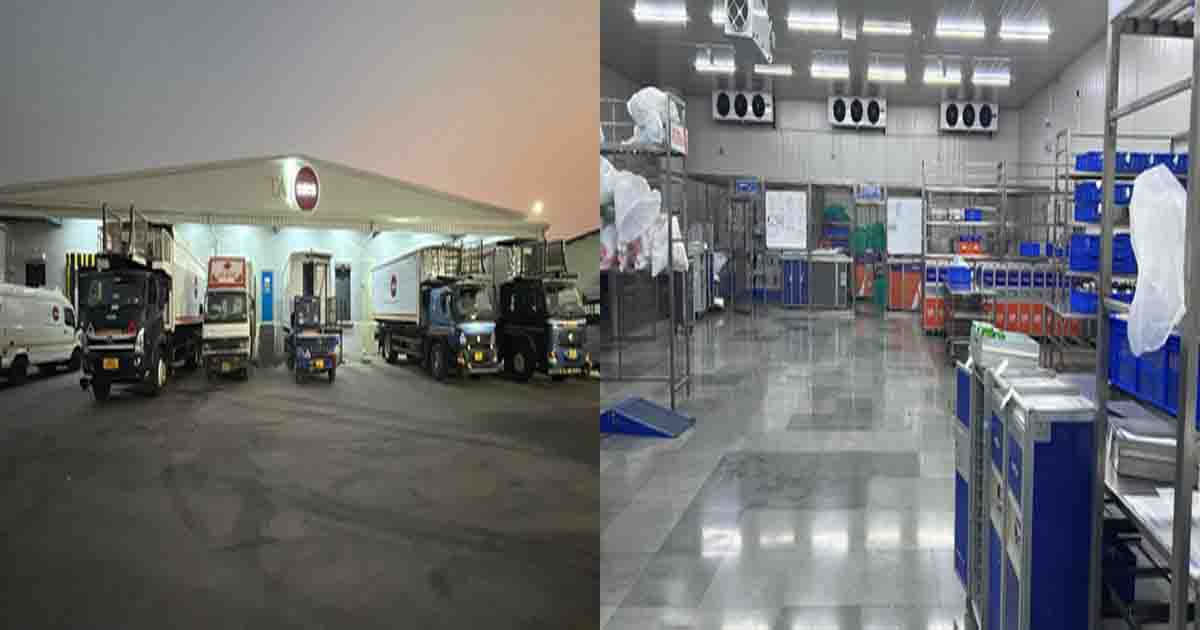
Mumbai, Oct 6: Navi Mumbai International Airport (NMIA) on Tuesday said that its dedicated inflight catering facility — operated by aviation catering company TajSATS — is prepared to support growing airline operations ahead of the Winter 2026-27 schedule, which runs from October 25 to March 27, 2027.
Located within the airport precinct, the flight kitchen currently serves more than 40 departing flights daily and has the capacity to produce up to 7,500 meals a day.
Moreover, the facility can be expanded to produce 15,000 meals daily as airline movements and passenger traffic increase.
“As NMIA expands its airline network, it is important that our supporting infrastructure grows with it,” said Subhash Murikenchery, Chief Airport Officer, Navi Mumbai International Airport.
“The TajSATS flight kitchen gives airlines the flexibility to meet rising demand and enhances the culinary experience for passengers,” he added.
The facility features production infrastructure, refrigeration systems and operational processes designed to respond to changes in airline schedules and demand.
Its location within the airport precinct is intended to facilitate meal delivery to departing aircraft.
NMIA said the facility provides local meal-uplift capabilities for international carriers operating to and from India, offering airlines an additional catering option closer to their point of departure.
“Approximately 40 per cent of international carriers operating from India rely on back catering from their own flight kitchens. NMIA’s inflight catering infrastructure has been developed to support this requirement, alongside the catering needs of domestic carriers,” according to the airport.
The catering infrastructure at NMIA has been developed to support those requirements alongside the needs of domestic carriers.
In addition, the facility offers catering services for both domestic and international airlines and can accommodate a range of dietary requirements, including special meals, allergen-sensitive menus and halal meals.
NMIA said the kitchen complies with food safety and quality standards including Hazard Analysis and Critical Control Points (HACCP), ISO 22000 and regulations of India’s Food Safety and Standards Authority.
TajSATS — which has operated in the aviation catering sector for more than four decades — also runs the flight kitchen at Mumbai’s Chhatrapati Shivaji Maharaj International Airport.
The airport said the facility is already operational and designed to scale in line with future growth in airline connectivity and passenger volumes.

AAP students’ wing to join protests against CEC on Oct 10

Drug-free Maharashtra: CM Devendra Fadnavis, NCB D-G Anurag Garg discuss strategy

CM Yadav promises more job opportunities for youth, announces twice-yearly PSC exams

Maha CM launches ‘Participate Mumbai’ platform to boost CSR-led development partnerships

Navi Mumbai International Airport steps up mobility, hospitality and airline support

Gift to President Putin part of PM Modi bid to globally display India’s heritage

PM Modi’s warm camaraderie with Putin, Xi on full display at BRICS Summit

Corporators of all parties in trouble! Corporators of all major parties including Shiv Sena (UBT), BJP and Congress are facing legal challenges.

Complaint against Netflix & Mukesh Chhabra for inappropriate language on ‘India’s Got Latent 2’

Maha Congress stages agitation against Gyanesh Kumar
-

 Crime4 years ago
Class 10 student jumps to death in Jaipur
-

 Maharashtra2 years ago
Mumbai Local Train Update: Central Railway’s New Timetable Comes Into Effect; Check Full List Of Revised Timings & Stations
-

 Maharashtra2 years ago
Mumbai To Go Toll-Free Tonight! Maharashtra Govt Announces Complete Toll Waiver For Light Motor Vehicles At All 5 Entry Points Of City
-

 Maharashtra2 years ago
False photo of Imtiaz Jaleel’s rally, exposing the fooling conspiracy
-

 National News2 years ago
Ministry of Railways rolls out Special Drive 4.0 with focus on digitisation, cleanliness, inclusiveness and grievance redressal
-

 Maharashtra2 years ago
Maharashtra Elections 2024: Mumbai Metro & BEST Services Extended Till Midnight On Voting Day
-

 National News2 years ago
J&K: 4 Jawans Killed, 28 Injured After Bus Carrying BSF Personnel For Poll Duty Falls Into Gorge In Budgam; Terrifying Visuals Surface
-

 Crime2 years ago
Baba Siddique Murder: Mumbai Police Unable To Get Lawrence Bishnoi Custody Due To Home Ministry Order, Says Report