
Business
Adani’s ACC Ltd clocks 346 pc jump in net profit in Q3, logs highest ever volume

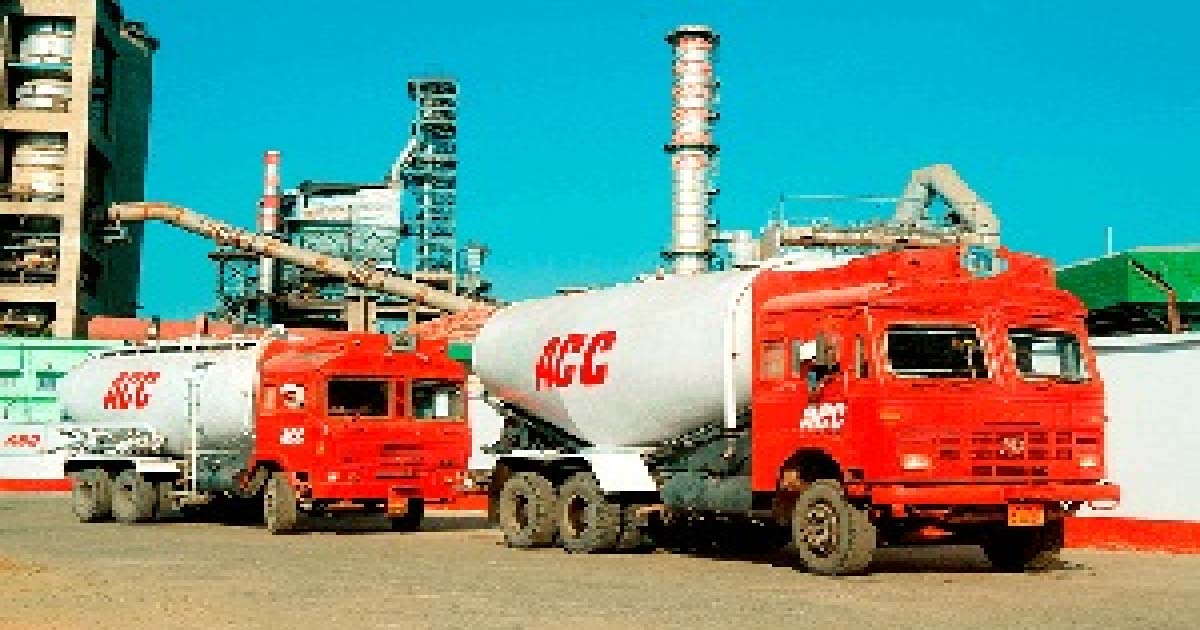
Ahmedabad, Jan 28: Cement major ACC Limited, part of the diversified Adani Portfolio, on Wednesday reported a standout performance for the quarter ended December 31 (Q3 FY26), with profit after tax (PAT) surging by 346 per cent (normalised basis) at Rs 380 crore year-on-year, with highest-ever quarterly revenue at Rs 6,483 crore — up by 22 per cent.
The company also recorded its highest-ever quarterly volume at 11.3 million tonnes, up 15 per cent (on-year).
“We have sustained our growth momentum with another strong quarter, delivering our highest‑ever quarterly volumes. Higher trade and premium cement sales, alongside continued expansion in RMX, have supported better realisations than industry peers and strengthened our market position in core regions,” said Vinod Bahety, Whole-Time Director and CEO, ACC Limited.
The company’s momentum during the quarter reflects transformative steps, chief among which is the announcement of the amalgamation of ACC Limited into Ambuja Cements Limited — establishing a unified ‘One Cement Platform’ that will accelerate its growth trajectory, drive operational excellence, improve capital efficiency, reinforce its industry leadership and support long-term value creation.
“The proposed integration into the One Cement Platform is expected to accelerate both efficiency and growth, enabling deeper synergies across procurement, manufacturing and distribution once statutory approvals are completed,” Bahety mentioned.
Pursuant to the implementation of the new Labour Codes with effect from November 21, 2025, the company has recognised Rs 50 crore as an exceptional expense towards additional Gratuity and Leave Encashment obligations.
Along with the parent company, ACC continues to work on cost leadership and targets to achieve Rs 3,650/ MT by FY28 under the One Cement Platform, it said.
Cement grinding units at Salai Banwa (2.4 MTPA) and Kalamboli (1.0 MTPA) are on track to be commissioned in Q4 FY26, the company informed.
“On the market side, our premium portfolio, led by ACC Gold, continues to deliver superior EBITDA margins, and the increasing share of Trade and Premium is expected to sustain realisation advantages. We are grateful to our customers, our expansive dealer and retailer network of over one lakh partners, and the seven‑lakh‑plus influencers (masons/contractors) who power the Adani Cement Parivar,” said Bahety.
Moreover, the concrete business footprint increased through the addition of 14 plants YoY — and now there are 117 plants spread over 45 cities.


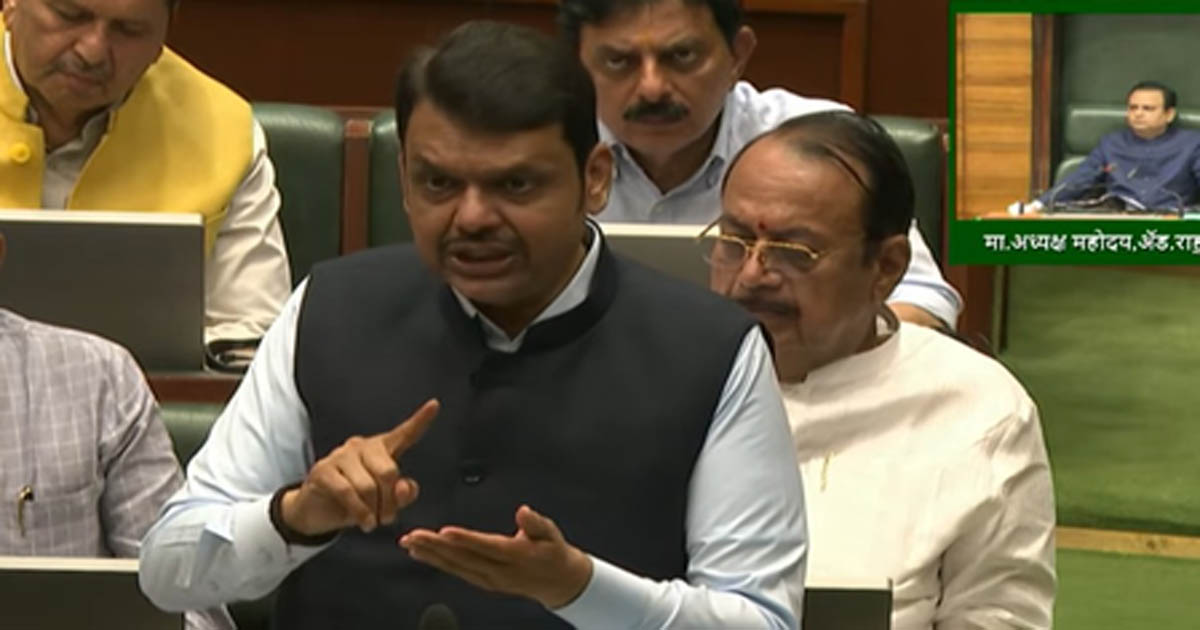
Mumbai, Feb 24: Amid strain on state finances, Maharashtra Chief Minister Devendra Fadnavis, who holds the charge of planning and finance departments, on Tuesday tabled the supplementary demands worth Rs 11,995 crore for the remaining period of the fiscal 2025-26.
Of the Rs 11,995 crore, the state government has earmarked Rs 3,112.85 crore to meet the expenses incurred on the concession given in the electricity tariff to Agriculture pump, power loom and textile consumers in the state, and Rs 803.94 crore has been proposed as incentives to small, medium, large industries and mega projects under the package scheme of incentives.
The government has proposed Rs 4,792.02 crore for transferring the loan amount to the state power distribution company, Mahavitaran, which has been received from the Asian Infrastructure Investment Bank for the solar agriculture pump scheme. This allocation is aimed at pushing the government’s plan to use 52 per cent renewable energy by 2030 under the net zero mission.
The government has also proposed Rs 1,431.05 crore as an additional fund as part of the Central share for the implementation of the Jal Jeevan mission. In March 2025, Ajit Pawar had presented the budget with a revenue deficit of Rs 45,890 crore.
In June 2025, the government presented the supplementary demands worth Rs 57,509.71 crore, crossing the revenue deficit of Rs one lakh crore.
In the Winter Session during December 2025, with supplementary demands of Rs 75,286.37 crore, the revenue deficit had already touched the Rs two lakh crore mark. In addition to the revenue deficit of Rs 45,891 crore, the budget 2025-26 had projected that Maharashtra’s debt burden is set to rise to Rs 9.32 lakh crore. In Tuesday’s supplementary demands, the state government has not only refrained from proposing any new and additional expenses but has focused solely on Power subsidies for farmers and Industry incentives.
CM Fadnavis will present the state budget for the year 2026-27 on March 6. He has already announced in the press conference on Sunday that there could be strict measures to maintain financial discipline.
Earlier, speaking at the World Economic Forum (WEF) annual meeting, the Chief Minister had said that the state is on track to generate 16 gigawatts (GW) of solar power by the end of this year. By 2032, the state aims to generate an additional 45 GW, with 70 per cent coming from solar. Renewable energy, which stood at 13 per cent four years ago, is projected to reach 52 per cent by 2030,” he said.
Following Prime Minister Narendra Modi’s vision, the state launched Asia’s largest decentralised solar scheme.
By shifting the entire agricultural load to solar power and establishing a dedicated company for farmer supply, the state is making every agricultural feeder independent.
“The cost of supplying power to farmers has dropped from Rs 8 to less than Rs 3 per unit. This transition is not only helping farmers but also reducing the financial burden on industries and households,” the Chief Minister noted.
The government is advancing a capital outlay for pumped storage hydro projects (combined capacity of 5,630 MW) with an estimated total investment of Rs 24,631 crore.
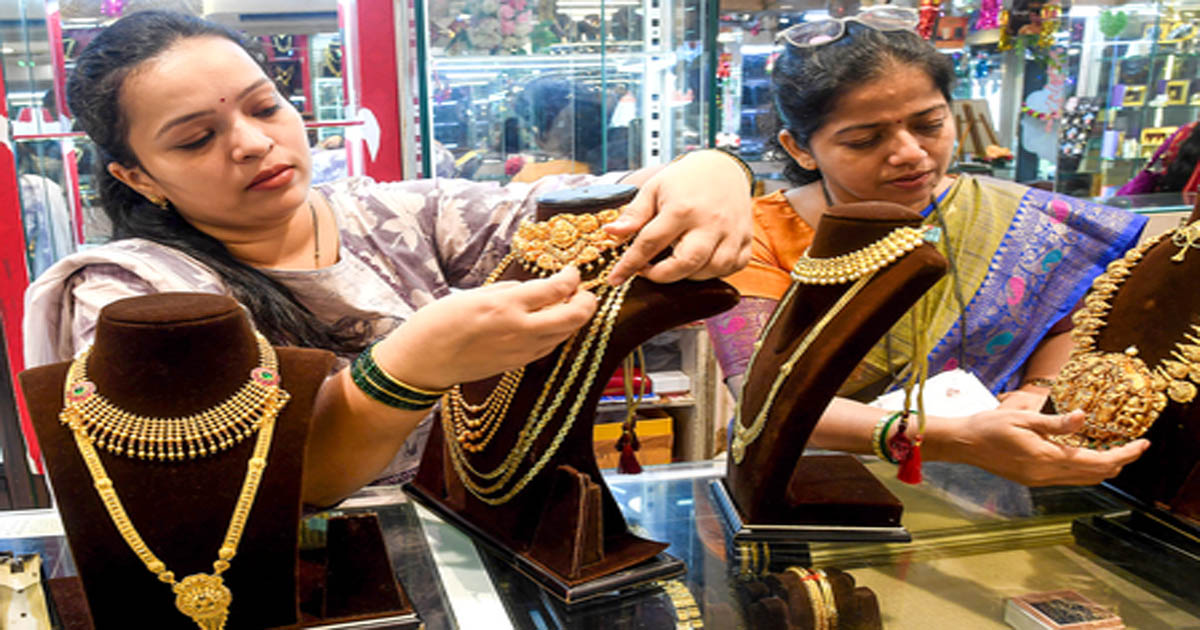
Mumbai, Feb 23: Gold and silver prices surged significantly on Monday, amid growing geopolitical tensions and the US dollar’s steep fall.
MCX gold April futures gained 1.83 per cent to Rs 1,59,749 per 10 grams on an intra-day basis. Meanwhile, MCX silver March futures gained 5.10 per cent to Rs 2,65,836 per kg.
Earlier in the day, gold had jumped 2 per cent while silver soared 6 per cent. Analysts attributed the surge to geopolitical tensions as US President Donald Trump’s 10-day deadline for a “meaningful deal” with Iran drew closer.
Iran has indicated it is prepared to make concessions on its nuclear programme in talks with the US in return for the lifting of sanctions and recognition of its right to enrich uranium, as it seeks to avert a US attack.
Further, the dollar fell after the US Supreme Court struck down a vast swathe of President Trump’s tariffs on Friday.
“The US Supreme Court’s decision to strike down a large swath of Trump’s tariffs has weakened his ability to threaten and impose tariffs at a moment’s notice, but it won’t end gnawing uncertainty for trade partners or companies,” said Manav Modi, Commodities Analyst, Motilal Oswal Financial services Ltd.
“Silver is witnessing a large draw of inventories from all warehouses especially, Comex very significantly indicating the tightness in supply and surge in demand as China remains shut,” the analyst said.
Concerns over slowing US economic growth are also supporting gold’s safe-haven appeal. The US GDP rose 1.4 per cent annually in the fourth quarter, down from 4.4 per cent in the July-September quarter and 3.8 per cent in the April-June quarter.
“Gold has support at Rs 1,54,400 and Rs 1,53,150 while resistance at Rs 1,59,100 and Rs 1,60,600. MCX silver has support at Rs 2,48,800 and Rs 2,42,000, and resistance is at Rs 2,57,700 and Rs 2,63,620,” an analyst said.
Markets remain keen on data from US factory orders, cues on consumer confidence data, and US Producer Price Index (PPI) data.
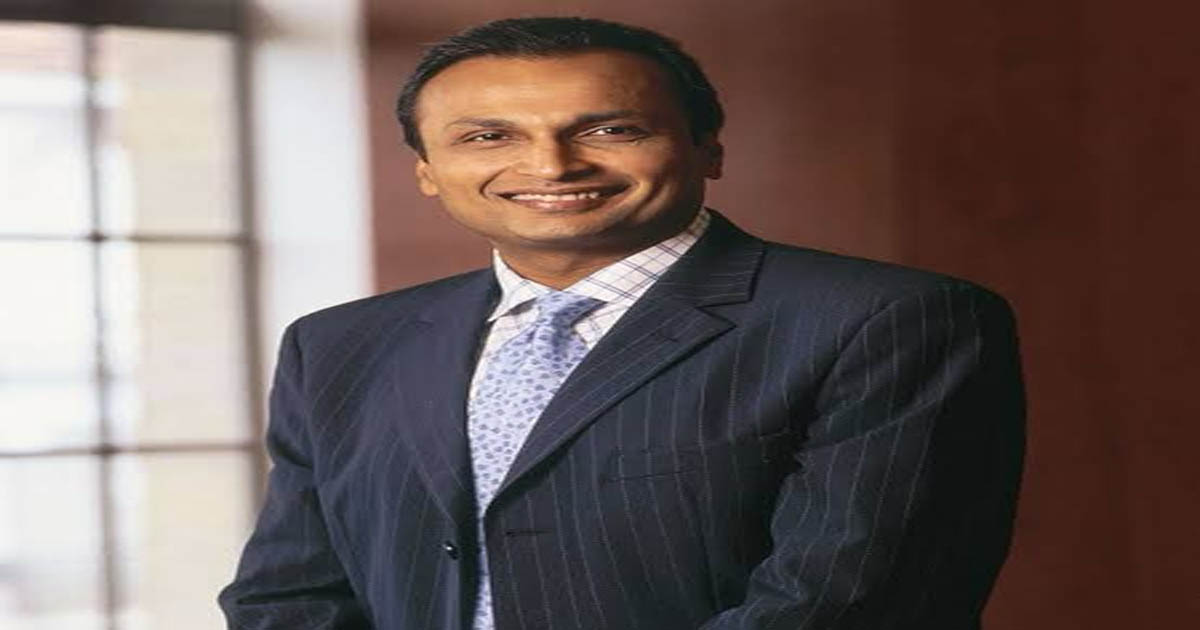
New Delhi, Feb 19: Industrialist Anil D. Ambani has filed an undertaking/compliance affidavit before the Supreme Court reiterating that he will not leave the country without prior permission of the apex court in connection with the ongoing probe into alleged large-scale bank loan frauds linked to Reliance Communications Ltd (RCOM) and its group entities.
The affidavit has been filed in a pending public interest litigation (PIL) seeking a court-monitored probe into the allegations that more than Rs 1.50 lakh crore of debt of the Ambani-led RCOM group has been written off and that funds were siphoned off through multiple shell companies.
The affidavit formally reiterates the oral undertaking recorded before the apex court on February 4, when senior advocate Mukul Rohatgi, appearing on his behalf, assured that Ambani would not leave India without prior permission of the top court.
“By way of the present affidavit, I formally reiterate and place on record the said statement by virtue of the present affidavit as an undertaking before this Hon’ble Court,” Ambani stated.
He further deposed on oath: “That I have not left India since July 2025, i.e., since the inception of the present investigations, and presently have no plan or intention to travel outside India.”
He added that if any requirement of foreign travel arises, he would seek prior leave and permission of the Supreme Court before undertaking such travel.
Asserting that he is not a flight risk, the affidavit states: “In view of the above conduct, undertakings, and continued cooperation, it is evident that I am not a flight risk and have no intention, whatsoever, to evade the process of law.”
Ambani also stated that he has been fully cooperating with the investigating agencies. “That I, with utmost bona fide, have been fully cooperating with the investigating agencies in connection with the ongoing investigations and continue to extend complete cooperation,” the affidavit reads.
Referring to the ongoing probe under the Prevention of Money Laundering Act, 2002, he stated that examination under Section 50 of the PMLA is presently being conducted during the pendency of proceedings before the apex court.
“That I have been summoned by the Directorate of Enforcement to appear on 26.02.2025 and I undertake to appear and join the investigation on the said date,” the affidavit said, while also undertaking to fully cooperate with the authorities and “preventing any suggestion of evasion or selective presentation of facts.”
Clarifying his role in the group companies under scrutiny, Ambani submitted: “That I respectfully state that my role in the concerned companies had been that of a Non-Executive Director only, and I was not involved in the day-to-day management or operational affairs of the said companies.”
In the affidavit sworn on February 18, he stated: “That the present affidavit is being filed to ensure clarity, completeness, and procedural transparency in the judicial record with an intent that this Hon’ble Court remains seized of the broader issues arising from the same factual matrix.”
Ambani’s undertaking comes against the backdrop of the Supreme Court’s February 4 order, where a Bench headed by Chief Justice of India (CJI) Surya Kant had expressed serious concern over an “unexplained delay” by the Enforcement Directorate (ED) and the Central Bureau of Investigation (CBI) in probing alleged bank loan frauds involving public funds estimated at around Rs 40,000 crore.
The CJI Kant-led Bench had directed the ED to constitute a Special Investigation Team (SIT) of senior officers and asked both Central agencies to take the investigation to its “logical conclusion” in a time-bound manner, while making it clear that no coercive or harsh orders were being passed at that stage.
During the hearing, apprehensions were raised by advocate Prashant Bhushan that the key accused could flee the country before completion of the probe, following which an undertaking not to travel abroad without apex court permission was recorded.
The Supreme Court had also directed the ED and the CBI to file detailed status reports on the progress of their investigations and questioned why only a single FIR had been registered despite complaints from multiple lenders, observing that each complaint constitutes a separate transaction warranting independent examination.

Abu Asim response to Nitesh Rane’s statement that madrasas are the base of terrorism: Rane is a liar

Mumbai Municipal Corporation presents budget with deficit of Rs 80,952.56 crore for 2026-27, 8.77% increase in expenditure over last year’s estimate

Mumbai: Ajit Pawar plane crash, Marine Drive police station refuses to register case against MLAs

Maharashtra madrasas are a hotbed of terrorism, Nitesh Rane’s venom after a video of students being beaten up in madrasas went viral

Four held for IDFC First Bank fraud; amount transferred to private firm

Mumbai Traffic Update: Heavy Vehicles Banned In City From February 1 During Peak Hours; What’s Allowed & What’s Not?

Mumbai Crime: One Critical Among 5 Injured After Violent Group Clash Breaks Out In Nagpada, 13 Detained

Target to complete all works of Vidya Vihar Flyover by June 25, 2026, Additional Municipal Commissioner (Project) inspects site

Mumbai Crime: 50-Year-Old Taxi Driver Arrested For Cheating American National Of ₹18,000 For 400-Metre Ride Near Airport

Mumbai Crime: Undertrial Prisoner Assaults Policeman Inside Arthur Road Jail, Case Registered
-

 Crime4 years ago
Class 10 student jumps to death in Jaipur
-

 Maharashtra1 year ago
Mumbai Local Train Update: Central Railway’s New Timetable Comes Into Effect; Check Full List Of Revised Timings & Stations
-

 Maharashtra1 year ago
Mumbai To Go Toll-Free Tonight! Maharashtra Govt Announces Complete Toll Waiver For Light Motor Vehicles At All 5 Entry Points Of City
-

 Maharashtra1 year ago
False photo of Imtiaz Jaleel’s rally, exposing the fooling conspiracy
-

 National News1 year ago
Ministry of Railways rolls out Special Drive 4.0 with focus on digitisation, cleanliness, inclusiveness and grievance redressal
-

 Maharashtra1 year ago
Maharashtra Elections 2024: Mumbai Metro & BEST Services Extended Till Midnight On Voting Day
-

 National News1 year ago
J&K: 4 Jawans Killed, 28 Injured After Bus Carrying BSF Personnel For Poll Duty Falls Into Gorge In Budgam; Terrifying Visuals Surface
-

 Crime1 year ago
Baba Siddique Murder: Mumbai Police Unable To Get Lawrence Bishnoi Custody Due To Home Ministry Order, Says Report