
Business
Foreign investors make notable return to Indian equity markets in April

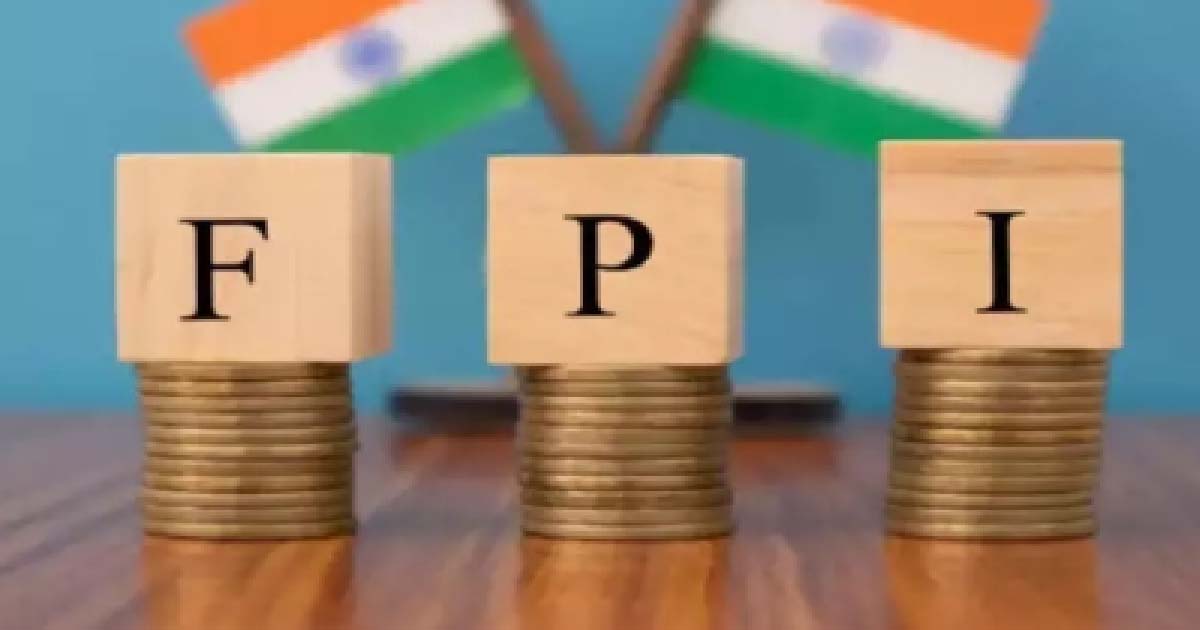
New Delhi, April 26: Foreign investors have made a notable return to Indian equity markets this month, emerging as net buyers over the past two weeks, analysts said on Saturday.
In just the last seven trading sessions, foreign portfolio investors (FPIs) have turned decisively positive on Indian equities. This shift is largely attributed to a weakening US dollar, revisit of tariff agreements and a renewed sense of optimism surrounding India’s economic trajectory.
“Amid a challenging global backdrop, marked by sluggish growth in major economies like the United States and China, India continues to stand out higher for its economic resilience,” said Manoj Purohit, Partner and Leader, FS Tax, Tax and Regulatory Services, BDO India.
India is forecast to grow at a robust rate of over 6 per cent in FY26 and remains the only fastest-growing economy, making it a compelling destination for global investors.
“FPI inflows are expected to remain strong in the near term, providing additional support to the ongoing market rally. As global investors reassess their strategies, India’s economic fundamentals and earnings potential position it as a beacon of stability and growth in a turbulent events happening globally,” Purohit explained.
This month (till April 24), FPIs purchased equities worth Rs 22,716.43 crore while they sold equities worth Rs 17,196.33 crore, with net investment of Rs 5,520.1 crore.
Last month, FPIs ramped up buying in the second half of March 2025, driving a recovery in select sectors. BFSI led the inflows with a turnaround from $380 million selling to $2,055 million buying, netting $1,675 million for the month.
Telecommunications and metals and Mining also saw net inflows of $360 million and $219 million, respectively, according to a recent note by Bajaj Broking. Overall, FPI interest remained focused on BFSI, with most other sectors facing continued selling pressure.
With a strong economic outlook, policy reforms and a resilient market, India remains an attractive destination for global capital. The government’s continued focus on infrastructure, digital growth, and ease of doing business further boosts investor confidence.
The recent move by RBI to keep the existing corporate bond and G-sec limits unchanged for foreign portfolio investors (FPIs) is a testimony of the government’s intent to keep gateway open for offshore participants to continue infusing funds in India market.

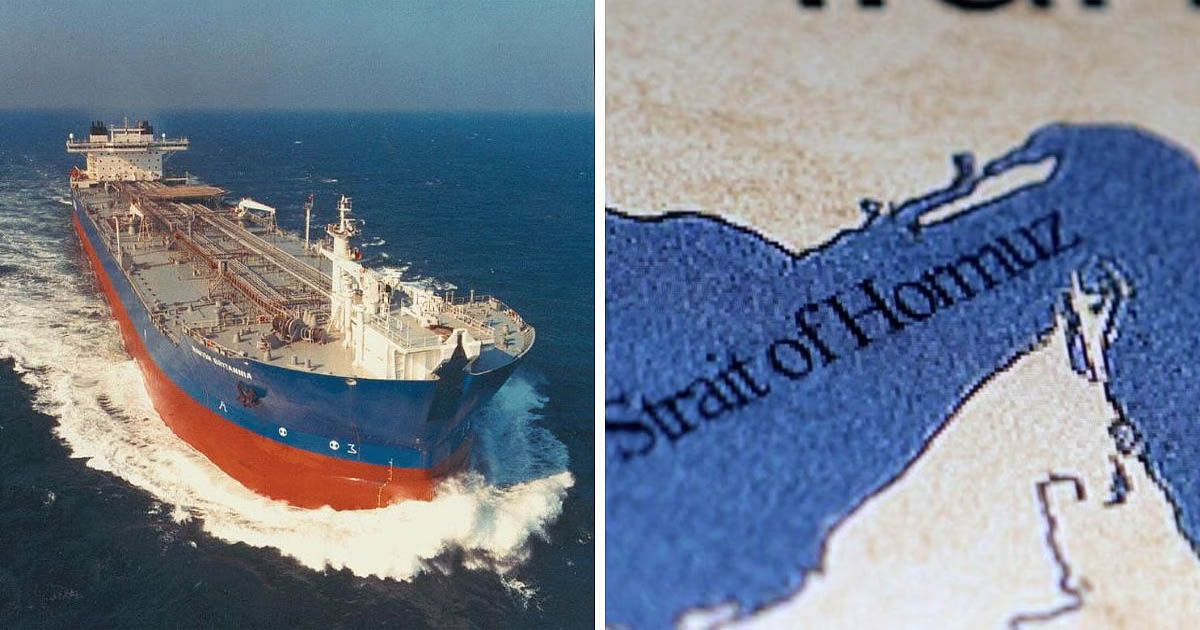
New Delhi: Iranian Ambassador Mohammad Fathali’s words of reassurance that India will receive safe passage through the Strait of Hormuz will certainly gladden Indian hearts. The Iranian envoy to India told reporters that “changes would be seen in two-three hours,” suggesting that ships carrying Indian oil and Indian nationals may be safe while going through the Strait.
The reality isn’t that simple. India is dependent on 40% of its oil from the Strait of Hormuz, but there’s a catch. Energy experts say that Indian ships do not pick up oil from the Strait but have so far outsourced it to foreign tankers.
The main reason for this is insurance. Due to the Strait being so geopolitically sensitive, insurance costs are very high, and therefore Indian Oil Corporation (IOC) or BPCL prefer to outsource it.
There is another advantage to outsourcing the oil to foreign tankers – Indian oil companies do not have to own the fleet.
India could attach its flag to the foreign tankers, but naval regulations state that there must be a minimum number of Indian crew members on the ship, along with other regulations that have to be met before the Indian flag can be put on the tanker.
If there is no flag, there is no way that an Iranian ship can detect if a ship is carrying Indian oil or not.
Coming to Indian crew members, India is one of the top three nations in the world that supplies sailors.
Government data shows the number of Indian sailors has grown from around 1.25 lakh a decade ago to more than three lakh now. Indians now comprise around 10–12% of the total number of sailors in the world.
The problem for India is that most of the Indian crew members work on oil tankers, containers, LPG vessels and bulk carriers on foreign tankers and are at great risk when naval warfare takes place.
The Ministry of Ports, Shipping and Waterways has confirmed three Indian seafarers died, with four others injured in maritime attacks around the strait amid escalating hostilities. Naval experts believe the figure is likely to be much higher.
Despite these problems, some level of coordination seems to be taking place between India and Iran.
Agency reports said that on Thursday, the Suezmax tanker Shenlong, carrying Saudi crude, arrived at a port in Mumbai after transiting the strait. The Liberia-flagged vessel was the first crude carrier to reach India from the Middle East since the war between Iran and the United States and Israel broke out in late February, according to LSEG data.
The customer is state-run Bharat Petroleum Corp.
But the lack of a formal agreement between the Iranian Navy and tankers carrying Indian oil suggests the Iranian envoy’s assurance does not guarantee a safe maritime corridor.
An MEA official says talks are on to make this happen, but so far Iran has not provided such assurance. In turn, Iran wants assurance from New Delhi that it will provide a joint statement from BRICS nations condemning the US-Israeli aggression.
India currently holds the chairmanship of BRICS, and so far there has been no joint statement. This has not been viewed well by Iran, which is a full member of BRICS.
Business
Mumbai: Police Bust LPG Black-Marketing Racket In Worli; 64 Cylinders Seized Amid Panic Booking Surge

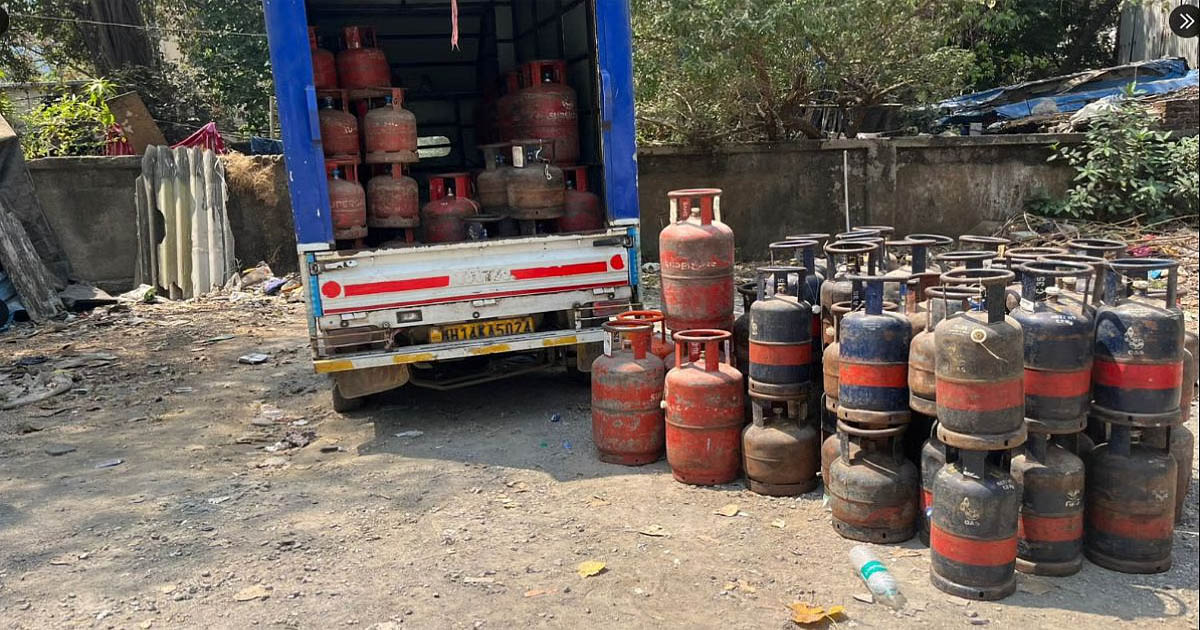
Mumbai: Authorities in Mumbai have busted a gas cylinder black-marketing racket in Worli and seized several LPG cylinders during an operation, Mumbai Police said. The action comes at a time when concerns over cooking gas availability have triggered panic bookings in parts of the country.
During the raid, officials recovered six filled and 58 empty HP Gas cylinders along with several other cylinders from the location. Police said the stock was being illegally stored inside residential premises. The seized cylinders have been handed over to Worli Police Station, where further legal action is being initiated against those involved in the illegal storage and distribution.
Officials stated that storing and selling LPG cylinders outside authorised channels poses serious safety risks, especially in residential areas where such stockpiling can lead to fire hazards and other emergencies. Authorities are now investigating the source of the cylinders and the possible distribution network linked to the racket.
The development comes amid heightened demand for LPG across the country, the Union government on Friday said it is ensuring uninterrupted supply of cooking gas to households despite a surge in panic bookings. Consumers have been advised not to rush to dealerships or place unnecessary refill orders.
At a media briefing on Friday, Sujata Sharma, Joint Secretary in the Ministry of Petroleum and Natural Gas, said fears of a shortage have led to a sudden spike in LPG cylinder bookings in recent days, even though supplies remain adequate across the country. She emphasised that LPG distributors currently have sufficient stocks and that supply chains are functioning normally.
The government has also advised nearly 60 lakh households located near piped natural gas (PNG) networks to consider switching to piped connections for convenience. Sharma warned that strict action will be taken against hoarders and black marketers attempting to exploit the crisis triggered by the ongoing conflict in West Asia.
While LPG supply to households, hospitals, and educational institutions continues to be prioritised, supplies to commercial establishments such as hotels and restaurants have been curtailed due to disruptions in energy sourcing linked to the geopolitical tensions in the region.
To stabilise supply, the Centre has increased domestic production by 30 per cent since March 5 by diverting refinery streams to maximise cooking gas output. Additionally, around 20 per cent of commercial LPG supplies have been placed with state governments and Union Territories, allowing local administrations to decide priority allocation based on regional requirements.
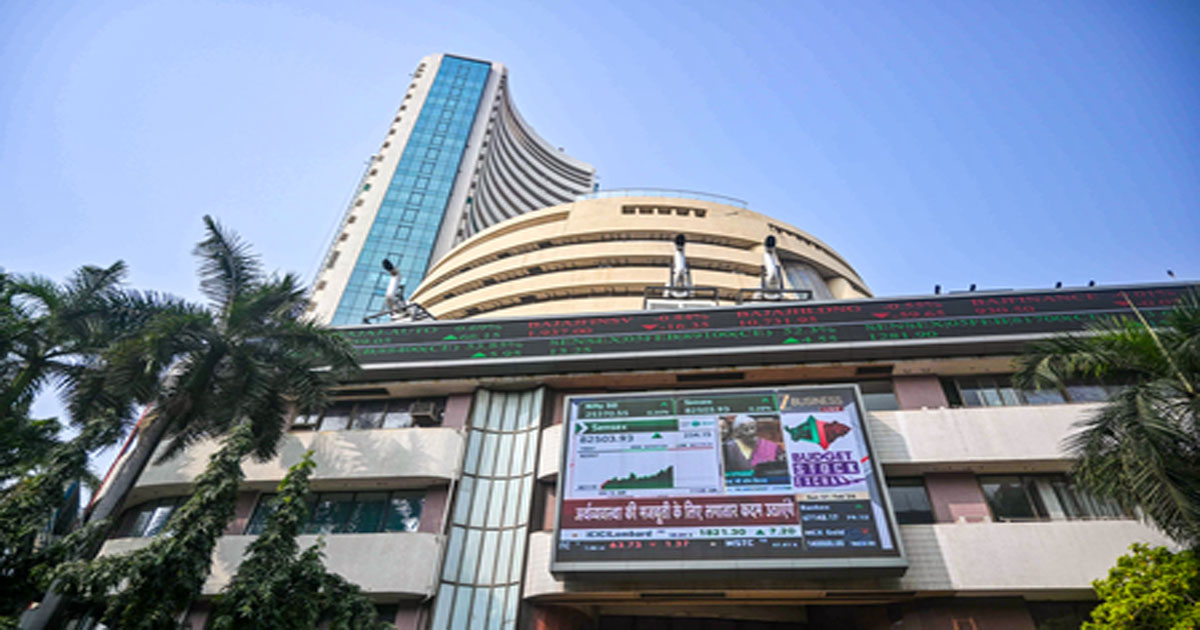
Mumbai, March 11: The Indian equity markets posted moderate losses in early trade on Wednesday over cautious sentiment amid the ongoing war between US-Israel and Iran, leading to the prolonged closure of the Strait of Hormuz.
As of 9.25 am, Sensex lost 109 points, or 0.14 per cent, to reach 78,096 and Nifty eased 26 points, or 0.11 per cent to reach 24,234.
Main broad-cap indices showed divergence with the benchmark indices, as the Nifty Midcap 100 gained 0.72 per cent, and the Nifty Smallcap 100 added 0.85 per cent.
All sectoral indices traded in green except Nifty FMCG, financial services and private banks. Private banks led the losses down 0.73 per cent. Nifty media, metal and consumer durables were among the top gainers, up 1.52 per cent, 1.58 per cent and 1.25 per cent, respectively.
Near-term resistance for Nifty is placed at 24370-24416 area, while strong support spans the 23700-24080 zone, analysts said.
Derivatives data from yesterday’s session showed that foreign investors and proprietary traders remained positive, while retail investors went bearish, they added.
Resistance for Bank Nifty is seen near 57,200–57,300 zone, while support is located in the 56,600–56,700 zone, market participants said.
Sectorally, auto, financials, and consumer-oriented stocks led the recovery in the previous session, while some pressure was seen in select IT and oil & gas counters. Broader markets also remained firm, with midcap and small-cap stocks outperforming the frontline indices, reflecting selective buying interest across sectors.
On Wednesday, markets remained unsettled over fading hopes for an early end to the US-Israeli war on Iran and stagflation concerns compounded by US President Donald Trump’s threat of retaliations following reports of Iran mining the Strait of Hormuz.
Oil prices which had earlier this week touched $120 a barrel, dropped below 90-mark over reports of a group of countries planning to tap emergency crude reserves to mitigate disruption caused by the conflict.
International Brent crude was down 0.44 per cent at $87.39 per barrel early on Wednesday.
In Asian markets, China’s Shanghai advanced 0.05 per cent, and Shenzhen added 0.85 per cent, Japan’s Nikkei moved up 2.48 per cent, and Hong Kong’s Hang Seng Index surged 0.33 per cent. South Korea’s Kospi gained 3.41 per cent.
The US markets ended mixed overnight as Nasdaq added 0.01 per cent. The S&P 500 lost 0.21 per cent, and the Dow Jones declined 0.07 per cent.
On March 10, foreign institutional investors (FIIs) net sold equities worth Rs 4,685 crore, while domestic institutional investors (DIIs) were net buyers of equities worth Rs 6,250 crore.

Minorities ignored in Maharashtra budget: Manoj Jamsutkar

‘No Shortage Of LPG’: Maharashtra CM Devendra Fadnavis Blames Congress Of ‘Creating Panic Leading To Long Queues’

Mumbai Local Train Update: Mega, Jumbo Blocks Announced On Western & Transharbour Lines On March 15; Check Time & Route Here

Navi Mumbai: Crime Branch Nab Trio In Swift ₹36 Lakh Jewelry Heist

India’s Oil Lifeline Through Strait Of Hormuz Faces Uncertainty Despite Iran’s Assurances

Salim Khan hospitalised following complaints of swelling

Threatening WhatsApp Audio Note To Ranveer Singh And Rohit Shetty Goes Viral; Voice Linked To Harry Boxer Under Verification

Mulund Horror: Maharashtra CM Devendra Fadnavis Expresses Grief After 1 Killed In Mumbai Metro 4 Slab Collapse; ₹5 Lakh Aid Announced For Deceased

Mumbai: JBCN International School In Borivali Gets Bomb Threat, Search Reveals Hoax, Students Safe

Former Arsenal Star Mesut Ozil’s Convoy Gets Involved In Road Accident During Bangladesh Visit
-

 Crime4 years ago
Class 10 student jumps to death in Jaipur
-

 Maharashtra1 year ago
Mumbai Local Train Update: Central Railway’s New Timetable Comes Into Effect; Check Full List Of Revised Timings & Stations
-

 Maharashtra1 year ago
Mumbai To Go Toll-Free Tonight! Maharashtra Govt Announces Complete Toll Waiver For Light Motor Vehicles At All 5 Entry Points Of City
-

 Maharashtra1 year ago
False photo of Imtiaz Jaleel’s rally, exposing the fooling conspiracy
-

 National News1 year ago
Ministry of Railways rolls out Special Drive 4.0 with focus on digitisation, cleanliness, inclusiveness and grievance redressal
-

 Maharashtra1 year ago
Maharashtra Elections 2024: Mumbai Metro & BEST Services Extended Till Midnight On Voting Day
-

 National News1 year ago
J&K: 4 Jawans Killed, 28 Injured After Bus Carrying BSF Personnel For Poll Duty Falls Into Gorge In Budgam; Terrifying Visuals Surface
-

 Crime1 year ago
Baba Siddique Murder: Mumbai Police Unable To Get Lawrence Bishnoi Custody Due To Home Ministry Order, Says Report