
Business
South Korea: Democratic Party’s presidential contenders to hold another public debate for primary race

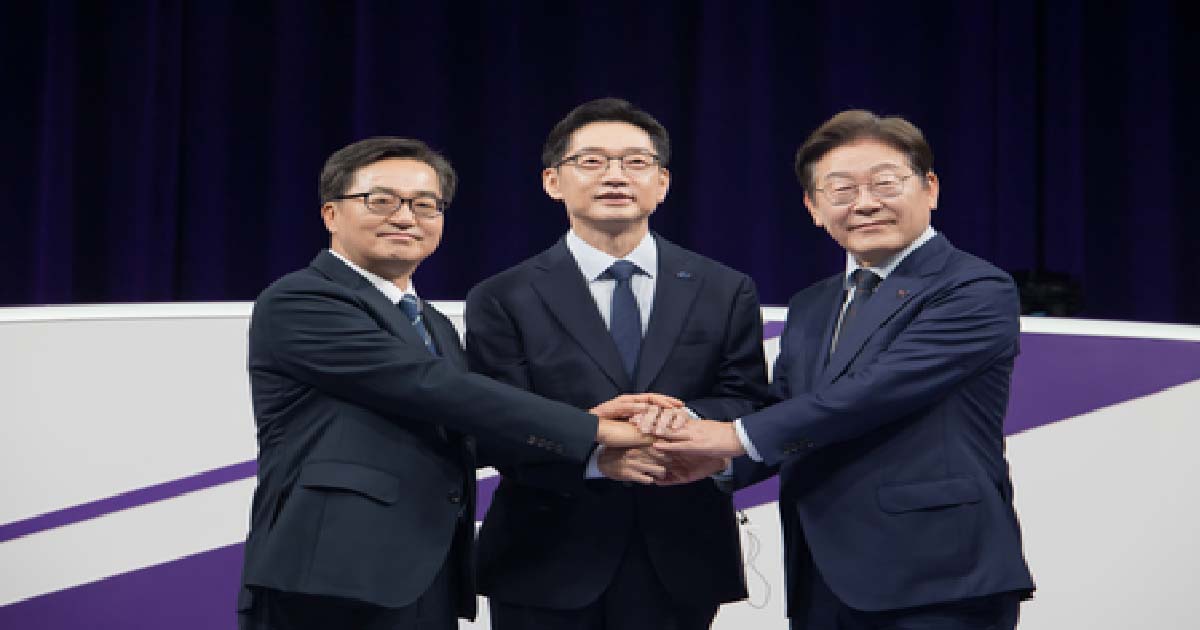
Seoul, April 23: Three contenders of the Democratic Party (DP) for South Korean presidential elections are set to hold their second public debate on Wednesday, four days before the party plans to pick its candidate for the June 3 presidential election.
The debate will bring together former DP leader Lee Jae-myung, Gyeonggi Province Gov. Kim Dong-yeon and Kim Kyung-soo, a former South Gyeongsang Province governor.
During the 90-minute debate, the candidates will present their visions in key areas, including politics, the economy, diplomacy, security and social policy.
Lee, who declared his presidential bid earlier this month and is leading opinion polls for the presidential election, recently won two regional primaries by a large margin, Yonhap news agency reported.
The DP will hold two more regional primaries before it picks a presidential candidate on Sunday.
The upcoming election is triggered by former President Yoon Suk Yeol’s ouster over his short-lived martial law declaration in December. Lee lost the presidential race to Yoon by a thin margin in 2022.
Meanwhile, earlier on April 22, the People Power Party (PPP) shortlisted four contenders in the first round of its presidential primary race.
The four candidates are former Labour Minister Kim Moon-soo, former PPP leader Han Dong-hoon, former Daegu Mayor Hong Joon-pyo, and lawmaker Ahn Cheol-soo, according to the party’s election commission.
The results were determined based on surveys conducted by five polling agencies from Monday to Tuesday, covering a combined total of 4,000 respondents.
The PPP originally had eight presidential primary candidates, which also included PPP lawmaker Na Kyung-won, Incheon Mayor Yoo Jeong-bok, North Gyeongsang Governor Lee Cheol-woo and former DP Rep. Yang Hyang-ja.
In the second round, two candidates will be selected through a process that equally combines party member votes and public opinion polling. The party will confirm its candidate on May 3.
The presidential election will be held on June 3 after Yoon was ousted on April 4 over his shocking martial law bid.
According to a Realmetre poll released early this week, Rep. Lee Jae-myung, former DP leader, kept a strong lead with 50.2 per cent support.
Trailing Lee was Kim with 12.2 per cent. Han received 8.5 per cent and Hong garnered 7.5 per cent.
While the conservative contenders have intensified political attacks against the former DP leader Lee, the PPP seemed to be perplexed by Lee’s strong lead in opinion polls.
Last week, a plan to create a new political party in support of Yoon was put on hold.
Rep. Lee Yang-soo of the PPP told SBS radio that such a plan would have a negative impact on the party in the face of the presidential election.
Meanwhile, candidates will be required to register by May 11 and the official campaign period will kick off on May 12.
The law also requires a public servant running for President to resign at least 30 days before an election, making May 4 the deadline.
The new President will assume office immediately after the election without a transition team.


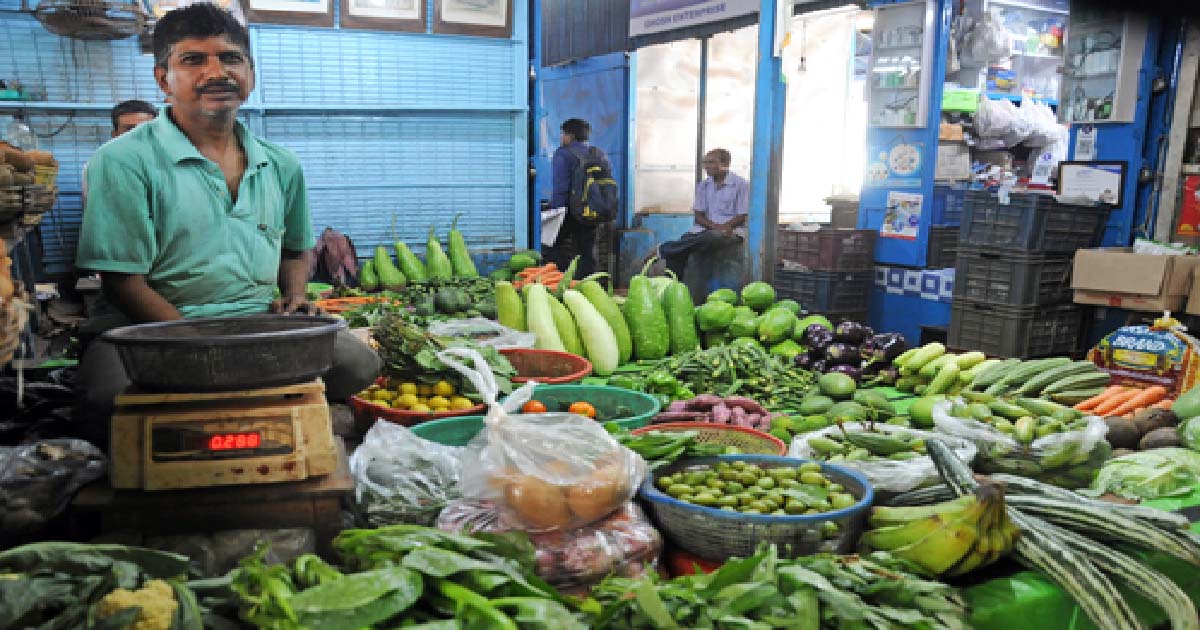
New Delhi, Dec 12: India’s year-on-year inflation rate, based on the Consumer Price Index (CPI), was estimated at 0.71 per cent for November this year which was marginally higher than the 0.25 per cent in October, according to figures released by the Ministry of Statistics on Friday.
Food inflation stayed in the negative zone during November at (-) 3.91 per cent as prices of food goods fell compared to the same month of the previous year. Food inflation has now stayed negative for the sixth month in a row, easing the burden on household budgets.
However, the increase in headline inflation during November 2025 is mainly attributed to an increase in the inflation of vegetables, eggs, meat and fish, spices, and fuels compared to October, according to an official statement.
The retail inflation had eased further in October, after having plummeted to an over 8-year low of 1.54 per cent in September, as prices of food items and goods across sectors fell during the month.
The declining trend in food prices continued in October as food inflation fell deeper in the negative zone at (-) 5.02 per cent from (-) 2.28 per cent in September.
However, the overall outlook for inflation remains benign.
The RBI’s monetary policy committee (MPC) last week slashed its forecast for India’s inflation rate for the financial year 2025-26 to 2 per cent from 2.6 per cent predicted in October due to the sharp decline in food prices and the GST rate cuts playing out.
RBI Governor Sanjay Malhotra announced a reduction in the repo rate by 25 basis points to 5.25 per cent from 5.5 per cent earlier, as inflation had come down and the monetary policy could focus on boosting growth.
Malhotra said that the surge in economic growth to 8.2 per cent in the second quarter of the current financial year and the sharp decline in inflation to 1.7 per cent had provided a rare “Goldilocks period” for the Indian economy.
“The MPC noted that headline inflation has eased significantly and is likely to be softer than the earlier projections, primarily on account of the exceptionally benign food prices. Reflecting these favourable conditions, the projections for average headline inflation in 2025-26 and Q1:2026-27 have been further revised downwards.”
Malhotra also pointed out that core inflation (which excludes food and fuel) remained largely contained in September-October, despite continued price pressures exerted by precious metals. Excluding gold, core inflation moderated to 2.6 per cent in October. Overall, the decline in inflation has become more generalised, he added.
The RBI Governor observed that food supply prospects have improved on the back of higher kharif production, healthy rabi sowing, adequate reservoir levels and conducive soil moisture. Barring some metals, international commodity prices are likely to moderate going forward.
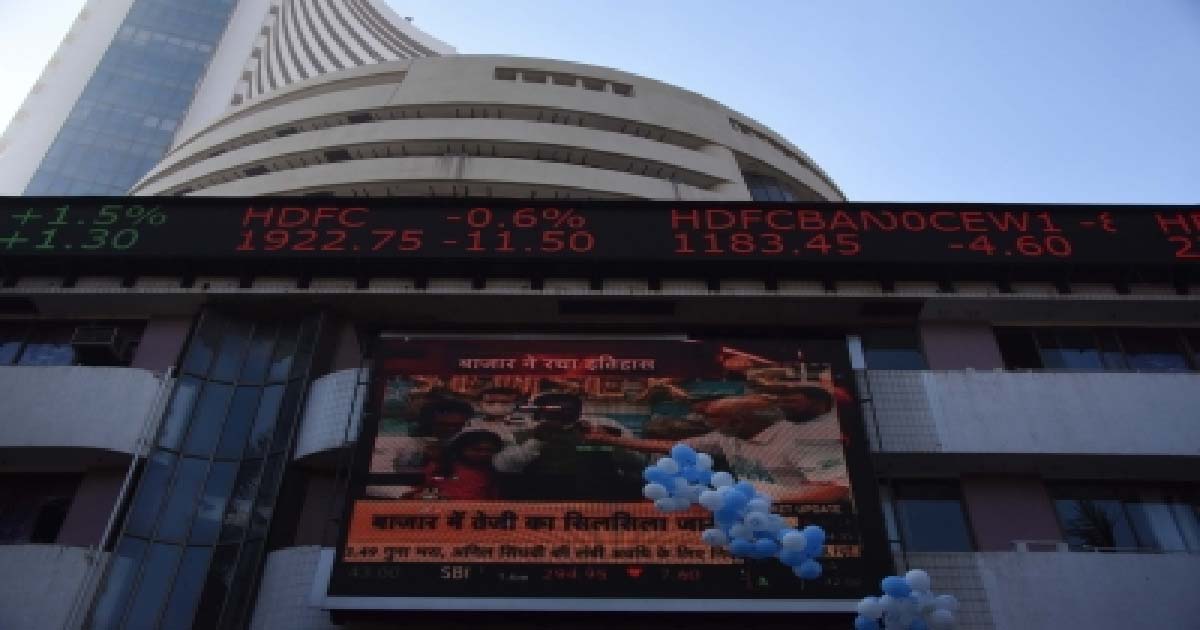
Mumbai, Dec 12: Indian stock markets gained for the second straight session on Friday, supported by a strong global rally and heavy buying in metal stocks.
Sentiment also improved after Prime Minister Narendra Modi spoke with US President Donald Trump on Thursday to discuss strengthening economic ties, as both countries continue working toward a trade agreement.
At the closing bell, the Sensex had risen 449.53 points, or 0.53 per cent, to 85,267.66.
The Nifty also moved higher, adding 148.40 points, or 0.57 per cent, to trade at 26,046.95.
“In the near term, the trend is likely to remain constructive as long as the index holds above 25,900, which is expected to serve as a key support level,” experts said.
“On the higher side, the index may move towards 26,300 in the short term,” they added.
Several major stocks led the gains on the Nifty, including Tata Steel, Eternal, UltraTech Cement, L&T, Maruti Suzuki, Bharti Airtel, Adani Ports, Axis Bank and Bajaj Finance.
However, some stocks came under pressure due to profit booking. HUL, Sun Pharma, Asian Paints, ITC, Power Grid and HCL Tech were among the top losers.
In the broader markets, the Nifty MidCap index rose 1.18 per cent, while the Nifty SmallCap index advanced 0.94 per cent.
Sector-wise, the Nifty Metal index led the rally with a jump of 2.63 per cent, followed by realty, consumer durables and oil and gas. The FMCG and media sectors slipped into the red.
Meanwhile, silver prices in India continued their sharp upward trend. Silver futures crossed the historic Rs 2 lakh per kg mark for the first time on Friday, extending a rally that has pushed the metal up nearly 130 per cent so far this year.
Experts said that the combined boost from global cues, strong sectoral performance and improving geopolitical engagement helped the markets end the week on a positive note.
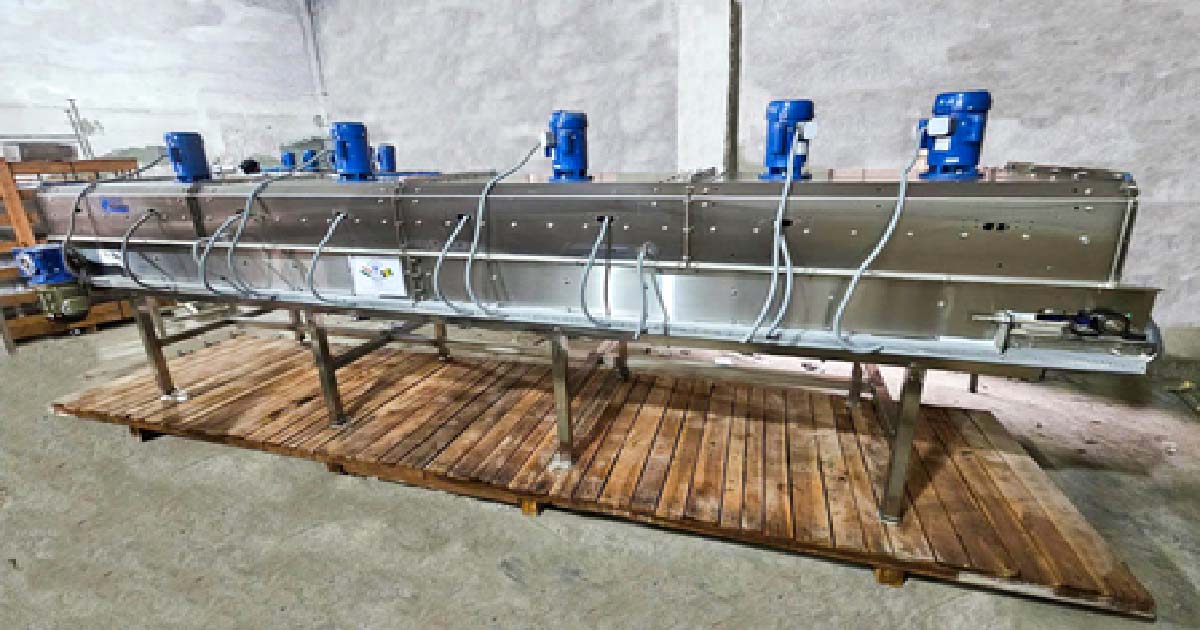
New Delhi, Dec 12: The production-linked incentive (PLI) scheme for food processing industries (PLISFPI) has generated about 3.39 lakh direct and indirect employment opportunities so far, the Parliament was informed on Friday.
Minister of State for Food Processing Industries, Ravneet Singh, said that 170 applications have been approved under various categories of the PLISFPI till September 2025.
“The scheme has led to an increase in food processing capacity of 35.00 lakh MT per annum in the Country,” the minister told the Rajya Sabha in a written reply to a question.
The incentives under the PLISFPI are admissible where the entire chain of manufacturing processes, including primary processing, of the food products applied for coverage under the scheme takes place in India.
According to the minister, total export of agricultural processed food products approved under the PLISFPI has increased with a CAGR of 13.23 per cent as on 2024-25 with reference to 2019-20.
Under the PLISFPI, a cumulative investment of Rs 9,207 crore has been made by the approved applicants, the Parliament was informed earlier. Also, 25 mega food parks approved by the ministry are currently operational across the country, Union Food Processing Industries Minister Chirag Paswan told the Lok Sabha in a reply.
The Ministry of Food Processing Industries (MoFPI) is also implementing a centrally sponsored PM Formalisation of Micro food processing Enterprises (PMFME) scheme for providing financial, technical and business support for setting up/upgradation of micro food processing enterprises in the country. The scheme primarily adopts the One District One Product (ODOP) approach aimed at fostering balanced regional development across all districts of the country.
The initiative aims to select, brand, and promote at least One Product from each District (One District One Product) of the country for enabling holistic socio-economic growth across all regions, he added. Under the ODOP initiative, products have been selected by states/UTs by taking into consideration the existing ecosystem on the ground in the districts. ODOP have been approved for 726 districts across 35 states/UTs under the scheme.

India’s CPI inflation estimated at 0.71 pc for Nov, food inflation stays in negative zone

Sensex, Nifty extend gains as metal stocks rally

Thane Crime Branch Busts Mephedrone Racket, Seizes Drugs, Firearm And Arrests Two In High-Intensity Raid

Maharashtra Govt To Finalise Comprehensive Self-Redevelopment Policy For Ageing SRA And SRD Housing In Mumbai

PLI for food processing industries generates about 3.39 lakh direct and indirect jobs

Kalyan College Namaz Controversy: SIO Demands Action Against Perpetrators

SS Rajamouli Faces FIR For ‘Hurting’ Religious Sentiments Over Controversial Lord Hanuman Remark At Varanasi Event In Hyderabad

Mumbai Local Train Update: Megablock On Central, Harbour, Trans-Harbour & Western Railway Lines On Nov 16; Check Details

Sensex, Nifty open marginally down amid negative global cues

Mega Block On Sunday, 23-11-2025: Mumbai Local Train Services To Be Affected On CR’s Main Line, No Block On Harbour & Trans-Harbour Line; Check Details
-

 Crime3 years ago
Class 10 student jumps to death in Jaipur
-
 Maharashtra1 year ago
Mumbai Local Train Update: Central Railway’s New Timetable Comes Into Effect; Check Full List Of Revised Timings & Stations
-
 Maharashtra1 year ago
Mumbai To Go Toll-Free Tonight! Maharashtra Govt Announces Complete Toll Waiver For Light Motor Vehicles At All 5 Entry Points Of City
-
 Maharashtra1 year ago
False photo of Imtiaz Jaleel’s rally, exposing the fooling conspiracy
-
 National News1 year ago
Ministry of Railways rolls out Special Drive 4.0 with focus on digitisation, cleanliness, inclusiveness and grievance redressal
-
 Maharashtra1 year ago
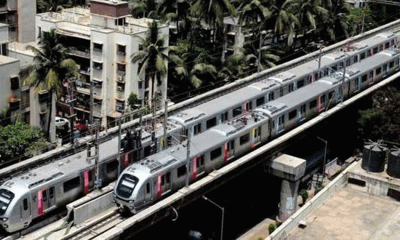
Maharashtra Elections 2024: Mumbai Metro & BEST Services Extended Till Midnight On Voting Day
-

 National News1 year ago
J&K: 4 Jawans Killed, 28 Injured After Bus Carrying BSF Personnel For Poll Duty Falls Into Gorge In Budgam; Terrifying Visuals Surface
-

 Crime1 year ago
Baba Siddique Murder: Mumbai Police Unable To Get Lawrence Bishnoi Custody Due To Home Ministry Order, Says Report