
Maharashtra
30-Hour Jam On Mumbai–Pune Expressway: Why Do Accidents & Traffic Chaos Keep Repeating On Maharashtra’s Most Crucial Road?

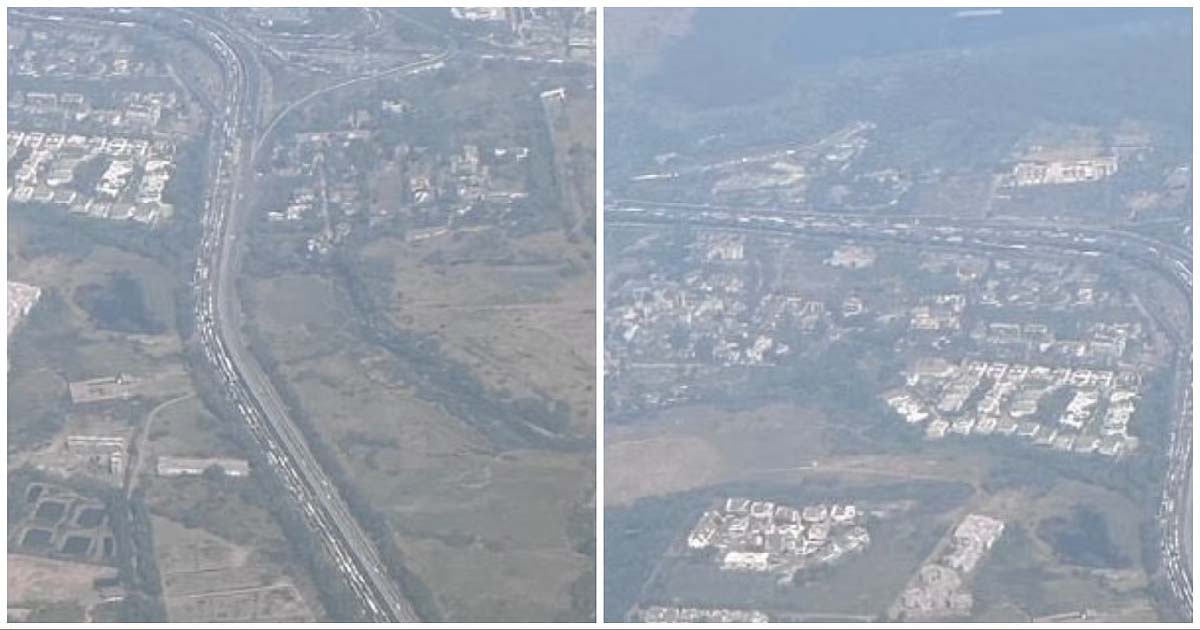
Pune: There is no debate that Mumbai and Pune are indeed the two biggest cities in Maharashtra, and it leaves little room for doubt that the Mumbai-Pune Expressway, which connects these two cities, is one of the most crucial roads in the state. However, once again, the debate over the condition of this supposed ‘state-of-the-art’ infrastructure has gained momentum. From Tuesday at 5 pm to Wednesday night at around 10 pm, the expressway was stuck in an unprecedented 30-hour traffic jam.
A tanker carrying highly flammable propylene gas overturned near the Adoshi Tunnel (km 41), within the Raigad district limits on the Pune–Mumbai Expressway, at around 5:00 pm on Tuesday. Authorities took nearly 30 hours to remove the tanker, which was finally cleared from the area near the tunnel at around 10:00 pm on Wednesday.
When the tanker overturned, a leak of propylene gas began. To avoid any potential major catastrophe, the Mumbai-bound traffic was completely shut down, while Pune-bound traffic from Mumbai was allowed to continue with extreme caution. It is reported that the accident occurred after the driver lost control of the vehicle. Teams from the National Disaster Response Force (NDRF), Bharat Petroleum Corporation Limited (BPCL), and chemical experts were deployed to handle the situation.
The accident caused a 60-km queue from the Adoshi Tunnel back to Kiwale (the start of the Mumbai-Pune Expressway from the Pune side). Using the internal links, the vehicles were released on the Old Mumbai-Pune Highway, which resulted in traffic congestion between Kamshet and Lonavala. Passengers heading to Mumbai Airport, critical patients with hospital appointments, and regular commuters remain stuck.
Commuters were left stranded without food or water, with many taking over eight hours to complete a journey that normally takes three-and-a-half to four hours. The expressway was cleared late Wednesday night, only for a cement truck to meet with another accident near the Lonavala stretch in the wee hours of Thursday. It triggered yet another traffic jam. Though the mishap was minor, it was enough to disrupt traffic once again. These back-to-back incidents have reignited debate over the Mumbai–Pune Expressway. Questions are being raised about why accidents and traffic congestion continue to plague the corridor.
– 15th August 2023: Five-vehicle collision near Khalapur Toll Plaza; three members of a family killed.
– 23rd April 2023: A private bus fell into a gorge at Borghat; 13 dead, over 25 injured.
– 25th March 2021: A tanker-car collision near Lonavala triggered a gas leak and resulted in two deaths.
– 16th June 2020: A chemical tanker overturned near Amrutanjan Bridge. Four people were burnt alive.
– 18th March 2019: Three cars collided while overtaking; five fatalities.
Currently, the stretch between Khalapur Toll Plaza and Lonavala is winding and steep. This area frequently sees major accidents, landslides, and traffic jams.
Madhusudhan Divekar, a frequent traveller of the expressway, said, “Every morning, the stretch from Khopoli to Lonavala has a traffic jam. The train journey usually takes four hours from Pune to Mumbai. However, with road transport, it should be less, but because of frequent traffic, the time always increases. No one is even talking about the traffic jam one experiences when they enter Mumbai or Pune cities.”
Divekar, along with many other commuters, thinks that this problem will be solved in the future as the ‘Missing Link’ project is underway. This 13 km stretch is expected to open in the coming months. It features a 10.8 km tunnel and a bridge approximately 180 feet high. By bypassing the difficult Ghat section, this new route will reduce travel time between Pune and Mumbai by 20–25 minutes and shorten the distance by 6 km.
The 13.3 km “Missing Link” project on the Mumbai–Pune Expressway is a major upgrade that bypasses the winding Khandala–Lonavala ghat section with tunnels, viaducts and a high cable-stayed bridge. This project aims to improve safety and cut travel time by around 30 minutes while shortening the distance by about 6 km. The Rs 6,600+ crore project is in its final stages and is expected to open to traffic in May 2026 after repeated delays.
– Overspeeding: High speeds often result in sudden loss of vehicle control. The speed limit on the Mumbai–Pune Expressway is 100 kmph for cars and 80 kmph for heavy vehicles. However, to control the speed, from time to time, speed cameras are in place, and people know when they have to follow the speed limit. During other times, the speed limit is simply not followed.
– Highway Hypnosis: Long, straight stretches cause drivers to enter a trance-like state. Psychologists believe it reduces reaction time despite being awake. Expressway stretches are filled with similar-looking scenes, especially from Kiwale to Lonavala.
– Concrete Surface & Tyre Bursts: The majority of the city roads are made of asphalt in Pune and Mumbai. But an expressway is made of concrete. Concrete retains more heat than asphalt. At high speeds, heat and friction cause air inside tyres to expand. This many times leads to sudden bursts, especially in old or under-inflated tyres. Also, breaking judgement changes with the change in surface.
– Lane Discipline Violations: Heavy vehicles frequently move out of the left lane to overtake. Vehicles that move slowly should stick to the left lane to avoid people overtaking them from the right. But heavy and slow-moving vehicle drivers don’t follow this rule. This forces fast-moving vehicles to brake abruptly or change lanes, which increases collision risk.
– Faulty Tail Lamps: Broken or dust-covered tail lamps on trucks make it difficult to judge distance at night. In some ghat spaces, the visibility on the expressway is low. This results in rear-end crashes many times, as light motor vehicles hit heavy vehicles from behind.
– Khandala Ghat Descent: Continuous braking on steep slopes overheats brake liners, particularly for heavy vehicles. Brake failure in heavy vehicles often leads to loss of control and accidents. A similar trend is also seen on the Navale Bridge on the Katraj-Dehu Road bypass section of the Mumbai-Bengaluru Highway.
– Nitrogen-filled tyres to reduce overheating and burst risk
– Mandatory rest breaks for drivers, especially during early morning hours
– Strict action on lane violations, including licence suspension
– Improved reflectors and signage for fog and monsoon conditions
– Mandatory tyre inspection points at toll plazas and food malls
– Enhanced camera surveillance to penalise speeding and lane cutting
– Additional emergency escape ramps in ghat sections
1) Holiday & Weekend Surges: Large spikes in vehicle numbers during long weekends or festive breaks overwhelm the capacity of the highway. It causes slow-moving traffic and long queues, especially in ghat sections.
2) Ghat Bottlenecks: Steep gradients and narrow stretches in the Khandala–Bor Ghat significantly slow traffic, creating persistent chokepoints. In this section, the four-lane old highway and the six-lane expressway merge for traffic from Maval tehsil, effectively squeezing ten lanes into six and resulting in severe congestion.
3) Vehicle Breakdowns: Cars or heavy vehicles breaking down on key stretches block lanes and worsen gridlocks.
4) Maintenance Closures: Unplanned or late-night roadwork narrowing lanes can create bottlenecks that take hours to clear.
5) Overall High Number of Vehicles: The Mumbai–Pune Expressway serves as a vital link between Maharashtra’s two most important cities and carries a massive volume of daily commuters. Due to this consistently high traffic load, even a single disruption quickly results in hours-long congestion across the corridor.
6) The “No-Exit” Trap: The Bor Ghat section of the Mumbai–Pune Expressway creates a dangerous “no-exit” zone spanning nearly 20 km between Khalapur and Kusgaon. The stretch is carved into the mountains and lined with tunnels, and the stretch has no service roads, U-turns, or local exits.


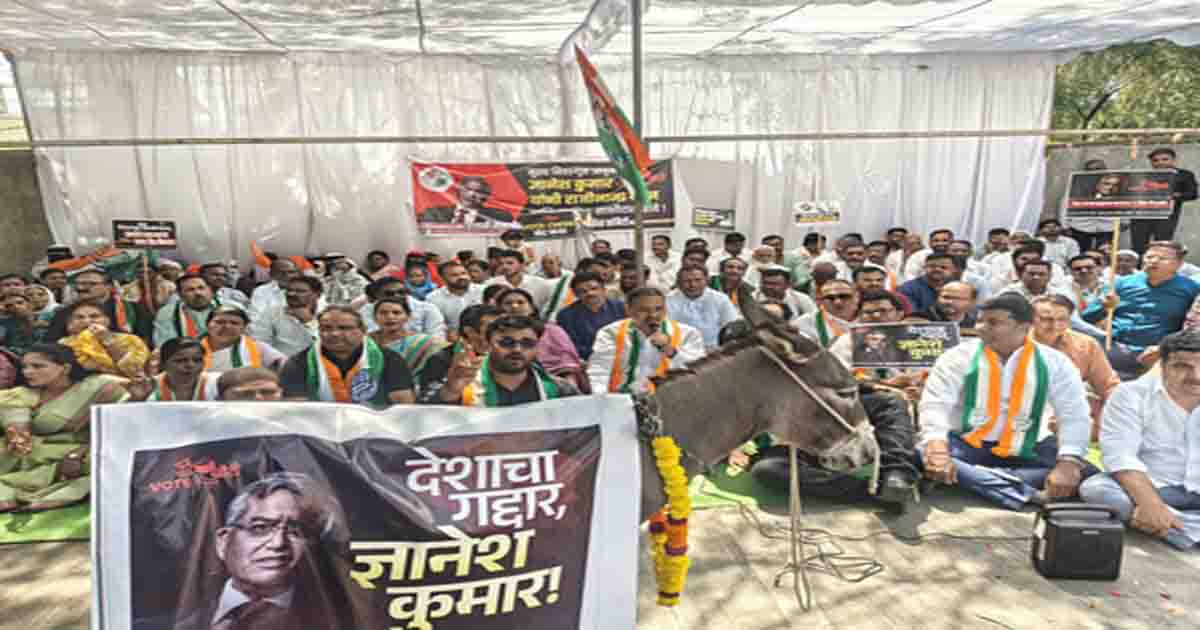
Mumbai, Sep 28: The Maharashtra Pradesh Congress Committee (MPCC) on Monday launched massive demonstrations across all district collectorates, demanding the dismissal and arrest of Chief Election Commissioner (CEC) Gyanesh Kumar.
The party accused him of undermining democratic institutions and manipulating voter rolls to benefit the Bharatiya Janata Party (BJP).
Congress leaders described Gyanesh Kumar as a “stain on democracy” and submitted memorandums outlining grievances to district collectors. The protests featured creative forms of dissent: in Amravati, protesters paraded an effigy of the CEC on a donkey before destroying it; in Thane, demonstrators forced an effigy to do sit-ups (uthak-baithak) as punishment.
Large rallies were also held in Pune, Kolhapur, Solapur, Nashik, Nagpur, Chhatrapati Sambhajinagar, Chandrapur, Nanded, Latur, Beed, and across the Konkan and North Maharashtra regions.
Senior Congress leaders led protests in several districts: Satej Patil in Kolhapur, Praniti Shinde in Solapur, Yashomati Thakur and Balwant Wankhede in Amravati, Kalyan Kale in Chhatrapati Sambhajinagar, Pratibha Dhanorkar in Chandrapur, Ravindra Chavan in Nanded, Shivaji Kalge in Latur, and Kumar Ketkar in Thane.
Addressing gatherings, the Congress reiterated allegations earlier raised by Leader of the Opposition (LoP) in the Lok Sabha, Rahul Gandhi, about “vote theft.” The party claimed that over 13 crore voters nationwide, including more than 3 crore in Maharashtra, were arbitrarily removed from electoral rolls under the Special Intensive Revision (SIR) exercise.
It further alleged that 47 lakh untraceable voters were added to Maharashtra’s rolls ahead of the 2024 assembly polls.
Congress spokespersons highlighted reported written dissent from two Election Commissioners over procedural deviations by the CEC, saying it validated their charges of bias. Leaders warned that the agitation would escalate into a national movement unless action were taken against Gyanesh Kumar.
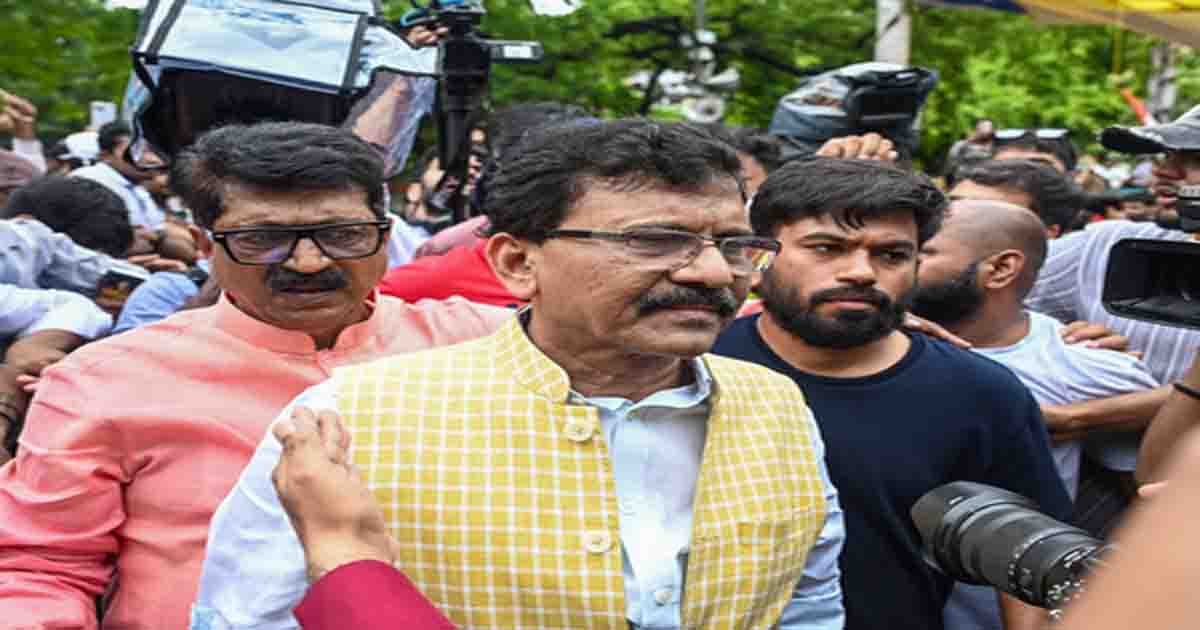
Mumbai, Sep 28: The Shiv Sena(UBT) leader and Rajya Sabha member Sanjay Raut on Monday launched a scathing attack on Maharashtra Chief Minister Devendra Fadnavis, retaliating sharply against his recent remark that Congress leader Rahul Gandhi had “lost his brain” for alleging large-scale voter list manipulation and electoral fraud.
Raut questioned who had actually lost their mental balance, demanding to know why top BJP leaders were acting as “defence lawyers” for Chief Election Commissioner (CEC) Gyanesh Kumar instead of addressing the core issues raised by the Opposition. Raut aggressively countered CM Fadnavis’s attempt to dismiss Rahul Gandhi’s accusations.
He questioned the BJP’s urge to shield the Chief Election Commissioner, alleging that the poll body has lost its constitutional independence and is operating under political influence. “Instead of debating who lost their mind, speak on the actual issue. Why is Devendra Fadnavis defending Chief Election Commissioner Gyanesh Kumar? Has the Election Commission hired him as its advocate?” he asked, alleging that the ruling party’s desperate defence points towards a systemic cover-up.
Pointing to investigative news reports detailing internal dissent within the Election Commission, Raut noted that Rahul Gandhi was not the sole voice raising concerns. He referred to the media reports regarding procedural irregularities and internal friction among Election Commissioners. “Does Fadnavis lack basic political history, or is he deliberately ignoring facts?” he asked.
Comparing the three-member Election Commission to the ruling alliance in Maharashtra, Raut alleged that the commissioners pose together for photographs like Fadnavis and Chief Minister Eknath Shinde, despite severe internal division. “Do they even share a working relationship? No. Just like CM Fadnavis and Dy CM Eknath Shinde stage photo-ops, these three Election Commissioners pose together for optics while the institution crumbles inside,” Raut remarked.
Escalating his rhetoric, the MP accused the ruling dispensation of deploying state power and police forces to protect the poll panel chief from public protests. He alleged that the central leadership views the Chief Election Commissioner as a crucial tool for electoral manipulation, making his protection an absolute priority for the regime.
“Gyanesh Kumar has become a bone stuck in the government’s throat. Protecting him has become their political necessity because he serves as the weapon to win elections through manipulation,” Raut alleged. “They are using state machinery, police forces, and central security forces to suppress peaceful protests. But let me make one thing clear — Gyanesh Kumar will have to go.”
Extending his critique to state governance, Raut criticised CM Fadnavis over the government’s response to the drought situation in Maharashtra. He hit out at the advice, asking citizens to cut down on personal expenses during severe distress.
“Instead of asking common citizens to cut back on expenses during a severe drought, why didn’t Fadnavis direct his own political colleagues to stop their corruption?” he asked. “Had he shown the courage to rein in corruption within his administration, I would have conceded that he possesses a working mind.”
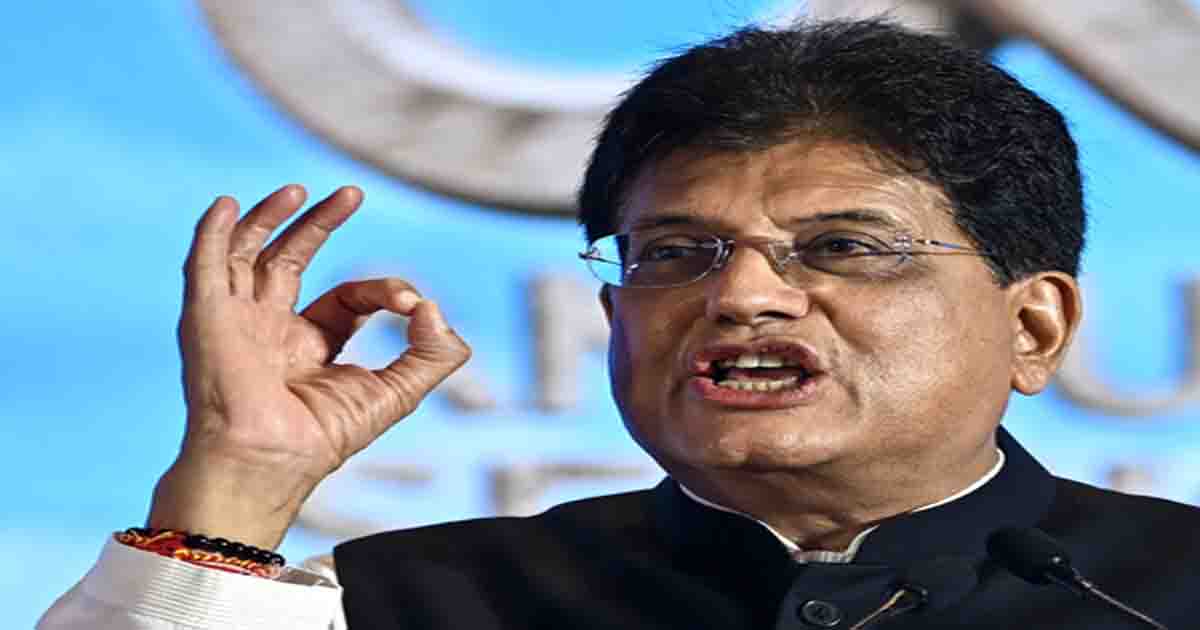
Mumbai, Sep 28: India is exploring the possibility of strengthening its energy partnership with the United Arab Emirates (UAE) by sourcing more liquefied natural gas (LNG) and liquefied petroleum gas (LPG) from the Gulf nation, while also working on expanding strategic petroleum reserves to bolster the country’s energy security, Commerce and Industry Minister Piyush Goyal said on Monday.
Addressing the media after the 14th meeting of the India-UAE High-Level Joint Task Force on Investments here, Goyal said that India is engaging with the UAE to enhance cooperation across the energy sector as part of efforts to diversify supply arrangements and safeguard domestic energy availability amid continuing uncertainties in global energy markets.
“India is exploring the possibility of using the United Arab Emirates as a key source of liquefied natural gas (LNG) and liquefied petroleum gas (LPG), while also working with Abu Dhabi to expand petroleum reserves,” the minister stated.
The discussions build on agreements announced during Prime Minister Narendra Modi’s visit to the UAE in May 2026, when both countries unveiled plans for deeper cooperation in crude oil storage, strategic reserves, LNG and LPG infrastructure, and long-term LPG supply arrangements.
As part of the collaboration, Indian Strategic Petroleum Reserves Ltd (ISPRL) and Abu Dhabi National Oil Company (ADNOC) signed a strategic agreement under which the UAE could store up to 30 million barrels of crude oil in India’s strategic petroleum reserve facilities. The proposed arrangement includes potential participation in storage sites located at Visakhapatnam in Andhra Pradesh and Chandikhol in Odisha.
The two sides are also examining the possibility of storing a portion of India’s strategic crude reserves in Fujairah, a key UAE oil hub located outside the Strait of Hormuz. Such an arrangement is expected to improve supply-chain resilience and provide greater flexibility in managing energy inventories during periods of geopolitical uncertainty.

CBDT extends tax audit deadline to Oct 21, taxpayers can file returns till Nov 21

Iran offers to reopen Hormuz on sixth day of proposed seven-day plan

Maha Congress stages agitation against Gyanesh Kumar

Rhiti Tiwari team reacts to ex-stepfather Ekam Bawa torture claims: Legal action initiated

India’s industrial growth surges to 8 pc in August, manufacturing sector shines

Gift to President Putin part of PM Modi bid to globally display India’s heritage

PM Modi’s warm camaraderie with Putin, Xi on full display at BRICS Summit

7.8 pc GDP growth reflects country’s progress: Maha CM Fadnavis, Dy CM Shinde

BMC takes action against Mumbai Central Orchid City Mall; mall shut down.

Nepal PM calls for global response to rising Himalayan climate risks
-

 Crime4 years ago
Class 10 student jumps to death in Jaipur
-

 Maharashtra2 years ago
Mumbai Local Train Update: Central Railway’s New Timetable Comes Into Effect; Check Full List Of Revised Timings & Stations
-

 Maharashtra2 years ago
Mumbai To Go Toll-Free Tonight! Maharashtra Govt Announces Complete Toll Waiver For Light Motor Vehicles At All 5 Entry Points Of City
-

 Maharashtra2 years ago
False photo of Imtiaz Jaleel’s rally, exposing the fooling conspiracy
-

 National News2 years ago
Ministry of Railways rolls out Special Drive 4.0 with focus on digitisation, cleanliness, inclusiveness and grievance redressal
-

 Maharashtra2 years ago
Maharashtra Elections 2024: Mumbai Metro & BEST Services Extended Till Midnight On Voting Day
-

 National News2 years ago
J&K: 4 Jawans Killed, 28 Injured After Bus Carrying BSF Personnel For Poll Duty Falls Into Gorge In Budgam; Terrifying Visuals Surface
-

 Crime2 years ago
Baba Siddique Murder: Mumbai Police Unable To Get Lawrence Bishnoi Custody Due To Home Ministry Order, Says Report