
International News
UNGA convenes 5th interactive dialogue with candidate for next UN secretary-general


United Nations, June 16: The UN General Assembly (UNGA) convened its fifth interactive dialogue with a candidate for the position of next UN secretary-general.
During the dialogue on Monday, Maria Fernanda Espinosa, former UNGA president and former foreign minister and defence minister of Ecuador, nominated by Antigua and Barbuda in May, presented her vision statement and answered questions from UN member states and civil society representatives regarding her leadership abilities, experience and skills, UN reform, and the three pillars of the United Nations — peace and security, human rights, and development, Xinhua news agency reported.
In her vision statement, Espinosa said she seeks the office of UN chief at a moment when the world does not need another restatement of multilateral ideals but needs results: a United Nations that prevents crisis earlier, responds more coherently, delivers more effectively, and restores confidence in the value of collective action.
She said her vision is organised around five interconnected pillars of transformation — peace and security, development, digital and energy transformation, closing the delivery gap, and rebuilding credibility.
“This is not an extensive comprehensive action plan, because comprehensive political and financial leadership must come from the Member States. Rather, it highlights areas where the Secretary-General can act most effectively within her remit to restore UN credibility and confidence by delivering results,” Espinosa said.
In late April, the UNGA conducted a two-day interactive dialogue with four candidates for the next UN chief: Michelle Bachelet, former Chilean president and former UN high commissioner for human rights, nominated by Brazil and Mexico; Rafael Grossi, current director general of the International Atomic Energy Agency, nominated by Argentina; Macky Sall, former president of Senegal, nominated by Burundi; and Rebeca Grynspan, economist and former vice president of Costa Rica, nominated by Costa Rica.
The term of Antonio Guterres, the current and ninth secretary-general of the United Nations, will expire at the end of this year. The next UN secretary-general will take over the role on January 1, 2027.


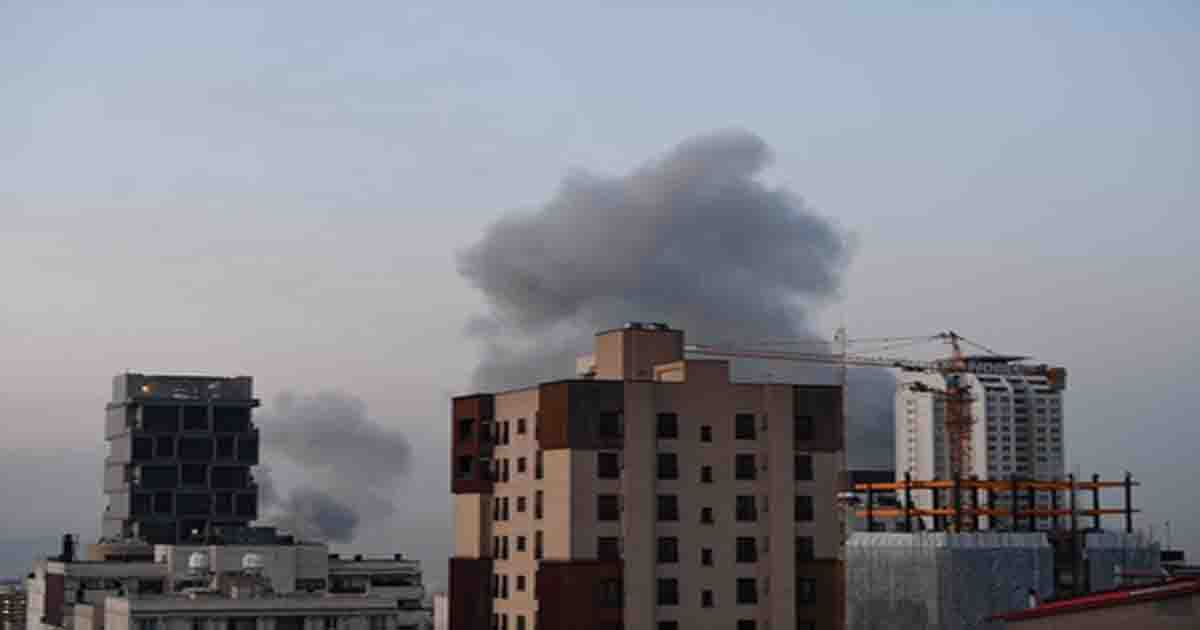
Iranian forces have determined a vast battlefield to inflict damage on the “enemy” and achieve complete deterrence, spokesman for Iran’s Islamic Revolution Guard Corps (IRGC) Hossein Mohebbi has said.
Speaking at a conference in Iran’s southeastern Kerman province on Sunday (local time), Mohebbi said Iranian forces are more prepared than ever “to respond decisively to the enemy,” reports Xinhua, quoting the semi-official Tasnim news agency.
He pointed to recent orders from Supreme Leader Mojtaba Khamenei to senior military commanders, saying the leader’s guidelines “opened a new chapter of war.”
Mohebbi highlighted Khamenei’s emphasis that “there is no geographical limitation in the war with the United States,” saying the IRGC has placed on its agenda identifying new enemy targets and planning operations in new geographical regions.
On Saturday, a statement announced that Iran’s supreme leader had ordered senior commanders of the armed forces to ensure that any level and kind of threat from the “enemies” must be met with an “immediate and effective” response without geographical limitations.
The warnings come amid heightened US threats of military action against Iran.
According to The Wall Street Journal (WSJ), US President Donald Trump was briefed on Thursday by top US military officials on options regarding Iran.
The United States has also informed several Gulf countries to prepare for a possible brief but intense military campaign against Iran after the US midterm elections, according to the WSJ.
On February 28, Israel and the United States launched joint attacks on Tehran and other Iranian cities. Iran responded with waves of missile and drone attacks targeting Israel and US bases and assets in the region, and tightened its grip on the Strait of Hormuz.
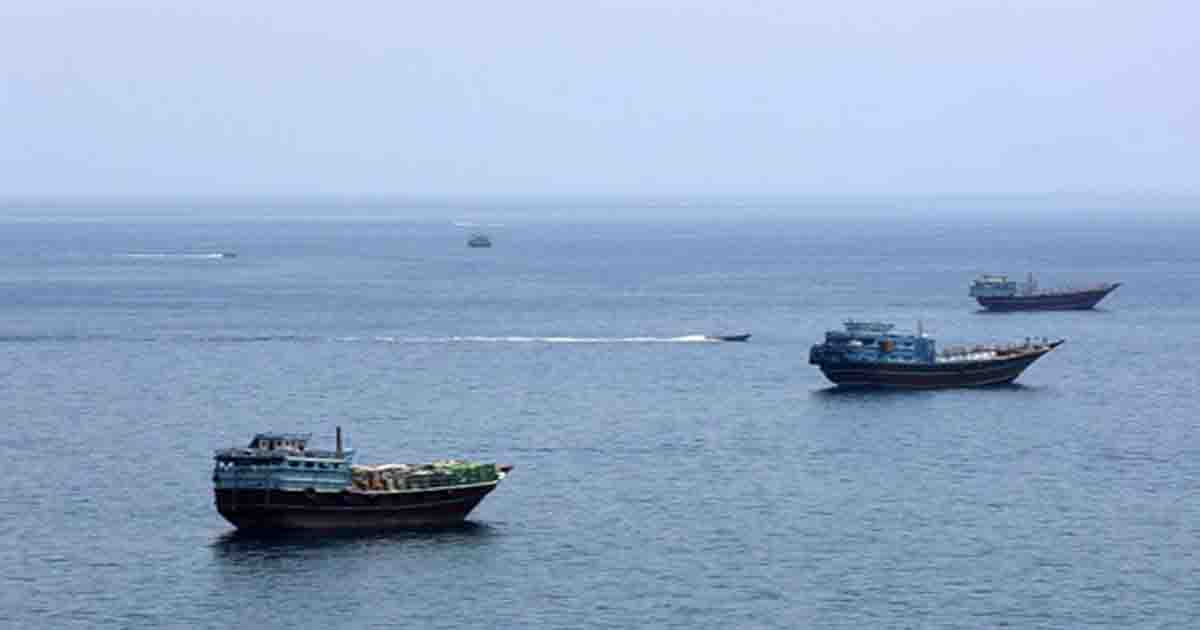
The navy of Iran’s Islamic Revolution Guard Corps (IRGC) has announced that two “violating” oil tankers, including a supertanker, suffered explosions and were stopped after hitting naval mines in the Strait of Hormuz within the preceding hours.
In a statement published on the IRGC’s official news outlet Sepah News on Sunday (local time), the navy said the tankers were transiting the “unauthorised” route in the strait.
It added the supertanker “suffered a massive explosion and is burning,” stressing that both vessels had turned off their navigation and identification systems, reports Xinhua news agency.
Iran tightened its grip on the strait on February 28, barring safe passage of vessels belonging to or affiliated with Israel and the United States following their joint strikes on Iranian territory.
Earlier, IRGC spokesperson Hossein Mohebbi said that Iranian forces have determined a vast battlefield to inflict damage on the “enemy” and achieve complete deterrence.
Speaking at a conference in Iran’s southeastern Kerman province on Sunday (local time), Mohebbi said Iranian forces are more prepared than ever “to respond decisively to the enemy,” reports Xinhua, quoting the semi-official Tasnim news agency.
He pointed to recent orders from Supreme Leader Mojtaba Khamenei to senior military commanders, saying the leader’s guidelines “opened a new chapter of war.”
Mohebbi highlighted Khamenei’s emphasis that “there is no geographical limitation in the war with the United States,” saying the IRGC has placed on its agenda identifying new enemy targets and planning operations in new geographical regions.
On Saturday, a statement announced that Iran’s supreme leader had ordered senior commanders of the armed forces to ensure that any level and kind of threat from the “enemies” must be met with an “immediate and effective” response without geographical limitations.
The warnings come amid heightened US threats of military action against Iran.
According to The Wall Street Journal (WSJ), US President Donald Trump was briefed on Thursday by top US military officials on options regarding Iran.
The United States has also informed several Gulf countries to prepare for a possible brief but intense military campaign against Iran after the US midterm elections, according to the WSJ.
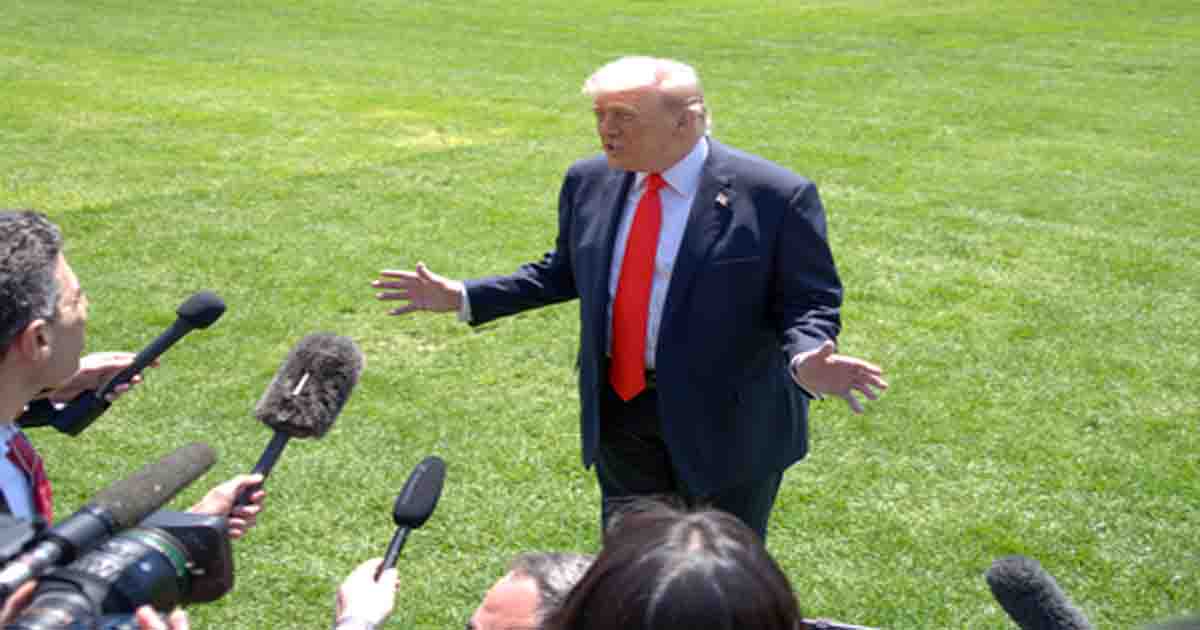
US President Donald Trump on Saturday named Pickaxe Mountain as an Iranian site that needed to be dealt with, while saying negotiations with Tehran were progressing and leaving open whether diplomacy would produce an agreement.
Speaking to reporters in Palm Beach, Florida, Trump said there were still one or two sites to address. His remarks came hours after Secretary of State Marco Rubio said the president had not decided whether to launch fresh military action against Iran.
“You probably could look at Pickaxe Mountain, and you have to take care of that,” Trump said.
The president described the Iran negotiations as “going fine”, but questioned Tehran’s reliability.
“We’ll see if they make a deal,” he said.
Trump also suggested that dealing with the remaining sites could be accomplished rapidly.
Earlier in Atlanta, Rubio declined to discuss possible military operations or say how long diplomatic efforts would be given to succeed. He said decisions on timing rested with Trump.
“We can achieve military objectives if we seek to. He hasn’t made a decision. I have no announcement in that regard with you today, and nor do we take any of it lightly,” Rubio told reporters at the conclusion of the G20 foreign ministers’ meeting.
Rubio said Trump preferred a diplomatic outcome and would already have acted if military force had been his preferred course.
“He’d prefer to solve it diplomatically,” he said.
Asked about Qatari-backed talks, Rubio said contacts with Iran had continued through several channels, including intermediaries and, in some cases, direct conversations. He declined to assess their progress or specify a deadline.
“There are multiple talks; talks have actually never stopped,” he said.
Rubio said Washington remained open to a diplomatic solution, but any arrangement would have to address US security concerns. He identified preventing Iran from acquiring nuclear weapons and confronting its support for armed groups across the Middle East as central American objectives.
The secretary also linked the confrontation to commercial shipping, accusing Iran of targeting vessels carrying energy supplies and other cargo. He specifically referred to ships with Indian sailors aboard.
Those allegations were made by Rubio during the press conference. The material reviewed for this report did not include an Iranian response.
Rubio said US forces were defending shipping against drones and missiles and called for wider international participation in protecting passage through the Strait of Hormuz. He described cooperation from other countries as limited and said the burden had fallen primarily on the United States.
The Atlanta meeting formed part of preparations for the G20 leaders’ summit in Florida in December. Its agenda included energy, supply chains, critical minerals, food security and freedom of navigation, reflecting the economic consequences of disruptions to international commerce.
Maritime security was a recurring subject in the discussions. Rubio said interruptions to the movement of energy, fertiliser and agricultural products threatened food supplies, while acknowledging that participants agreed more readily on the problems than on collective solutions.

BJP says LoP Rahul Gandhi remark shows he accepts PM Modi will remain in power

Iran defines vast arena to inflict damage on enemy: IRGC spokesman

Newlyweds among 31 hospitalised after suspected food poisoning at Mumbai wedding

Two injured, two arrested after police encounter in Noida Sector 63

Iran says 2 ‘violating’ oil tankers exploded after hitting mines in Hormuz

Rahul, Cong ecosystem want to force regime change: BJP after Neha Bora praises B’desh Gen-Z protest

Attack on democratic rights: INDIA Bloc leaders on detentions of anti-ECI protestors

BJP pays tribute to ex-President Abdul Kalam, recalls his enduring influence on generations of India’s youth

INDIA bloc begins protest march against ECI

Online betting: ED conducts searches at 20 premises in Mumbai, Pune, Hyderabad
-

 Crime4 years ago
Class 10 student jumps to death in Jaipur
-

 Maharashtra2 years ago
Mumbai Local Train Update: Central Railway’s New Timetable Comes Into Effect; Check Full List Of Revised Timings & Stations
-

 Maharashtra2 years ago
Mumbai To Go Toll-Free Tonight! Maharashtra Govt Announces Complete Toll Waiver For Light Motor Vehicles At All 5 Entry Points Of City
-

 Maharashtra2 years ago
False photo of Imtiaz Jaleel’s rally, exposing the fooling conspiracy
-

 National News2 years ago
Ministry of Railways rolls out Special Drive 4.0 with focus on digitisation, cleanliness, inclusiveness and grievance redressal
-

 Maharashtra2 years ago
Maharashtra Elections 2024: Mumbai Metro & BEST Services Extended Till Midnight On Voting Day
-

 National News2 years ago
J&K: 4 Jawans Killed, 28 Injured After Bus Carrying BSF Personnel For Poll Duty Falls Into Gorge In Budgam; Terrifying Visuals Surface
-

 Crime2 years ago
Baba Siddique Murder: Mumbai Police Unable To Get Lawrence Bishnoi Custody Due To Home Ministry Order, Says Report