
Business
Sensex, Nifty open flat as IT and pharma gain

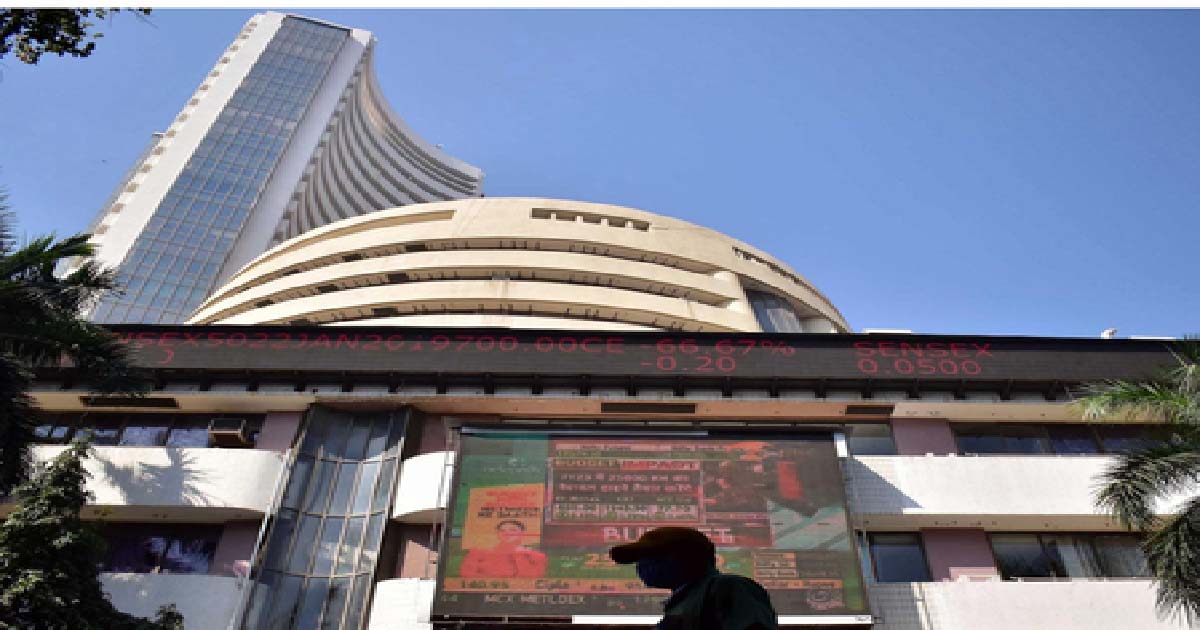
Mumbai, Dec 3: The Indian stock market opened on a quiet note on Wednesday, with both benchmark indices showing minimal movement in early trade.
The Sensex inched up by just 12 points to 85,151, while the Nifty slipped 18 points to 26,014.
Most of the major Sensex stocks were trading in the red, dragging the indices sideways. Shares of HUL, Titan, Tata Motors PV, NTPC, BEL, Trent, Bajaj Finserv, Kotak Bank, Ultratech Cement, Maruti Suzuki, L&T, Power Grid, and ITC were among the top losers in the morning session.
Despite the broader weakness, some heavyweights helped limit the downside. TCS, Infosys, Eternal, HCL Tech, Axis Bank, Tech Mahindra, and Adani Ports were trading higher, providing support to the indices.
In the broader market, mid- and small-cap stocks showed resilience. The Nifty MidCap index managed to rise 0.02 per cent, while the Nifty SmallCap index gained 0.08 per cent after erasing early losses.
Sector-wise, IT and pharma stocks outperformed the market. The Nifty IT index rose 0.7 per cent and the Nifty Pharma index added 0.3 per cent.
These sectors benefited from the Indian Rupee hitting a record low, as many companies in these industries earn a significant part of their revenue in dollars while most of their expenses are in rupees.
On the other hand, PSU bank stocks were under pressure, with the Nifty PSU Bank index falling 0.6 per cent in early trade.
Analysts said that the market remained range-bound as mixed global cues and a weak currency influenced investor sentiment.
“The ideal strategy for investors in this period of uncertainty is to remain invested in high quality growth stocks in the large and midcap segments. Smallcaps, as a segment, continues to be overvalued and are, therefore, best avoided,” market watchers added.


Washington, March 20: Rising costs of the Iran war and its impact on global markets are deepening divisions in Congress, with Republicans and Democrats questioning the scale and purpose of a proposed funding request that could exceed $200 billion, according to multiple US media reports.
The White House is preparing to seek massive new funding for the conflict, even as scepticism grows within President Donald Trump’s own party over the lack of a clear strategy and timeline, CNN reported. Lawmakers say the administration has yet to fully explain how the money will be used or how long the US military engagement could last.
Trump signalled the request could be substantial, arguing the military needs resources to maintain strength. “We want to be in the best shape, the best shape we’ve ever been in,” he said, adding, “It’s a small price to pay to make sure that we stay tippy top.”
But that argument is facing pushback. Some Republicans have openly rejected further spending, reflecting growing unease about what several described as a potential “endless war”.
“I am a no. I have already told leadership. I am a no on any war supplemental. I am so tired of spending money over there,” Representative Lauren Boebert said, according to CNN. “I have folks in Colorado who can’t afford to live. We need America First policies right now.”
Others are demanding detailed answers before committing support. “What are we doing? We’re talking about boots on the ground. We’re talking about that kind of extended activity,” said Representative Chip Roy. “They got a whole lot more briefing and a whole lot more explaining to do on how we’re going to pay for it and what’s the mission here?”
Fiscal conservatives have also questioned whether the proposed funding could expand further. “It begs the question, how long do they plan to be there? What are the goals? Is this the first $200 billion? Does this turn into a trillion?” Representative Thomas Massie said, CNN reported.
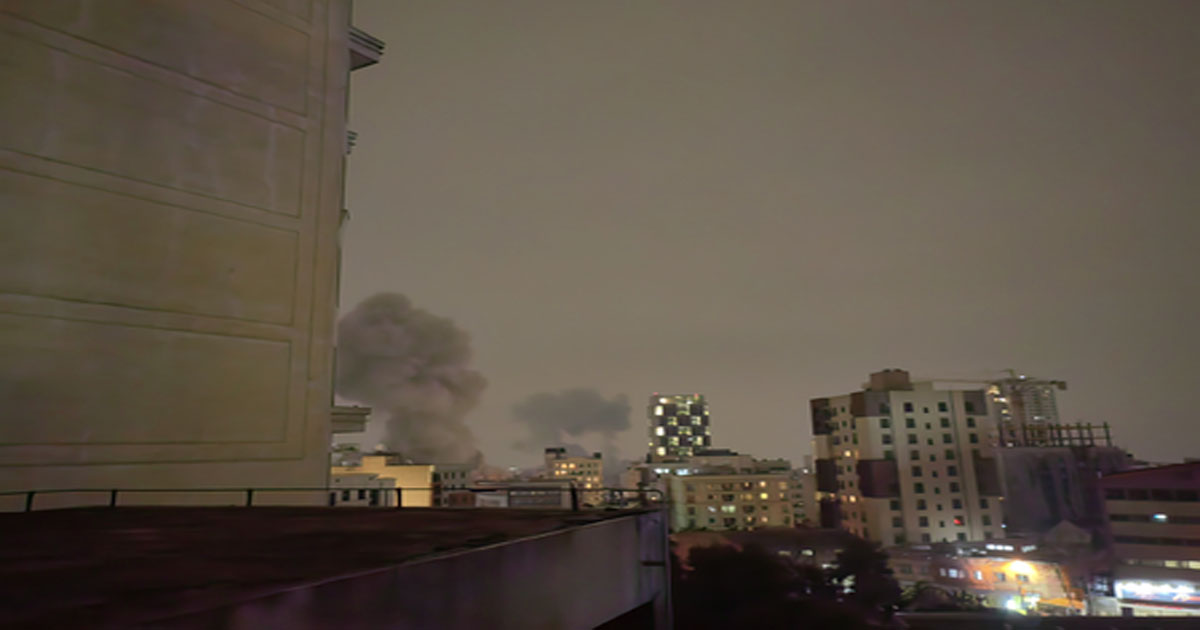
The debate comes as the conflict intensifies in the Gulf. US and allied forces have stepped up operations around the Strait of Hormuz, deploying attack aircraft and helicopters to target Iranian naval assets and reopen critical shipping lanes, The Wall Street Journal reported.
“The A-10 Warthog is now engaged across the southern flank, targeting fast-attack watercraft in the Strait of Hormuz,” General Dan Caine said, adding that Apache helicopters “have joined the fight on the southern flank,” according to the Journal.
The escalation has already shaken global energy markets. Oil prices surged sharply as attacks on infrastructure across the region raised fears of supply disruptions, The New York Times reported.
Analysts warned the economic fallout could deepen if hostilities continue. “Energy warfare has been utilised from day one,” said Anna Jacobs, according to The Washington Post, noting that disruptions in the Strait of Hormuz have affected a key global supply route.
At the same time, lawmakers in both parties say they have received limited and incomplete cost assessments, adding to concerns over approving such a large sum. Some Republicans have proposed conditions, including spending offsets or audits of Pentagon finances, before backing any funding bill.
Senate leaders have indicated the path forward remains uncertain. “It remains to be seen” whether the request could pass, Senate Majority Leader John Thune said, according to CNN.
Democrats, meanwhile, remain largely opposed to approving funds under current conditions, further complicating the administration’s efforts to secure congressional backing.
The conflict has also triggered broader policy debates within the administration, including whether easing sanctions on Iranian oil could help stabilise global prices, The Washington Post reported. Officials say such steps could bring additional supply to the market, though analysts warn it could also strengthen Iran financially during the war.
Business
LPG Crisis: How A Simple Digital DAC OTP System Is Plugging A Massive Black-Market Loophole

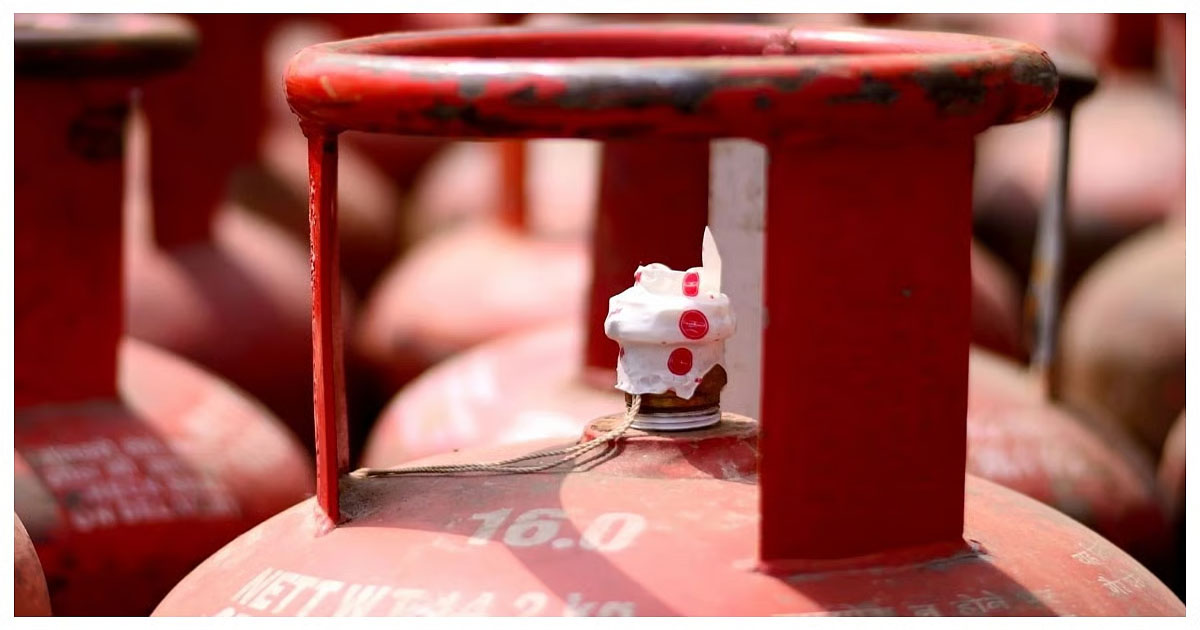
India’s cooking gas distribution network has long been plagued by a quiet crisis – subsidised LPG cylinders meant for households routinely ended up in the black market, diverted by unscrupulous delivery personnel and agents. With the LPG crisis now deepening due to the US-Iran war, the government’s answer to this is deceptively simple – an OTP.
The Delivery Authentication Code (DAC) is a one-time-use code used to verify the legitimacy of home LPG cylinder delivery, ensuring the cylinder reaches the rightful customer. When a booking is made, the customer receives the code on their registered mobile number, which must be shown to the delivery person before the cylinder changes hands.
Ever since the crisis began, the government has significantly scaled up this system, with DAC coverage now reaching nearly 72 percent of deliveries, up from 53 percent earlier. The Ministry of Petroleum and Natural Gas has directed oil companies to ensure the DAC system is used in at least 80 percent of LPG deliveries, making OTP verification mandatory for the majority of cylinders.
Oil Marketing Companies (OMCs) have introduced the DAC system – sent via SMS and shared with delivery personnel – to ensure verified delivery, with IVRS/SMS refill booking also implemented nationwide, providing alerts at key stages including booking, cash memo generation, and delivery.
If distributors fail to meet the DAC requirement, the system flags cylinders as still in the agency’s inventory even though they have been delivered -creating a digital paper trail that exposes irregularities and improves transparency across the supply chain.
Consumers can ensure they receive DAC codes by taking these steps:
– Link your mobile number to your LPG consumer ID via your distributor or the Indane/HP/Bharat Gas app.
– Book via IVRS by calling your provider’s helpline – the DAC is sent automatically via SMS upon booking.
– Update details online at iocl.com or your respective oil company’s portal.
– Visit your distributor with photo ID and consumer ID if SMS is not being received.
– If the OTP does not arrive, customers can show their Aadhaar card as an alternate identity verification to receive the cylinder.
With the government pushing toward an 80 percent DAC compliance target, the system represents a low-cost, high-impact fix to a problem that has cost the exchequer significantly. For millions of households, it also means the subsidised cylinder they paid for will actually reach their doorstep.
New Delhi, March 19: India’s thermal power plants have adequate coal stocks of around 53.41 million tonnes which are adequate for nearly 23 days at the present rate of consumption, and further stocks are also being built up at the pitheads of coal mining companies as a proactive measure to meet any exigency amid the disruption in oil and gas supplies due to the Iran war, the Ministry of Coal said on Thursday.
The pithead coal stock at the mines of Coal India Limited (CIL), which was 106.78 million tonnes (MT) as on April 1, 2025, has grown to about 125.54 MT as on March, 18, 2026. Further, there is around 5.75 MT of coal at the mines of Singareni Collieries Company Limited (SCCL) and another 15.75 MT coal at the mines of captive/commercial mines and about 12 MT in transit and about 5.49 MT in ports and good-shed sidings, according to a statement issued by the ministry.
Coal is continuing to ensure reliable baseload power to support core industries such as steel and cement that underpin the economic growth of the country. The coal production in the country continues at a pace matching the prevailing demands of the consumer and building adequate stocks at the mine-end for maintaining adequate supplies to the consumers as per their requirements, with the continued support of Railways, the statement said.
Coal India Limited is taking adequate measures to ensure the supply of coal to all consumers, including small, medium, and other consumers. As a proactive step, CIL has planned 29 e-auctions in the month of March, offering about 23.56 MT of coal. Out of these 29 auctions, 5 auctions have already been conducted since March 12, wherein 73.1 lakh ton of coal was offered, and 31.96 lakh ton of coal has been booked, indicating adequacy of coal offered in the e-auctions, the statement said.
In addition to this, CIL has also taken necessary action to ensure coal availability to the small, medium and other consumers through the State Nominated Agencies (SNAs) route and requested the state governments to provide the additional coal requirement, which can be met in full to avoid any energy shortages. The coal offtake of the states through the SNAs is being constantly monitored by CIL to ensure that uninterrupted supplies are ensured, the statement said.
The Ministry of Coal is ensuring a performance-driven ecosystem through sustained policy facilitation, robust monitoring mechanisms, and proactive stakeholder engagement. These concerted efforts are aimed at providing reliable coal availability, enabling uninterrupted operations across critical sectors, and effectively meeting the nation’s growing energy demands, the statement added.

Mumbai: SIM card used in cyber fraud, case registered against SIM card agents from Nagpara and Andheri

Large-Scale Land Record Irregularities in Maharashtra Spark Statewide Audit

‘Dhurandhar 2 Is A Pakistani Film, Why Show It To People Of Hindustan?’ Samajwadi Party MLA Abu Azmi Slams Ranveer Singh Starrer Movie

‘Saw People Facing Shortage, Felt Deeply Concerned’, Says Consulate General of Iran In Mumbai Amid LPG Crisis; Calls India ‘Friend & Partner’

Maharashtra Infra Update: JNPT Linked Expressway Connecting Mumbai-Pune -Goa Routes Moves Ahead, Bids Open April 16

Married Mumbai Woman Mocked In Andheri Society Over ‘Lift Kissing’ CCTV Video, Files Police Complaint

Mumbai: JBCN International School In Borivali Gets Bomb Threat, Search Reveals Hoax, Students Safe

Mumbai Local Train Update: Mega, Jumbo Blocks Announced On Central, Harbour & Western Lines On February 22; Check Time & Route Here

Mahayoti’s big gift to the people of Mumbai… Now there is no tax for houses up to 500 square feet, the Municipal Corporation has increased this limit to 700 square feet.

Mumbai Crime Branch Issues LOC Against Lawrence Bishnoi Aide Harry Boxer For Threatening Actor Ranveer Singh
-

 Crime4 years ago
Class 10 student jumps to death in Jaipur
-

 Maharashtra1 year ago
Mumbai Local Train Update: Central Railway’s New Timetable Comes Into Effect; Check Full List Of Revised Timings & Stations
-

 Maharashtra1 year ago
Mumbai To Go Toll-Free Tonight! Maharashtra Govt Announces Complete Toll Waiver For Light Motor Vehicles At All 5 Entry Points Of City
-

 Maharashtra1 year ago
False photo of Imtiaz Jaleel’s rally, exposing the fooling conspiracy
-

 National News1 year ago
Ministry of Railways rolls out Special Drive 4.0 with focus on digitisation, cleanliness, inclusiveness and grievance redressal
-

 Maharashtra1 year ago
Maharashtra Elections 2024: Mumbai Metro & BEST Services Extended Till Midnight On Voting Day
-

 National News2 years ago
J&K: 4 Jawans Killed, 28 Injured After Bus Carrying BSF Personnel For Poll Duty Falls Into Gorge In Budgam; Terrifying Visuals Surface
-

 Crime1 year ago
Baba Siddique Murder: Mumbai Police Unable To Get Lawrence Bishnoi Custody Due To Home Ministry Order, Says Report