
International News
Saudi-led coalition says Houthi missiles, drones target three cities

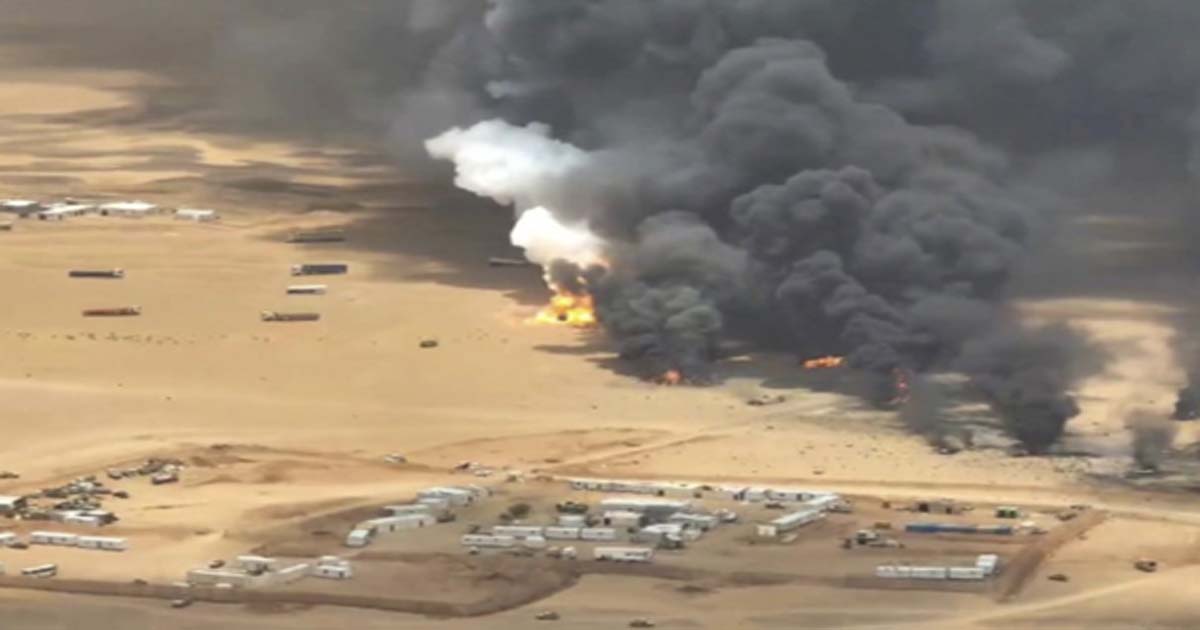
Riyadh, Sept 10: The Houthi group launched ballistic missile and drone attacks targeting the Saudi cities of Khamis Mushait, Abha and Jazan, the Saudi-led coalition supporting the internationally recognised government in Yemen said.
In a statement on social media platform X, coalition spokesperson Turki Al-Maliki said the Houthis were continuing attacks on the kingdom’s national assets and infrastructure, reflecting what he described as the group’s extremist approach toward escalation and the targeting of civilians in Saudi Arabia, reports Xinhua news agency.
The coalition’s Joint Forces Command would respond to protect the kingdom’s sovereignty, national assets, civilians and civilian objects, he added.
The attacks on Wednesday (local time) came amid a sharp escalation between the Houthis and Saudi Arabia.
Earlier on Wednesday, the Houthi group said dozens of “Saudi airstrikes” had struck areas under its control over the past 12 hours.
The cross-border exchanges have unfolded alongside a sharp escalation inside Yemen, where government forces and the Houthis are fighting on several fronts, most intensely in the country’s western areas. The escalation threatens to end several years of relative calm on Yemen’s major frontlines following a UN-brokered truce that took effect in April 2022.
Earlier on Tuesday, the United Nations condemned the cross-border attacks by the Houthis in Yemen against multiple sites in southern Saudi Arabia, which affected civilian and energy infrastructure.
The world body also expressed deep concern over reports of civilian casualties in the attacks, said Stephane Dujarric, spokesperson for UN Secretary-General Antonio Guterres.
The United Nations is equally concerned by the intensification of military clashes across multiple front lines within Yemen, particularly reports of possible civilian casualties resulting from the fighting, said the spokesperson.
UN Special Envoy for Yemen Hans Grundberg continues engaging directly with the parties with the aim of containing the current escalation and preserving space for dialogue. Continued military escalation risks devastating political, economic and security ramifications for Yemen. The parties should engage constructively with UN-led political efforts, said the spokesperson.
The UN Office for the Coordination of Humanitarian Affairs (OCHA) said an escalation in fighting in Yemen is devastating communities already struggling to survive after more than a decade of conflict.
More than 5,600 households have been displaced across Taiz governorate and southern Al Hodeidah governorate since the escalation in fighting on Thursday. At least 11 civilian casualties have been reported in the last week, including two children killed and nine people injured, said the office.

disaster
Nepal floods: 1455 confirmed dead, 5285 still missing as search and rescue operations wrap up

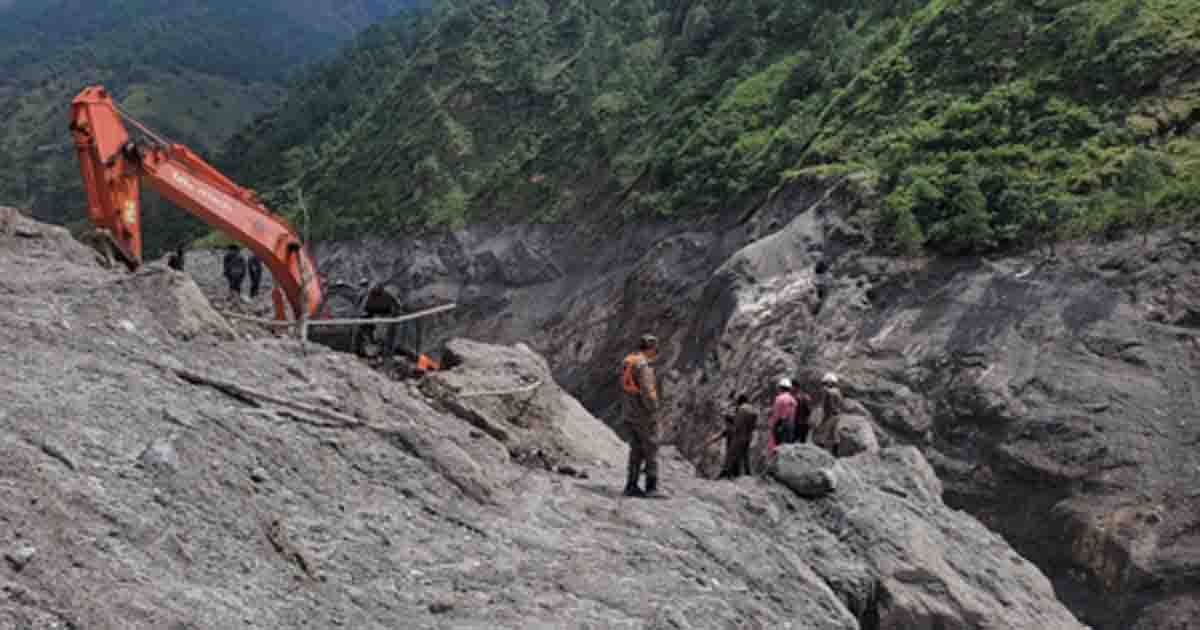
Kathmandu, Oct 5: The Nepali government has decided to call off the search and rescue operations launched following the deadly floods that struck the country on August 26, as hopes of finding survivors have faded, the Prime Minister’s Secretariat said on Monday.
Forty days after floods in the Bhotekoshi and Trishuli rivers devastated communities and infrastructure along the river corridors, the government has now prioritised reconstruction and rehabilitation efforts.
The decision was taken based on recommendations from district security committees, district disaster management committees, the Executive Committee of the National Disaster Risk Reduction and Management Authority, and findings from field inspections, the Prime Minister’s Secretariat said.
A total of 1,455 people have been confirmed dead and 5,285 remain missing following the disaster till date, according to the National Disaster Risk Reduction and Management Authority.
The meeting also decided to recommend a budget of NPR 559.18 billion ($3.62 billion) to the Ministry of Finance for 504 plans and programmes aimed at reconstructing and rehabilitating areas affected by the August 26 disaster and other monsoon-related disasters.
According to the Rapid Disaster Needs Assessment (RDNA) report prepared by a joint technical team of the National Planning Commission and the National Disaster Risk Reduction and Management Authority, the recent floods are estimated to have caused physical damage worth NPR 274.48 billion, while overall losses and damages have reached NPR 408.28 billion.
The preliminary assessment suggests that more than NPR 723 billion will be required for the reconstruction and recovery of affected infrastructure and assets. Now, the Nepali government has been working on a Post-Disaster Needs Assessment with an extensive assessment of damages.
The council directed the National Disaster Risk Reduction and Management Authority to recommend additional budgetary arrangements once details are received for projects whose cost estimates have not yet been determined or which have yet to be prioritised.
Prime Minister Balendra Shah said disaster management efforts had been carried out through coordination among the federal, provincial and local governments, adding that reconstruction and rehabilitation would also proceed through the same mechanism.
The meeting expressed sorrow over the loss of lives and property caused by the Bhotekoshi-Trishuli floods and other monsoon-related disasters. It paid tribute to those who lost their lives and expressed condolences to their bereaved families.
The council also thanked security personnel, elected representatives, civil servants, private-sector organisations, volunteers and media personnel involved in search, rescue, relief and rehabilitation operations, as well as donor countries and development partners that assisted during the crisis.
International News
Iran to pursue US seizure of commercial ship during truce in international courts: official
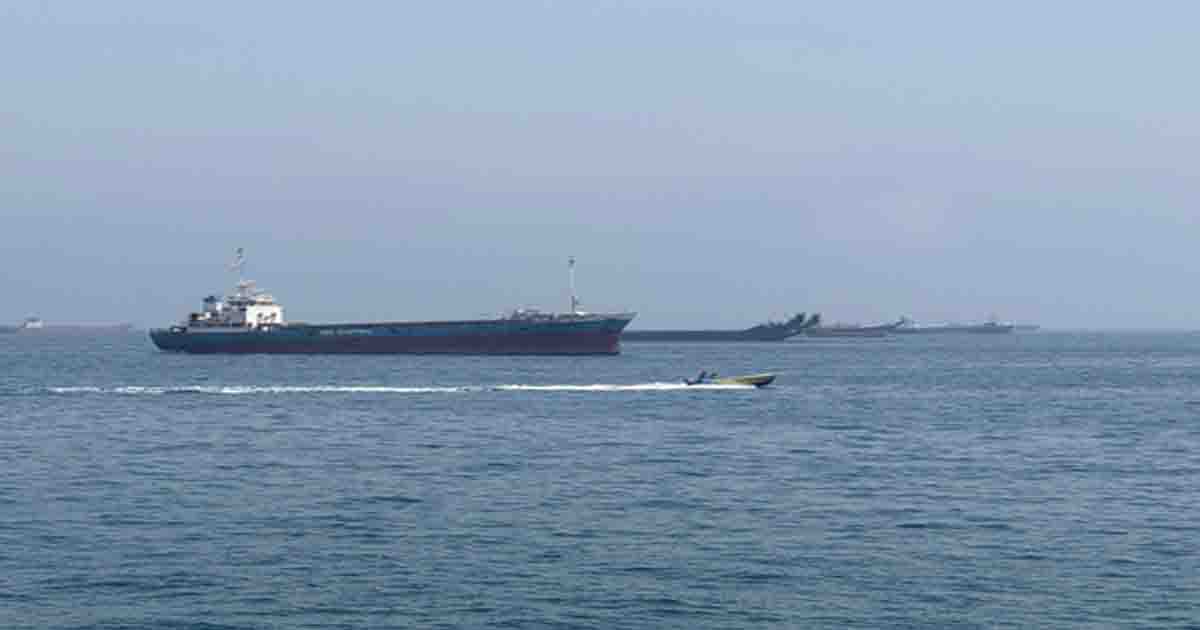
Tehran, Oct 3: A senior Iranian shipping official has said the country will pursue in international courts the US attack on and seizure of one of its container ships, which took place in April during the ceasefire between Tehran and Washington, the official news agency IRNA reported Saturday.
Mohammad-Reza Modarres Khiabani, CEO of the Islamic Republic of Iran Shipping Lines, made the remarks at a meeting in Tehran while describing as a “war crime” the US forces’ boarding and seizure of the Iranian-flagged vessel Touska off the coast of Iran’s southeastern Chabahar port in the Gulf of Oman on April 19, said the report.
He said the ship was carrying medicines related to the Iranian Red Crescent Society and dialysis patients, noting that attacking a commercial ship during the ceasefire constitutes a “war crime and violation of the truce,” Xinhua News Agency reported.
He also said that the imposition of any form of naval blockade violated international law and constituted a “hostile” act, alleging that the US Navy struck Touska’s engine room and took 28 crew members hostage.
Meanwhile, US President Donald Trump declined to reveal his next move on Iran, saying the situation was “working out very well” and predicting that the conflict would not last long.
Trump made the remarks while speaking to reporters at the White House before departing aboard Marine One.
Asked what his next step regarding Iran would be, Trump initially suggested that disclosing it would make major news.
“That’s very, oh, it’s — well, if I told you, you’d have a major story, right? But you’ll see. Working out very well. Iran is not doing well,” Trump said.
The President did not elaborate on what action his administration was considering or provide a timetable.
But later in the same exchange with reporters, Trump again referred to Iran while discussing global energy supplies and his efforts to get Europe to put more diesel into the market.
International News
Capt Smit Machchhar under excellent medical care, recovering well: Indian Embassy in UAE
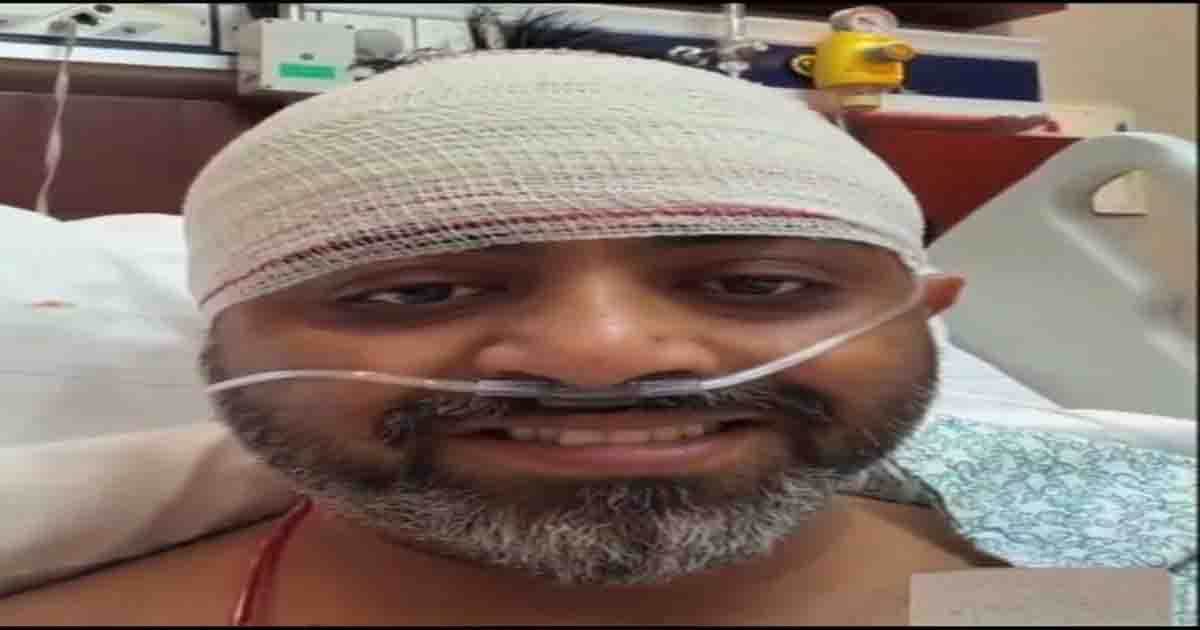
Abu Dhabi, Oct 3: Captain Smit Machchhar, the brave Indian pilot of flydubai flight FZ1073, is responding well to treatment and continues to receive medical attention, the Indian Embassy in the UAE said on Saturday.
The mission said it was coordinating with his family and local authorities. It also thanked the UAE government for the care being extended to him.
“Indian braveheart Capt. Smit remains under excellent medical care & is recovering well. We are in touch with his family & local authorities, extending support for a speedy recovery. Our thanks to UAE gov. for their care. We join well-wishers in praying for his good health,” the Indian mission posted on X.
Captain Machchhar was injured while preventing a mid-air attack on Wednesday aboard the flydubai flight from Dubai to Israel.
During the incident, another pilot stabbed Captain Machchhar and the aircraft began to plummet.
The Indian pilot fought the assailant bravely and opened the cockpit door, following which passengers rushed to assist, entered the cockpit and overpowered the attacker.
Once the attacker was subdued, the seriously wounded Indian pilot was stabilised until the aircraft made an emergency landing in Saudi Arabia.
Prime Minister Narendra Modi on Friday spoke with Captain Machchhar over a video call, praising his courage, presence of mind and composure during the mid-air incident in which he helped save the lives of passengers and crew members.
During the conversation, PM Modi said the country could proudly say that Indians are not those who take lives, but those who are willing to risk their own lives to save others.
PM Modi began the conversation by asking about Captain Machchhar’s health and said the entire country was praying for his speedy recovery.
“The whole country is praying for you. Maha Mrityunjaya Jaap is being performed for you and your health. Your courage, presence of mind and composure saved many lives. The country can proudly say that Indians are not those who take lives, but those who are willing to risk their lives to save others,” PM Modi said.
Captain Machchhar nodded and responded, “Yes, sir.”
The Indian pilot has also received recognition from across the world, with leaders and people lauding his bravery and actions that helped save hundreds of lives during the mid-air attack.

Nepal floods: 1455 confirmed dead, 5285 still missing as search and rescue operations wrap up

BJP like declining British empire: Sanjay Raut on CM Fadnavis’ ‘Ghajini’ remark

Rakul Preet Singh breaks silence on IT raid reports, clarifies, ‘The search was not pertaining to me’

Shiv Sena(UBT) attacks Maha govt over rising farmer distress as monsoon retreats dry

Current SIR exercise natural next phase of decades-old tradition, says CM Fadnavis

Gift to President Putin part of PM Modi bid to globally display India’s heritage

PM Modi’s warm camaraderie with Putin, Xi on full display at BRICS Summit

Corporators of all parties in trouble! Corporators of all major parties including Shiv Sena (UBT), BJP and Congress are facing legal challenges.

Complaint against Netflix & Mukesh Chhabra for inappropriate language on ‘India’s Got Latent 2’

Maha Congress stages agitation against Gyanesh Kumar
-

 Crime4 years ago
Class 10 student jumps to death in Jaipur
-

 Maharashtra2 years ago
Mumbai Local Train Update: Central Railway’s New Timetable Comes Into Effect; Check Full List Of Revised Timings & Stations
-

 Maharashtra2 years ago
Mumbai To Go Toll-Free Tonight! Maharashtra Govt Announces Complete Toll Waiver For Light Motor Vehicles At All 5 Entry Points Of City
-

 Maharashtra2 years ago
False photo of Imtiaz Jaleel’s rally, exposing the fooling conspiracy
-

 National News2 years ago
Ministry of Railways rolls out Special Drive 4.0 with focus on digitisation, cleanliness, inclusiveness and grievance redressal
-

 Maharashtra2 years ago
Maharashtra Elections 2024: Mumbai Metro & BEST Services Extended Till Midnight On Voting Day
-

 National News2 years ago
J&K: 4 Jawans Killed, 28 Injured After Bus Carrying BSF Personnel For Poll Duty Falls Into Gorge In Budgam; Terrifying Visuals Surface
-

 Crime2 years ago
Baba Siddique Murder: Mumbai Police Unable To Get Lawrence Bishnoi Custody Due To Home Ministry Order, Says Report