
National News
Madhya Pradesh comes up with Annadata Kalyan Mission in policy mode

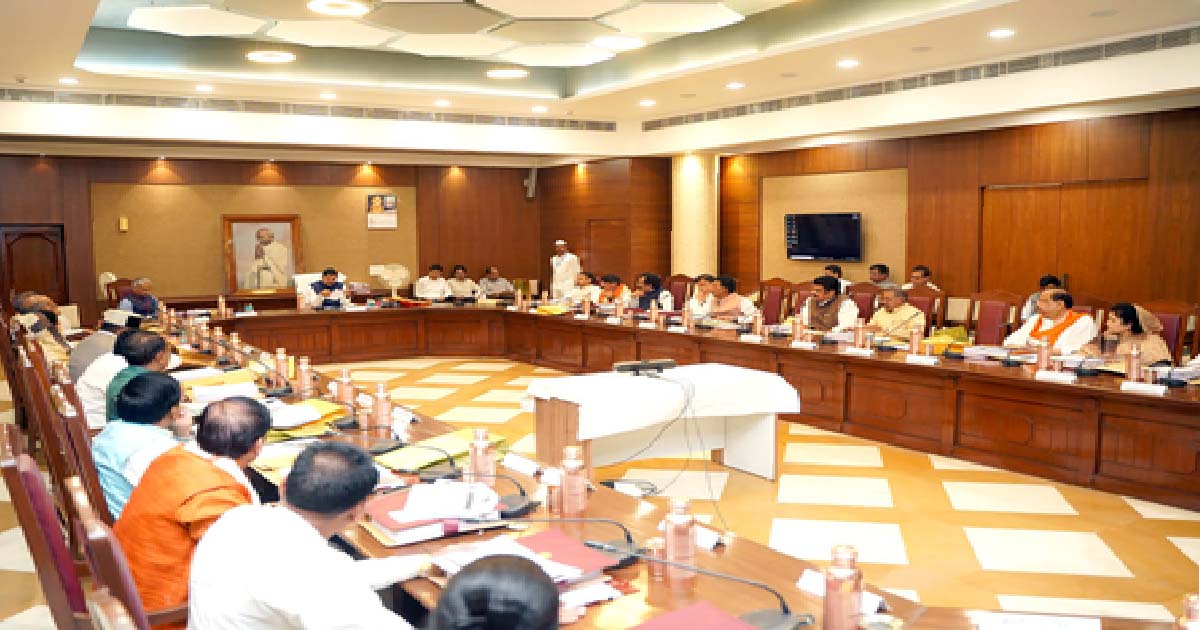
Bhopal, April 15: In alignment with Prime Minister Narendra Modi’s vision of Gareeb, Yuva, Annadata, and Nari (Poor, Youth, Farmer, and Woman), the Madhya Pradesh government on Tuesday launched ‘Annadata Kalyan Mission’ (Farmers’ welfare mission) in a “Policy frame”.
The state cabinet in a meeting chaired by Chief Minister Mohan Yadav has approved the policy.
The state government is aiming to implement a comprehensive policy to increase farmers’ income through diverse activities beyond traditional agriculture.
“The policy has been designed to augment farmers’ earnings through allied sectors, adopting a multidimensional approach to their growth and prosperity. Over the years, agricultural productivity has shown remarkable progress, with yields per hectare rising from 1,195 kg in 2003 to 2,393 kg in 2024 — a significant increase of nearly 200 per cent,” said Kailash Vijayvargiya, the State Urban Development Minister.
The mission aspires to transform farmers into progressive entrepreneurs, promoting practices such as organic farming to boost productivity while safeguarding environmental health, the minister said.
Support will also be extended to farmers cultivating high-value horticultural crops, offering them better market returns. Programmes from horticulture, veterinary, and fisheries departments, among others, will be integrated to provide holistic assistance to the farming community, he said.
“We have already launched policies for the poor, youth, and women in mission mode, as envisioned in the Prime Minister’s GYAN concept. The Annadata initiative will also operate in mission mode,” he added.
Emphasising the state government’s commitment to farmers, the minister pointed out that the agricultural budget has witnessed an exponential rise — from Rs 600 crore during the previous administration to Rs 27,000 crore under the current regime. Furthermore, through the Nadi Jodo Abhiyan (river linking project), Rs 1,00,000 crore has been allocated to enhance irrigation infrastructure, with plans to expand irrigated land across the state. Agriculture now constitutes 39 per cent of the state’s GDP, he said.
“A high-level committee has been established under the chairmanship of Chief Minister Mohan Yadav, while another will be formed under the Chief Secretary’s leadership. Similar committees will be constituted at the district level to ensure streamlined implementation,” the Minister elaborated.
Highlighting the impressive growth in the agricultural sector, the Minister noted that the agriculture growth rate has surged from 3 per cent in 2003 to the current rate of 9.1 per cent, reflecting an extraordinary increase of over 327 per cent.
He attributed this achievement to consistent hikes in the Minimum Support Price (MSP) for farm yields and the implementation of various welfare initiatives aimed at bolstering the farming community.
Acknowledging the challenges posed by climate change, the Minister underscored the need to adapt farming practices accordingly. “Sustainable agriculture and biodiversity are being prioritised to ensure resilience and sustained productivity,” he said.
To promote millet cultivation on a large scale, the government has launched schemes focusing on Shree Anna.
Sharing an example from Rourkela, the Minister remarked, “When I visited the town, I saw women who were well-dressed and adorned with gold jewelry — a testament to the success of Shree Anna cultivation, which has significantly enhanced their family incomes,” Vijayvargiya said.
“They sell millet at Rs 60 per kg, compared to the previous Rs 1-2 per kg, illustrating the transformative impact of this initiative. Ensuring farmers receive the right price for their produce remains a priority,” the Minister said.
The Farmers Welfare Department of Madhya Pradesh and the Horticulture Cooperative Department will collaborate to drive farmer development.
Complementary measures such as interventions in public health and medical education, are being introduced to support rural communities.
Collectively, these policies aim to revolutionize the agricultural sector, empowering farmers to achieve sustainable and profitable livelihoods.
Financial assistance under the mission is designed to alleviate farmers’ economic burdens by offering affordable loans tailored to their needs, the Minister added.

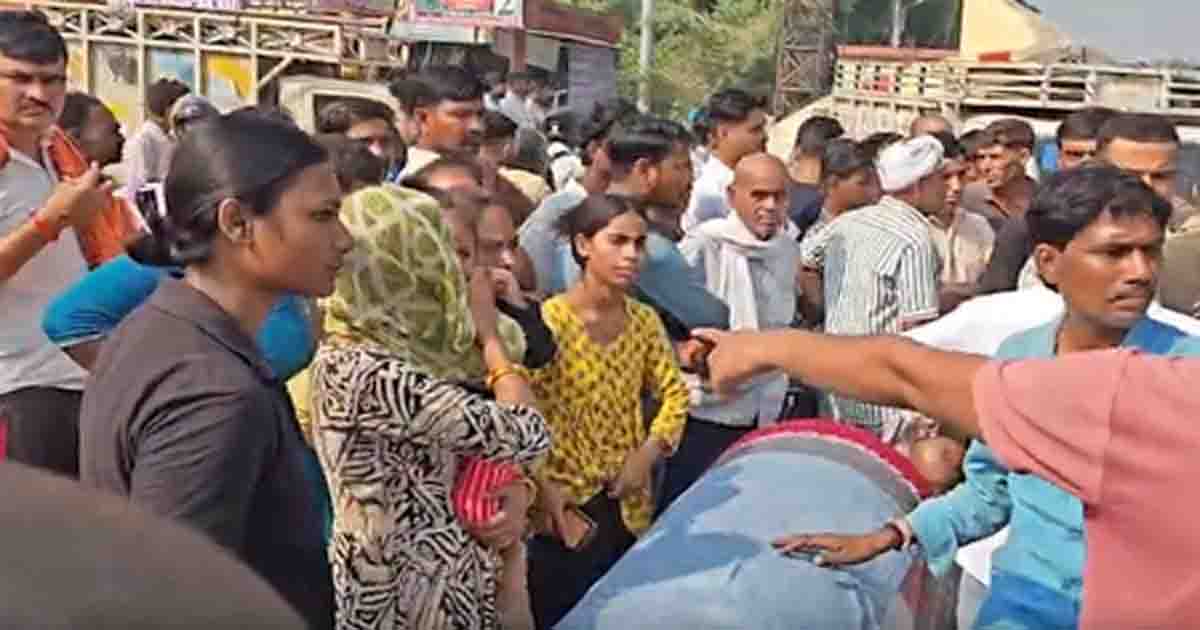
The death of 37-year-old Biru Singh Bhadauria in the Hanumant Vihar police station area of Uttar Pradesh’s Kanpur has triggered a major controversy, as his family rejected the police account that he died in a road accident and alleged instead that he was murdered.
On Thursday, the family staged a protest by placing his body on the highway leading towards Hamirpur, demanding the immediate arrest of those allegedly responsible for his death.
The case has taken a fresh turn after an eyewitness, identified as Rahul, questioned the police version of events and claimed that Biru’s death was not accidental but the result of a deliberate act.
According to the victim’s family, Biru Singh Bhadauria worked as a salesman for a food products company. They alleged that he had a dispute a few days earlier with Rajveer and Mewalal, both residents of Khadepur Nai Basti, following which tensions had reportedly continued between the two sides.
The family claimed that on Tuesday night, Biru was returning home after visiting a Dussehra fair when Mewalal arrived at the spot in a car.
According to their account, three other men, including Rajveer, were also travelling in the vehicle. The group allegedly stopped Biru and assaulted him. When he attempted to escape, they hit him with the car. The family further alleged that the men then placed him on the roof of the vehicle and drove away.
Speaking to Media, the victim’s wife rejected the suggestion that her husband had died in an accident, and said, “I am saying that it was not an accident. It was murder, committed by five people. They are saying it was an accident, but it was not an accident; it was murder committed by five people.”
Eyewitness Rahul has also challenged the police’s account, alleging that the circumstances surrounding the incident point towards a deliberate act rather than a routine road accident. He claimed to have personally seen the men place Biru on the roof of the car before driving away.
“The police are misrepresenting the sequence of events. This was not a routine road accident, but a case of murder. I have personally witnessed individuals placing the man on the roof of the car and driving away,” Rahul said.
He further alleged that Biru’s hands had become trapped in the openings of the car’s front windows as the vehicle moved forward.
“Both of the man’s hands were trapped inside the car’s front window openings. The vehicle was driven forward, and the man was subsequently thrown off before the accused fled the scene,” Rahul added.
However, the allegations made by the family and the eyewitness remain to be established, and their veracity can only be determined through a thorough investigation by the police.
Meanwhile, a video circulating on social media purportedly shows a car travelling at high speed. It is alleged that Rahul was pursuing the vehicle on a motorcycle at the time of the incident.
CCTV footage related to the case has also emerged, with the family claiming that the entire sequence of events was captured by more than 12 surveillance cameras installed in the area.
The family has alleged that despite the availability of potential evidence, the police initially registered the case as a death caused by an “unknown vehicle”, treating it as a hit-and-run incident.
They have expressed dissatisfaction with the initial handling of the matter and are demanding that the case be investigated from the perspective of murder, with strict legal action taken against all those found responsible.
Following the incident, Biru was taken to a hospital, where doctors declared him dead at around 3 p.m. on Wednesday. His death subsequently led to demands from the family for a thorough investigation and action against the people they accuse of being involved.
The family alleged that the police were not taking effective action, prompting them to block the highway with Biru’s body in protest. During the demonstration, they remained firm on their demand for the immediate arrest of the accused and strict action, refusing to withdraw until their concerns were addressed.
The highway blockade was eventually lifted after police personnel intervened and assured the family that appropriate action would be taken. Following the assurance, the family removed the body from the road, allowing traffic movement to resume.
At present, both the victim’s family and eyewitness Rahul maintain that Biru’s death was the result of murder rather than a road accident.
International News
Indian national among two people killed in attack on Saudi Arabia’s airport, two Indians injured

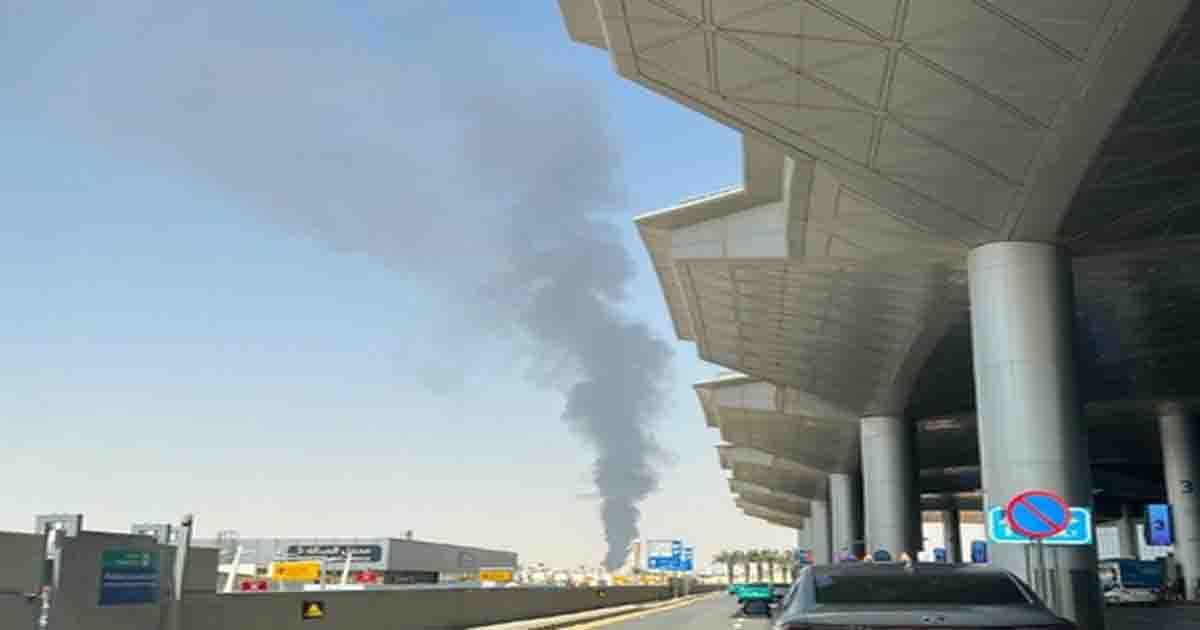
An Indian national was among two people killed, while two other Indian nationals were injured, in an attack on King Fahd International Airport in Saudi Arabia’s Dammam on Wednesday, the Indian Embassy said on Thursday.
The Indian Embassy in Saudi Arabia said that it is ascertaining further details and contacting the affected families.
“Saudi authorities have informed that one Indian national was among two people who unfortunately lost their lives in the attack on Dammam airport yesterday night and two Indian nationals were injured. We are ascertaining further details and contacting the affected families. Our thoughts and prayers are with the family and loved ones of the deceased and we wish speedy recovery of the injured,” it said in a post on X.
Earlier in the day, Saudi Arabia’s General Authority of Civil Aviation (GACA) said that two people were killed in the attack that targeted King Fahd International Airport on Wednesday, which includes one Indian resident and one Saudi citizen. It further said that eight people were injured in the attack.
In a statement shared on X, the GACA said, “Further to its earlier statement regarding the attack that targeted King Fahd International Airport in Dammam on the evening of Wednesday, October 21, 2026, corresponding to 10 Jumada Al-Awwal 1448 AH, the General Authority of Civil Aviation (GACA) clarifies that the number of fatalities has risen to (2) after an additional fatality was confirmed, involving (1) Saudi citizen and (1) Indian resident. The number of the injured remains at (8), including (1) Saudi citizen, and residents of the following nationalities: (2) Indian, (2) Yemeni, (2) Bangladeshi, and (1) Nepalese. Their injuries range from minor to critical, and they are receiving the necessary medical care at several hospitals.”
Saudi Arabia’s GACA stated that it is working in coordination with the relevant authorities to complete the damage assessment, verify the safety of the facilities, and take the necessary measures to ensure the safety of passengers and personnel and maintain the security and safety of Saudi Arabia’s civil aviation system. It further mentioned that airport operations have resumed and air traffic has returned to normal.
On Sunday, the Indian Embassy advised its nationals in Saudi Arabia to take due precautions under the prevailing situation, visit the nearest safe place in case of an aerial attack, and refrain from filming, publishing or sharing any information, photos and videos regarding the ongoing events.
“The Indian Community in Saudi Arabia is advised to take due precautions under the prevailing situation. In case of an aerial attack, immediately proceed to the nearest safe place (inside a building or an interior room away from windows), and refrain from filming, publishing, or sharing any information, photos, or videos related to the ongoing events,” it posted on X.
The Embassy said that its officials continue to visit hospitals where Indian nationals are undergoing treatment and are in constant touch with their families and providing necessary assistance.
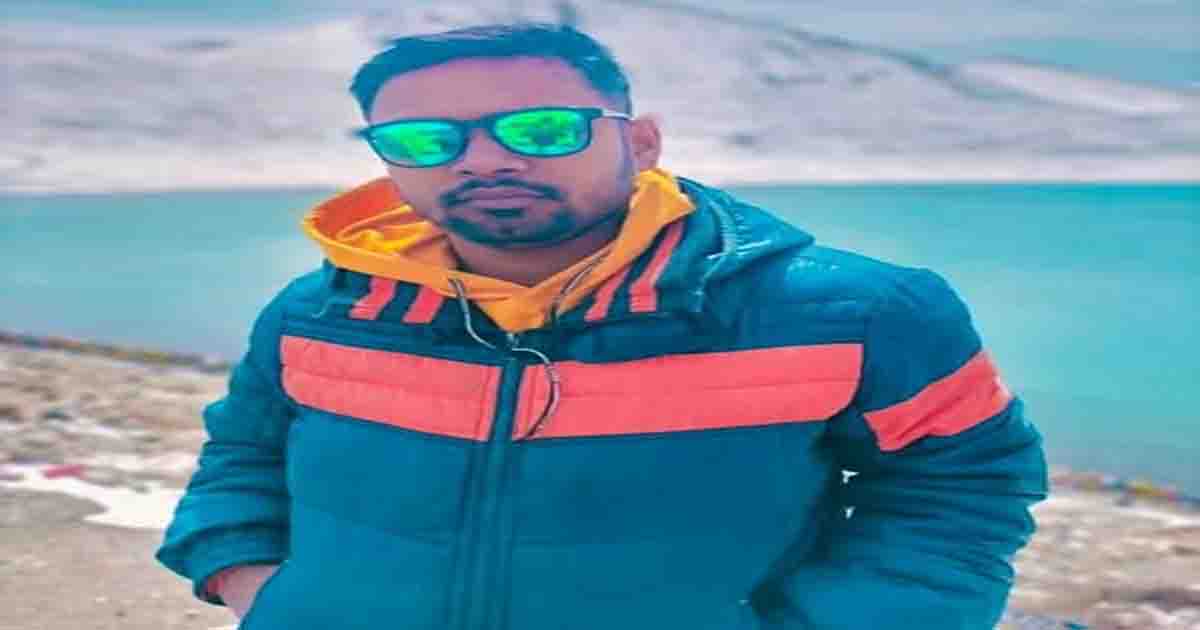
Police said on Thursday that a Bharatiya Janata Party (BJP) worker was first brutally hacked and then shot dead by a group of miscreants in a minority-dominated Malda district in West Bengal.
The incident occurred on Wednesday night. The deceased has been identified as Samir Ghosh.
“As per information available so far, a group of assassins first hacked Ghosh brutally. Thereafter, to ensure his death, he was shot from close range, which led to his death on the spot,” said a state police officer.
After receiving news of the incident, high-ranking police officials from the district reached the spot on Wednesday night.
The reason for this murder and those involved in the brutal killing were being investigated.
The police have detained one person who was being questioned.
Gosh’s family members have accused local miscreants associated with Trinamool Congress of being responsible for the brutal murder because he was associated with the BJP.
However, the local Trinamool Congress leadership has denied the allegations. Acute tension prevailed in the area.
It is learnt that the incident took place on Wednesday night in the Ramkeli area of English Bazar police station in Malda district. Allegedly, while the people were busy with idol immersion, some people entered Gosh’s house.
It is alleged that before anyone realised anything, he was attacked with sharp weapons. After that, he was also shot at from a close range to ensure his death, his family members alleged.
The brother of the deceased BJP worker said that his brother had been receiving threats in various ways for a long time for his association with the BJP, and he was even asked to leave the locality.
However, he did not leave the house out of fear. The incident took place on the occasion of Vijaya Dashami.
The brother of the deceased person also alleged that Gosh was alone at home at the time of the incident. The miscreants took advantage of that opportunity and entered the house and committed the brutal act.
The brother also claimed that all the accused persons have links with the Trinamool Congress. He also claimed that this murder had been planned for a long time.

Kanpur man’s death: Family alleges murder, blocks highway with body

Indian national among two people killed in attack on Saudi Arabia’s airport, two Indians injured

BJP worker brutally attacked, shot dead in Bengal’s Malda; police detain one

Delhi Police busts interstate heroin network, arrests seven; drugs worth Rs 60 Cr seized

One killed, 100 injured in traditional stick fight in Andhra Kurnool

Rahul, Cong ecosystem want to force regime change: BJP after Neha Bora praises B’desh Gen-Z protest

Attack on democratic rights: INDIA Bloc leaders on detentions of anti-ECI protestors

BJP pays tribute to ex-President Abdul Kalam, recalls his enduring influence on generations of India’s youth

INDIA bloc begins protest march against ECI

Maha Congress stages agitation against Gyanesh Kumar
-

 Crime4 years ago
Class 10 student jumps to death in Jaipur
-

 Maharashtra2 years ago
Mumbai Local Train Update: Central Railway’s New Timetable Comes Into Effect; Check Full List Of Revised Timings & Stations
-

 Maharashtra2 years ago
Mumbai To Go Toll-Free Tonight! Maharashtra Govt Announces Complete Toll Waiver For Light Motor Vehicles At All 5 Entry Points Of City
-

 Maharashtra2 years ago
False photo of Imtiaz Jaleel’s rally, exposing the fooling conspiracy
-

 National News2 years ago
Ministry of Railways rolls out Special Drive 4.0 with focus on digitisation, cleanliness, inclusiveness and grievance redressal
-

 Maharashtra2 years ago
Maharashtra Elections 2024: Mumbai Metro & BEST Services Extended Till Midnight On Voting Day
-

 National News2 years ago
J&K: 4 Jawans Killed, 28 Injured After Bus Carrying BSF Personnel For Poll Duty Falls Into Gorge In Budgam; Terrifying Visuals Surface
-

 Crime2 years ago
Baba Siddique Murder: Mumbai Police Unable To Get Lawrence Bishnoi Custody Due To Home Ministry Order, Says Report