
International News
Iran launches series of strikes on US targets in Middle East: Report

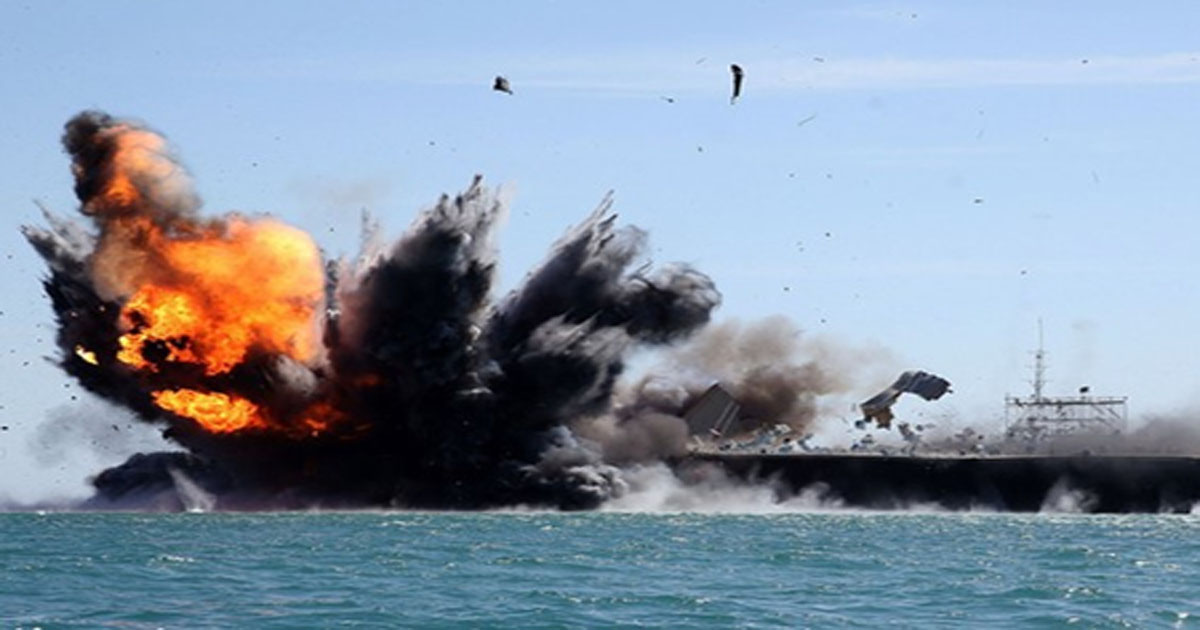
Tehran, July 12: Iran has launched a series of strikes on US targets in the Middle East, Press TV reported on Sunday.
Missile alert sirens sounded in Bahrain as the United Arab Emirates (UAE) and Qatar also came under attack, reports said.
The UAE Defence Ministry said Sunday that its air defence systems were engaging missile and drone threats, while Bahrain’s Interior Ministry urged residents to remain calm and proceed to the nearest safe location.
According to Press TV reports, the US targets hit in the latest Iranian strikes included a Patriot air defense system, an ammunition depot and a US military radar facility in Kuwait.
In response to US attacks, Iran also targeted a US military communications facility and a radar facility in Bahrain, and launched a ballistic missile strike against the US airbase of Al Udeid in Qatar, according to the reports.
Iran’s Islamic Revolution Guard Corps said Sunday that its aerospace forces had carried out a heavy attack on US aircraft carrier support and refueling facilities at Oman’s Port of Duqm, adding that the operation targeted logistical support centers for US naval vessels.
Earlier, US launched a third round of strikes against Iran after the Islamic Revolutionary Guard Corps attacked a Cyprus-flagged container ship in the Strait of Hormuz, the US military said.
US Central Command said its forces began the strikes at 7:15 p.m. Eastern Time (4.45 am Sunday Indian time). It said the operation was ordered by President Donald Trump in his capacity as commander in chief.
The latest military action followed an attack on the M/V GFS Galaxy, a commercial container ship sailing through the strategic waterway.
“At 7:15 p.m. ET today, US Central Command forces began launching the third round of strikes this week against Iran after Islamic Revolutionary Guard Corps forces blatantly attacked M/V GFS Galaxy, a Cyprus-flagged container ship transiting the Strait of Hormuz,” CENTCOM said in a statement.
The command did not immediately identify the locations struck or provide details about the targets. It also did not say which weapons were being used in the operation.
A civilian crew member remained missing after the attack on the vessel, according to CENTCOM.


International News
Iran to pursue US seizure of commercial ship during truce in international courts: official

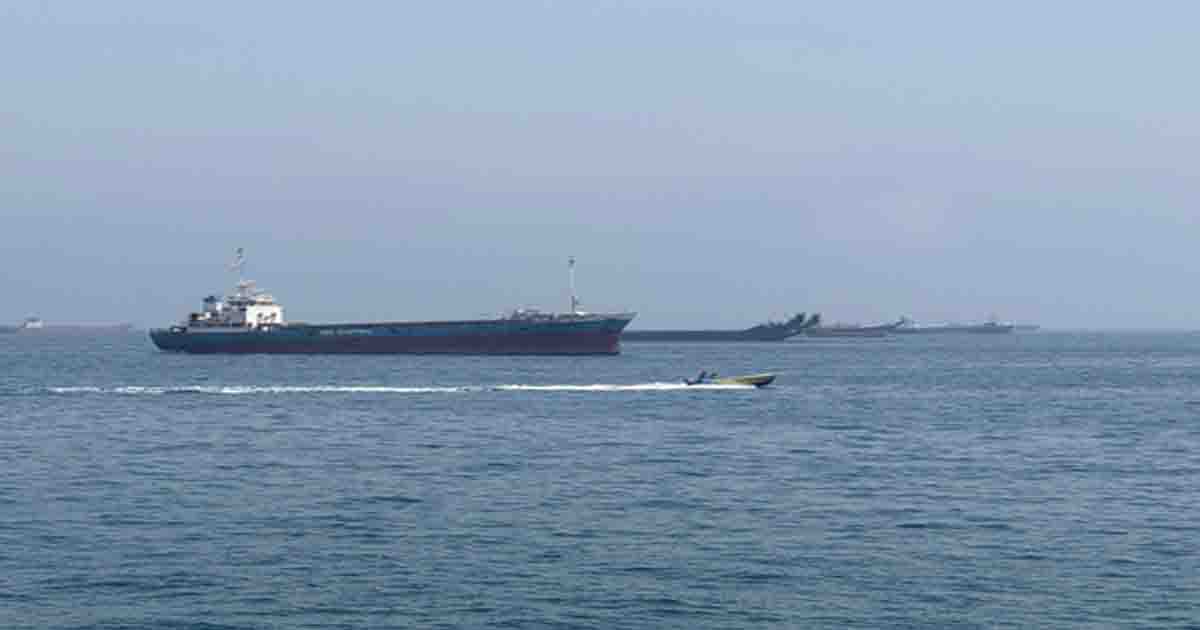
Tehran, Oct 3: A senior Iranian shipping official has said the country will pursue in international courts the US attack on and seizure of one of its container ships, which took place in April during the ceasefire between Tehran and Washington, the official news agency IRNA reported Saturday.
Mohammad-Reza Modarres Khiabani, CEO of the Islamic Republic of Iran Shipping Lines, made the remarks at a meeting in Tehran while describing as a “war crime” the US forces’ boarding and seizure of the Iranian-flagged vessel Touska off the coast of Iran’s southeastern Chabahar port in the Gulf of Oman on April 19, said the report.
He said the ship was carrying medicines related to the Iranian Red Crescent Society and dialysis patients, noting that attacking a commercial ship during the ceasefire constitutes a “war crime and violation of the truce,” Xinhua News Agency reported.
He also said that the imposition of any form of naval blockade violated international law and constituted a “hostile” act, alleging that the US Navy struck Touska’s engine room and took 28 crew members hostage.
Meanwhile, US President Donald Trump declined to reveal his next move on Iran, saying the situation was “working out very well” and predicting that the conflict would not last long.
Trump made the remarks while speaking to reporters at the White House before departing aboard Marine One.
Asked what his next step regarding Iran would be, Trump initially suggested that disclosing it would make major news.
“That’s very, oh, it’s — well, if I told you, you’d have a major story, right? But you’ll see. Working out very well. Iran is not doing well,” Trump said.
The President did not elaborate on what action his administration was considering or provide a timetable.
But later in the same exchange with reporters, Trump again referred to Iran while discussing global energy supplies and his efforts to get Europe to put more diesel into the market.
International News
Capt Smit Machchhar under excellent medical care, recovering well: Indian Embassy in UAE
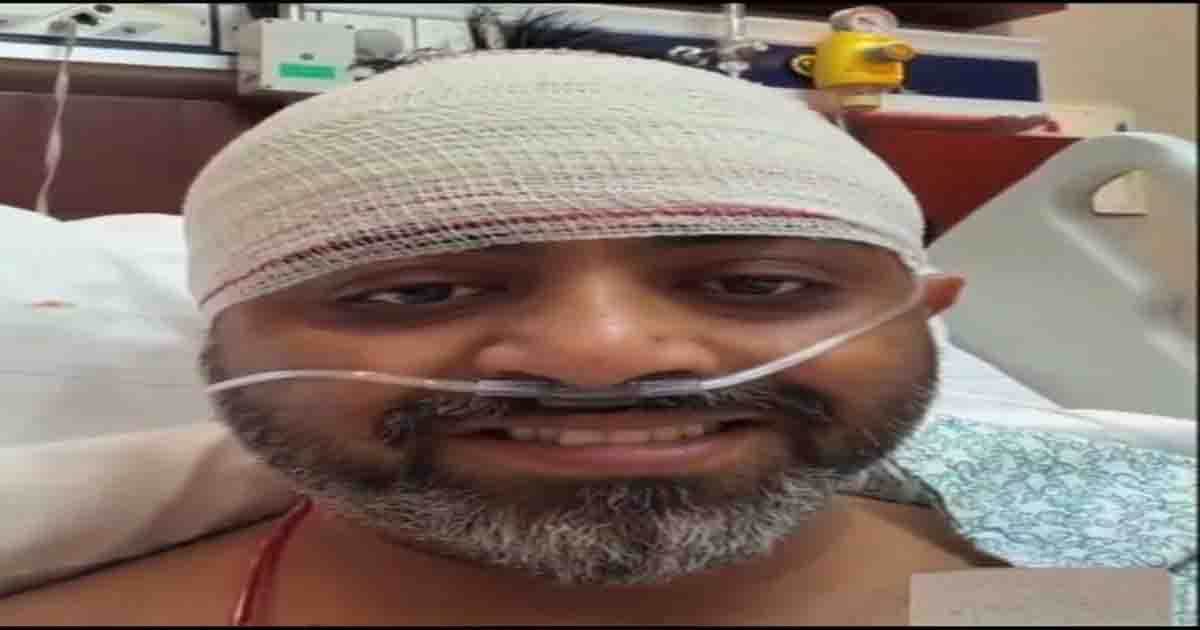
Abu Dhabi, Oct 3: Captain Smit Machchhar, the brave Indian pilot of flydubai flight FZ1073, is responding well to treatment and continues to receive medical attention, the Indian Embassy in the UAE said on Saturday.
The mission said it was coordinating with his family and local authorities. It also thanked the UAE government for the care being extended to him.
“Indian braveheart Capt. Smit remains under excellent medical care & is recovering well. We are in touch with his family & local authorities, extending support for a speedy recovery. Our thanks to UAE gov. for their care. We join well-wishers in praying for his good health,” the Indian mission posted on X.
Captain Machchhar was injured while preventing a mid-air attack on Wednesday aboard the flydubai flight from Dubai to Israel.
During the incident, another pilot stabbed Captain Machchhar and the aircraft began to plummet.
The Indian pilot fought the assailant bravely and opened the cockpit door, following which passengers rushed to assist, entered the cockpit and overpowered the attacker.
Once the attacker was subdued, the seriously wounded Indian pilot was stabilised until the aircraft made an emergency landing in Saudi Arabia.
Prime Minister Narendra Modi on Friday spoke with Captain Machchhar over a video call, praising his courage, presence of mind and composure during the mid-air incident in which he helped save the lives of passengers and crew members.
During the conversation, PM Modi said the country could proudly say that Indians are not those who take lives, but those who are willing to risk their own lives to save others.
PM Modi began the conversation by asking about Captain Machchhar’s health and said the entire country was praying for his speedy recovery.
“The whole country is praying for you. Maha Mrityunjaya Jaap is being performed for you and your health. Your courage, presence of mind and composure saved many lives. The country can proudly say that Indians are not those who take lives, but those who are willing to risk their lives to save others,” PM Modi said.
Captain Machchhar nodded and responded, “Yes, sir.”
The Indian pilot has also received recognition from across the world, with leaders and people lauding his bravery and actions that helped save hundreds of lives during the mid-air attack.
International News
Dubai Crown Prince visits Captain Machchhar, says brave Indian pilot embodies ‘highest degrees of courage’
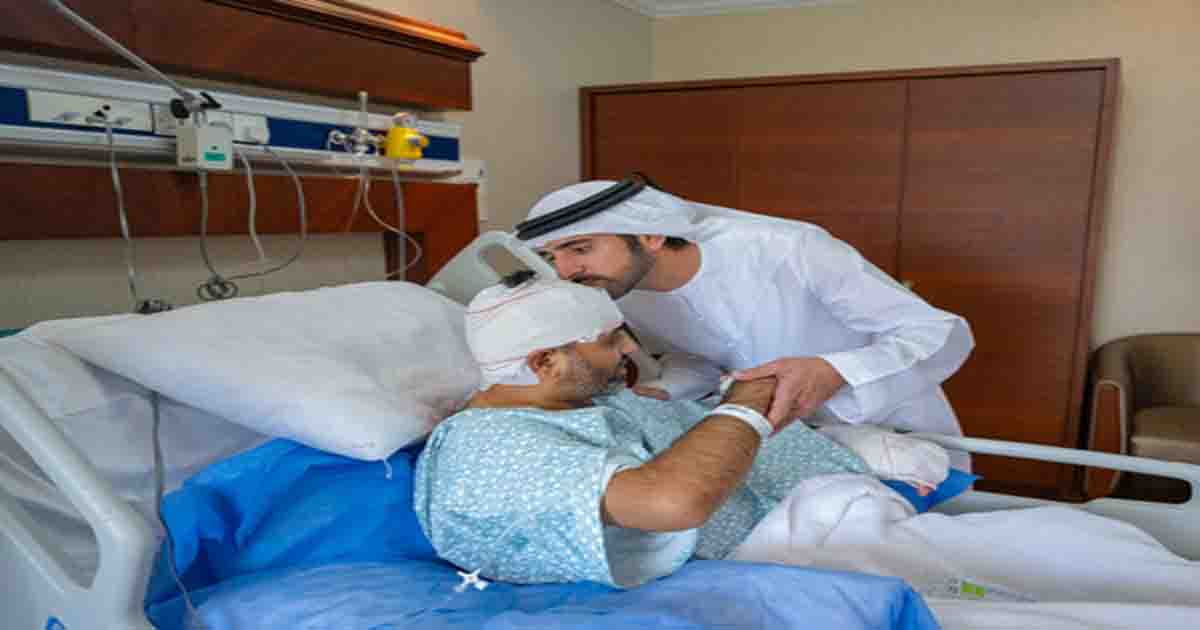
Abu Dhabi, Oct 3: Hamdan bin Mohammed, Crown Prince of Dubai and the Deputy Prime Minister of the United Arab Emirates (UAE), on Saturday visited the brave Indian pilot of flydubai flight FZ1073, Smit Machchhar, in the hospital and praised his courage.
“During a visit to Captain Smit Machchhar… the flydubai pilot who embodied the highest degrees of courage, responsibility, and care for human life. From us, and from the leadership of the nation, he has our full appreciation and praise. We are proud that he is part of our team… part of the story of our nation… and part of what the UAE stands for… a nation of compassion… a nation of peace… and a nation of life,” Hamdan bin Mohammed, who is also UAE’s Minister of Defence and Chairman of The Executive Council of Dubai, wrote on X after the meeting.
Earlier, the Indian Embassy in the UAE said Captain Machchhar is responding well to treatment and continues to receive medical attention.
The mission said it was coordinating with his family and local authorities. It also thanked the UAE government for the care being extended to him.
“Indian braveheart Capt. Smit remains under excellent medical care & is recovering well. We are in touch with his family & local authorities, extending support for a speedy recovery. Our thanks to the UAE gov. for their care. We join well-wishers in praying for his good health,” the Indian mission posted on X.
Captain Machchhar was injured while preventing a mid-air attack on Wednesday aboard the flydubai flight from Dubai to Israel.
During the incident, another pilot stabbed Captain Machchhar and the aircraft began to plummet.
The Indian pilot fought the assailant bravely and opened the cockpit door, following which passengers rushed to assist, entered the cockpit and overpowered the attacker.
Once the attacker was subdued, the seriously wounded Indian pilot was stabilised until the aircraft made an emergency landing in Saudi Arabia.
Prime Minister Narendra Modi on Friday spoke with Captain Machchhar over a video call, praising his courage, presence of mind and composure during the mid-air incident in which he helped save the lives of passengers and crew members.

Deported narco-trafficking kingpin Navpreet Singh sent to 10-day police custody

Kasturba Marg Police recover 100 stolen mobile phones, return them to their original owners

Iran to pursue US seizure of commercial ship during truce in international courts: official

SP changes 2 MLC candidates in UP; fields Akash Agrawal, Sanjay Tripathi

Capt Smit Machchhar under excellent medical care, recovering well: Indian Embassy in UAE

Gift to President Putin part of PM Modi bid to globally display India’s heritage

PM Modi’s warm camaraderie with Putin, Xi on full display at BRICS Summit

Corporators of all parties in trouble! Corporators of all major parties including Shiv Sena (UBT), BJP and Congress are facing legal challenges.

Complaint against Netflix & Mukesh Chhabra for inappropriate language on ‘India’s Got Latent 2’

School bus driver shot at in MP’s Dabra; 50 terrified children on board witness crime
-

 Crime4 years ago
Class 10 student jumps to death in Jaipur
-

 Maharashtra2 years ago
Mumbai Local Train Update: Central Railway’s New Timetable Comes Into Effect; Check Full List Of Revised Timings & Stations
-

 Maharashtra2 years ago
Mumbai To Go Toll-Free Tonight! Maharashtra Govt Announces Complete Toll Waiver For Light Motor Vehicles At All 5 Entry Points Of City
-

 Maharashtra2 years ago
False photo of Imtiaz Jaleel’s rally, exposing the fooling conspiracy
-

 National News2 years ago
Ministry of Railways rolls out Special Drive 4.0 with focus on digitisation, cleanliness, inclusiveness and grievance redressal
-

 Maharashtra2 years ago
Maharashtra Elections 2024: Mumbai Metro & BEST Services Extended Till Midnight On Voting Day
-

 National News2 years ago
J&K: 4 Jawans Killed, 28 Injured After Bus Carrying BSF Personnel For Poll Duty Falls Into Gorge In Budgam; Terrifying Visuals Surface
-

 Crime2 years ago
Baba Siddique Murder: Mumbai Police Unable To Get Lawrence Bishnoi Custody Due To Home Ministry Order, Says Report