
International News
Iran blames US ‘maximalism’ as near-final Islamabad MoU collapses

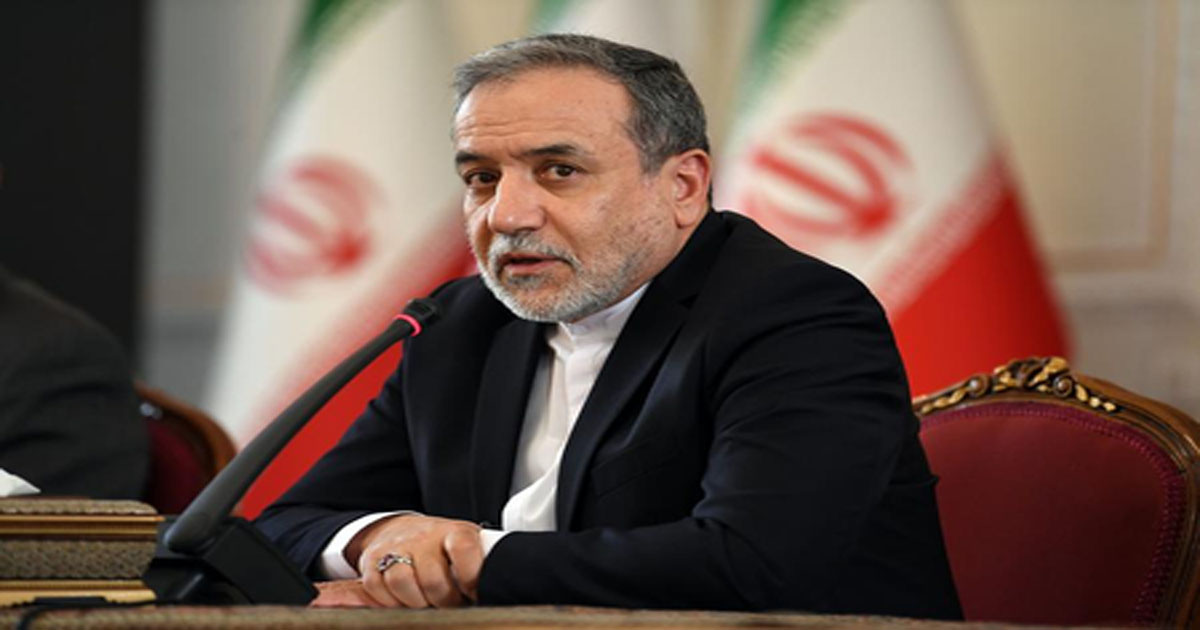
Tehran, April 13: Iran has accused the United States of derailing a potential breakthrough agreement, saying that “maximalism, shifting goalposts, and blockade tactics” prevented what was “inches away” from becoming the proposed “Islamabad MoU”, after 21 hours of intense negotiations ended without a deal.
In a post on X, Iranian Foreign Minister Abbas Araghchi said Tehran had entered into its highest-level direct engagement with Washington in 47 years with sincerity and intent to help bring an end to the ongoing conflict, but lamented that there were “zero lessons earned”.
His assertion that both sides were “inches away” from finalising an agreement highlighted how close the talks had come to success before tensions escalated sharply at the final stage.
“In intensive talks at highest level in 47 years, Iran engaged with US in good faith to end war. But when just inches away from ‘Islamabad MoU’, we encountered maximalism, shifting goalposts, and blockade. Zero lessons earned. Good will begets good will. Enmity begets enmity,” Araghchi posted on X.
Iranian President Masoud Pezeshkian said that the possibility of a diplomatic breakthrough with the United States still exists, provided Washington changes its approach. He urged the US to abandon what he termed “totalitarianism” and to respect Iran’s rights, suggesting that such a shift could pave the way for an agreement.
“If the American government abandons its totalitarianism and respects the rights of the Iranian nation, ways to reach an agreement will certainly be found,” Pezeshkian said in a post on X, while praising members of the negotiating delegation.
Meanwhile, the United States announced that it will begin enforcing a sweeping maritime blockade of vessels entering or exiting Iranian ports from April 13, escalating tensions after high-stakes talks between Washington and Tehran failed to yield agreement on key issues, including Iran’s nuclear programme.
The move, announced by US Central Command (CENTCOM), follows a presidential directive and will target “all maritime traffic entering and exiting Iranian ports”, including those along the Arabian Gulf and Gulf of Oman.
“The blockade will be enforced impartially against vessels of all nations,” CENTCOM said, adding that US forces would not impede ships transiting the Strait of Hormuz to and from non-Iranian ports.
Commercial mariners have been advised to monitor official navigation warnings and remain in contact with US naval forces while operating in the region.
The announcement came hours after US President Donald Trump declared that negotiations with Iran had stalled over its nuclear ambitions, despite progress on other fronts.


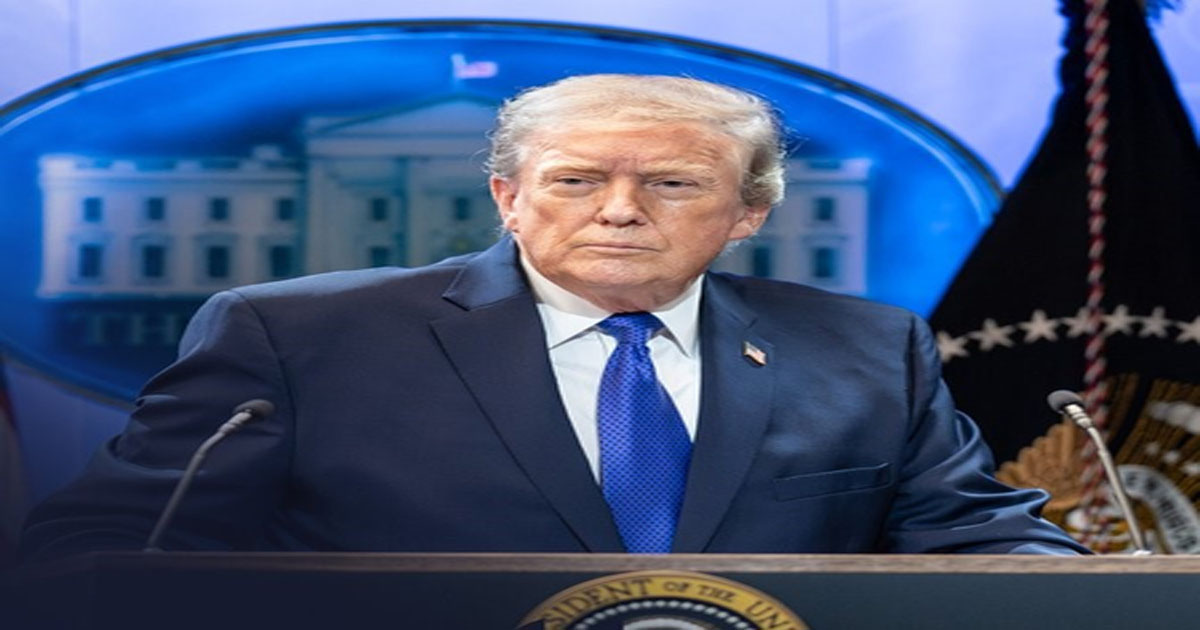
New York, April 20: US President Donald Trump said that US forces have intercepted and taken custody of an Iranian-flagged cargo ship that tried to bypass its blockade in the Gulf of Oman.
“Today, an Iranian-flagged cargo ship named TOUSKA, nearly 900 feet long and weighing almost as much as an aircraft carrier, tried to get past our Naval Blockade, and it did not go well for them,” Trump wrote in a post on his social media Truth Social.
A US destroyer intercepted the TOUSKA in the Gulf of Oman, and “gave them fair warning to stop,” Trump added. “The Iranian crew refused to listen, so our Navy ship stopped them right in their tracks by blowing a hole in the engineroom. Right now, US Marines have custody of the vessel.”
Iran has attacked US military ships in retaliation for the US seizure of its vessel, according to latest news reports.
The announcement came after the White House confirmed US Vice-President JD Vance would lead another delegation for a second round of talks with Iran in Pakistan.
Tehran has not yet confirmed its attendance. Iranian state media has reported that officials will not participate while the US blockade remains in place.
Earlier, Iran’s Khatam al-Anbiya Central Headquarters warned that it will “soon respond” to the US “armed maritime piracy,” Xinhua news agency reported quoting Iran’s Press TV.
Iran’s official news agency IRNA said on Sunday that the country has rejected taking part in the second round of the peace talks with the United States, which were reportedly to be held in Pakistan soon.
Trump said on Friday that the naval blockade of Iranian ports would continue until a deal was agreed by the two countries.
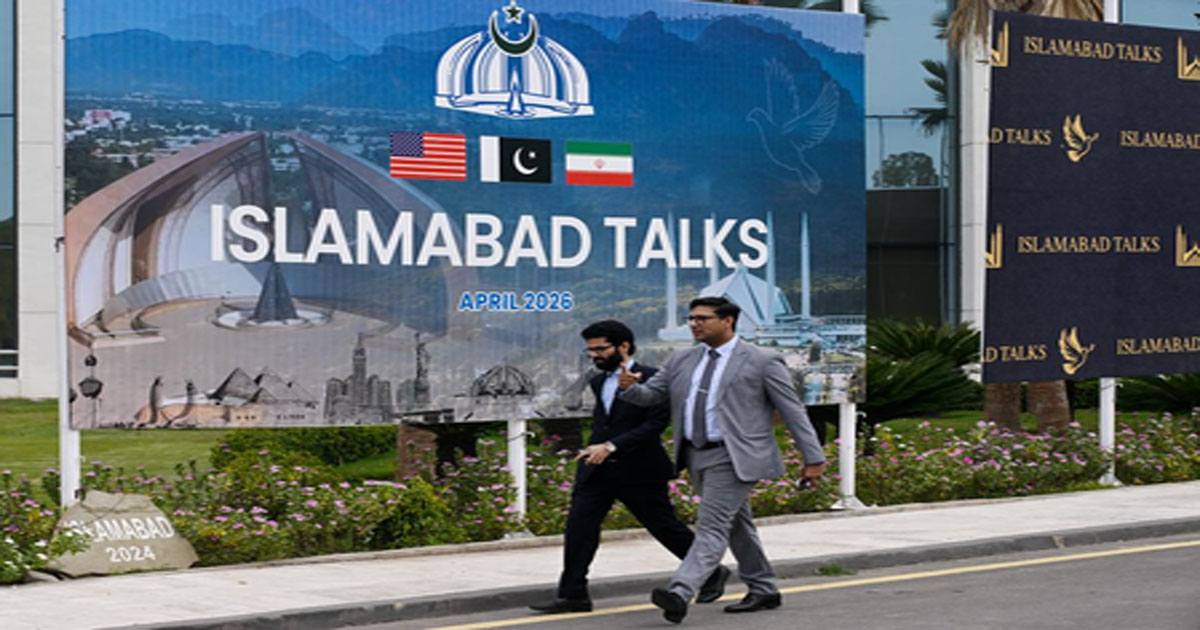
Islamabad, April 20: As US forces have intercepted and taken custody of an Iranian-flagged cargo ship, and Iran said it has currently no decision to send a negotiating delegation for peace talks, the prospect of an expected second round of US-Iran talks remains unclear.
Meanwhile, other regional countries continue their efforts to bring the two sides to the table.
On Sunday, President Donald Trump said that US forces had intercepted and taken custody of an Iranian-flagged cargo ship that tried to bypass the US blockade in the Gulf of Oman.
“Today, an Iranian-flagged cargo ship named TOUSKA, nearly 900 feet long and weighing almost as much as an aircraft carrier, tried to get past our Naval Blockade, and it did not go well for them,” Trump wrote in a post on his social media platform, Truth Social.
In a tit-for-tat reaction, Iran has attacked US military ships in retaliation for the US seizure of its vessel, according to the latest news reports.
Ahead of the skirmish over the Strait of Hormuz, Trump on Sunday also announced that US negotiators will travel to the Pakistani capital, Islamabad, on Monday for possible talks with Iran, but he didn’t detail who will head the team.
However, the Iranian side denied the potential talks in Islamabad. Iran’s semi-official Tasnim news agency said Sunday that Iran currently has no decision to send a negotiating delegation for peace talks with the United States.
The Iranian team has stressed that as long as the US “anti-Iran” naval blockade remains in place, there will be no negotiation with Washington, according to the report.
Iran’s official news agency IRNA said on Sunday that the country has rejected taking part in the second round of peace talks with the United States. Iran’s absence from the second round of talks “stems from what it called Washington’s excessive demands, unrealistic expectations, constant shifts in stance, repeated contradictions, and the ongoing naval blockade, which it considers a breach of the ceasefire,” the agency said in a post on its English account on social media platform X.
Trump stressed that the US naval blockade on Iran would remain in full force until Washington’s transaction with Tehran is “100 per cent complete.”
The Strait of Hormuz is only one of the obstacles ahead. According to statements from both sides and media reports, the nuclear issue is another major point of divergence.
Trump said on Friday that the United States would work with Iran to remove its enriched uranium. CNN, citing informed sources, reported that Washington is prepared to unfreeze 20 billion US dollars in Iranian assets in exchange for Tehran’s handing over its stockpile, a proposal rejected by Iranian Deputy Foreign Minister Saeed Khatibzadeh as “impossible.”
Disagreement also persists over Iran’s right to enrich uranium. Trump said that Iran had agreed to suspend its nuclear program indefinitely, a claim denied by an anonymous senior Iranian official in an interview with CNN the following day.
US sources familiar with previous talks said Washington had proposed a 20-year suspension of Iran’s enrichment activities. Tehran countered with a five-year pause — a proposal the United States did not accept.
Despite differences between Iran and the US, regional countries are intensifying efforts to restart talks between the two adversaries after their first round of negotiation in Islamabad.
Pakistani Prime Minister Shehbaz Sharif on Sunday had a phone conversation with Iranian President Masoud Pezeshkian. During the 45-minute phone call, Sharif apprised the Iranian leader about his recent engagements with regional leaders, including those of Saudi Arabia, Qatar and Turkey, stressing that such interactions were crucial for building consensus and bringing lasting peace to the war-ravaged region.
Pakistan’s Deputy Prime Minister and Foreign Minister Mohammad Ishaq Dar also held a separate phone conversation with Iranian Foreign Minister Seyed Abbas Araghchi.
Also on Sunday, Egyptian Foreign Minister Badr Abdelatty and his Pakistani counterpart Dar voiced hope for a new round of US-Iran talks during a phone call, affirming that negotiation and dialogue are the only way to resolve the dispute.
Both parties agreed to maintain joint coordination and consultation on relevant developments to support regional security and stability.
To prepare for the possible talks, Pakistan has placed its capital, Islamabad, and the neighbouring garrison city of Rawalpindi on high security alert.
According to police sources, some 20,000 police personnel, supported by hundreds of elite commandos, including snipers, have been deployed on security duty across the twin cities. Similar arrangements were made before the first round of peace talks.
Authorities have also suspended all public and goods transport in Rawalpindi and Islamabad as part of the security plan, while most entry points to the Red Zone have been sealed.
Major hotels, including Serena Hotel and Marriott Hotel, have asked guests to vacate after the government requisitioned the properties for the talks. Hostels and guest houses in the capital were also directed to close until further notice.
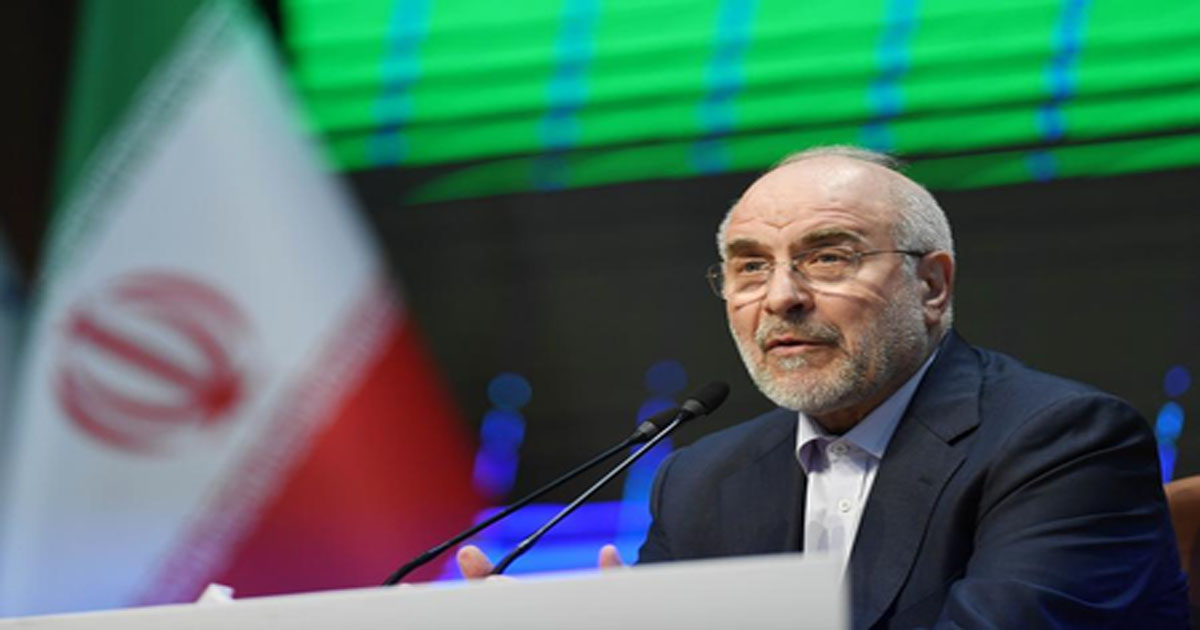
Tehran, April 19: Iran has indicated that there has been “progress” in its ongoing discussions with the United States, though it stressed that a final agreement is still a long way off, with the current two-week ceasefire due to expire on April 22, according to local media reports on Sunday.
Mohammad Bagher Ghalibaf, Speaker of the Iranian Parliament, said in a televised address on Saturday (local time) that significant differences continue to persist between the two sides.
“There are many gaps and some fundamental points remain,” Ghalibaf said, underlining that negotiations have yet to reach a decisive stage.
“We are still far from the final discussion,” he added, signalling that while dialogue is ongoing, a comprehensive settlement has not yet been achieved.
Ghalibaf also asserted that Iran had maintained an upper hand during the recent weeks of conflict and suggested that Tehran agreed to the temporary ceasefire only after its conditions were acknowledged by Washington.
“If we accepted the ceasefire, it was because they accepted our demands,” he said, referring to the United States.
Emphasising Iran’s strategic position, he said the US had failed to accomplish its objectives, while Iran continued to exercise control over the crucial Strait of Hormuz, a key maritime route for global energy supplies.
“The enemy’s every effort was to impose its demands on us, and it is important that we register our rights, so this is where negotiation is a method of struggle,” Ghalibaf said.
Meanwhile, Iran’s Supreme National Security Council (SNSC) said that the country is determined to exercise control and supervision over traffic through the Strait of Hormuz until the war is definitively ended and a lasting peace is achieved in the region.
The statement, reported by Iranian media, came after Iran’s main military command, Khatam al-Anbiya Central Headquarters, announced earlier on Saturday the resumption of strict control over the Strait of Hormuz, citing the continuation of US naval blockade against Iran.
The SNSC said it will control the strait by demanding vessel information, issuing passage permits, charging fees for security and environmental services, and directing traffic according to its regulations and wartime protocols, Xinhua news agency reported.

Municipal Commissioner (Western Suburbs) Dr. Vipin Sharma reviewed Manohar Wiman Desai Hospital in Malad

Mumbai: Head of gang who made children dress up as girls arrested, major operation by Crime Branch

BJP leader Nazia Elahi’s misbehavior in Mumbai Lenskart store, appeal to reveal religious identity

Mumbai: Demand to stop unnecessary rounding of animals before Eid-ul-Azha, Abu Asim Azmi also demands action from DGP Sadanandate

Massive Blaze Erupts Inside Bus At Mumbai Wadala RTO; No Injuries Reported

Dhurandhar 2 Box Office Collection Day 9: Ranveer Singh Starrer Earns ₹41.55 Crore On Its Second Friday; Enters ₹700 Crore Club

Bharti Airtel Receives ₹1,74,000 Penalty Notice From DoT For Subscriber Verification Lapses

Mumbai: 28-Year-Old Ghatkopar Woman Killed By Speeding Tanker While Crossing Road, Driver Arrested

Thane Horror: Man Slashed With Chopper In Naupada For Refusing ‘Vargani’, Caught On Camera

Chilling Highway SCAM In Maharashtra! Mumbai Man Cornered By Fake Recovery Agents Claiming ₹10 Lakh Dues Near Lonavala
-

 Crime4 years ago
Class 10 student jumps to death in Jaipur
-

 Maharashtra2 years ago
Mumbai Local Train Update: Central Railway’s New Timetable Comes Into Effect; Check Full List Of Revised Timings & Stations
-

 Maharashtra2 years ago
Mumbai To Go Toll-Free Tonight! Maharashtra Govt Announces Complete Toll Waiver For Light Motor Vehicles At All 5 Entry Points Of City
-

 Maharashtra2 years ago
False photo of Imtiaz Jaleel’s rally, exposing the fooling conspiracy
-

 National News2 years ago
Ministry of Railways rolls out Special Drive 4.0 with focus on digitisation, cleanliness, inclusiveness and grievance redressal
-

 Maharashtra1 year ago
Maharashtra Elections 2024: Mumbai Metro & BEST Services Extended Till Midnight On Voting Day
-

 National News2 years ago
J&K: 4 Jawans Killed, 28 Injured After Bus Carrying BSF Personnel For Poll Duty Falls Into Gorge In Budgam; Terrifying Visuals Surface
-

 Crime2 years ago
Baba Siddique Murder: Mumbai Police Unable To Get Lawrence Bishnoi Custody Due To Home Ministry Order, Says Report