
National News
Bihar Police issues alert to prevent hoarding of petrol, LPG

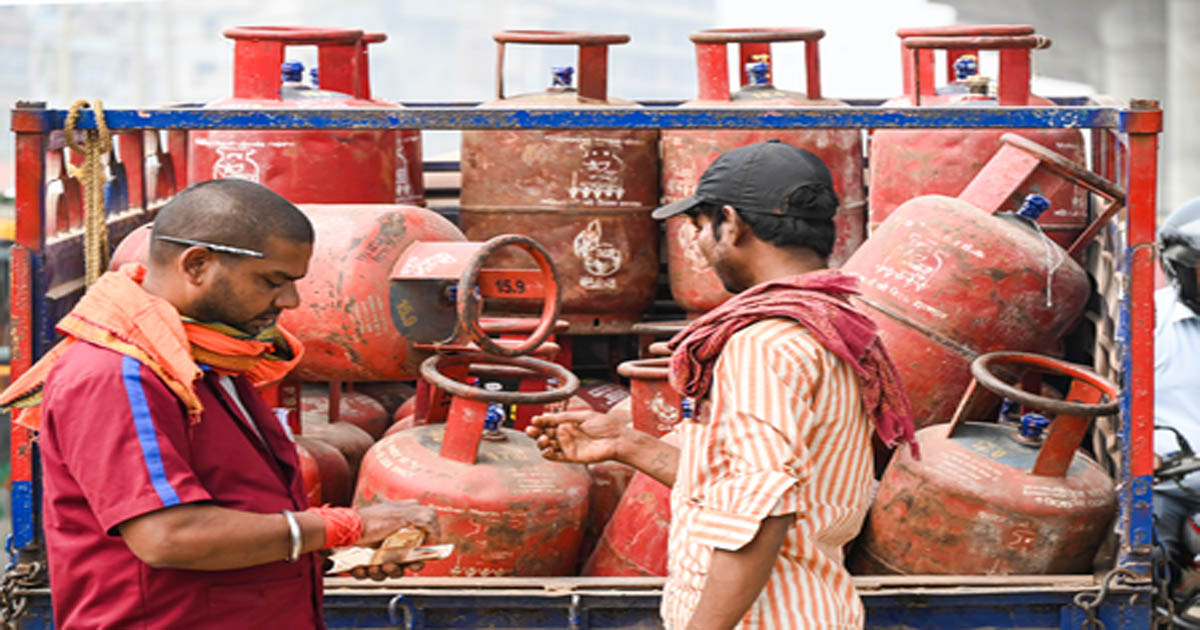
Patna, March 11: As fears of shortage of LPG and petroleum products triggered panic buying across Bihar, the Bihar Police stepped in to manage the situation and issued an alert directing authorities to prevent chaos and hoarding. Although the government has stated that LPG stocks are sufficient and there is no need to panic, anxiety remains high among residents.
According to officials, the Special Branch of the Bihar Police issued an alert letter directing authorities to increase police patrols around petrol pumps and LPG agencies to prevent chaos and hoarding.
The directive was sent to Divisional Commissioners, Range IGs/DIGs, District Magistrates, and district police chiefs across the state.
The letter warned that tensions in West Asia, particularly involving Iran and the United States, could impact the supply of petroleum products, potentially causing panic buying.
Authorities were asked to remain vigilant against crowds, hoarding, and black marketing and to ensure law and order near fuel distribution points.
Bihar usually receives around 2.5 lakh LPG cylinders daily, including domestic and commercial cylinders supplied to homes, hotels, restaurants, schools, and hostels.
However, gas agencies claim that fresh supplies have not reached many areas for the past three days, meaning that only existing stock is currently being distributed.
In several districts, booking of commercial LPG cylinders has been temporarily stopped, while domestic consumers are waiting for hours to obtain cylinders.
Long lines have been reported outside gas agencies in multiple districts, including Gopalganj, Bhojpur, Darbhanga, Araria, West Champaran, Purnea, Supaul and other districts.
Consumers, including women and elderly residents, have been seen standing in queues from early morning, with many returning home empty-handed.
To control the situation, the government has invoked the Essential Commodities Act, 1955, which allows authorities to regulate supply and prevent hoarding of essential items such as fuel and food.
Under the current measures, a second domestic cylinder can only be booked after 25 days of the previous delivery. OTP or biometric verification has been made mandatory during delivery, and oil refineries have been directed to increase LPG production.
The Ministry of Petroleum and Natural Gas has also formed a high-level committee of executive directors from three state-run oil companies to continuously monitor supplies.
Meanwhile, residents in the Koira block of Katihar district have alleged that some gas agencies are secretly selling cylinders at inflated prices.
According to locals, while the official LPG cylinder price is around Rs 1,012, some cylinders are allegedly being sold in the black market for Rs 1,500–Rs 2,000.
Consumers claim that agencies often tell regular customers that stocks are exhausted while selling cylinders privately at higher prices.
The fear of supply disruption has been further fueled by rumours linked to geopolitical tensions in West Asia.
Many families are reportedly trying to stockpile LPG cylinders, which has worsened the shortage.
With complaints of shortages and alleged black marketing increasing, district administrations — particularly in Katihar — are under pressure to take strict action against hoarders and ensure fair distribution.
Residents say that unless the administration acts quickly, illegal trading and black marketing of LPG cylinders may continue, leaving ordinary consumers to bear the brunt of the crisis.

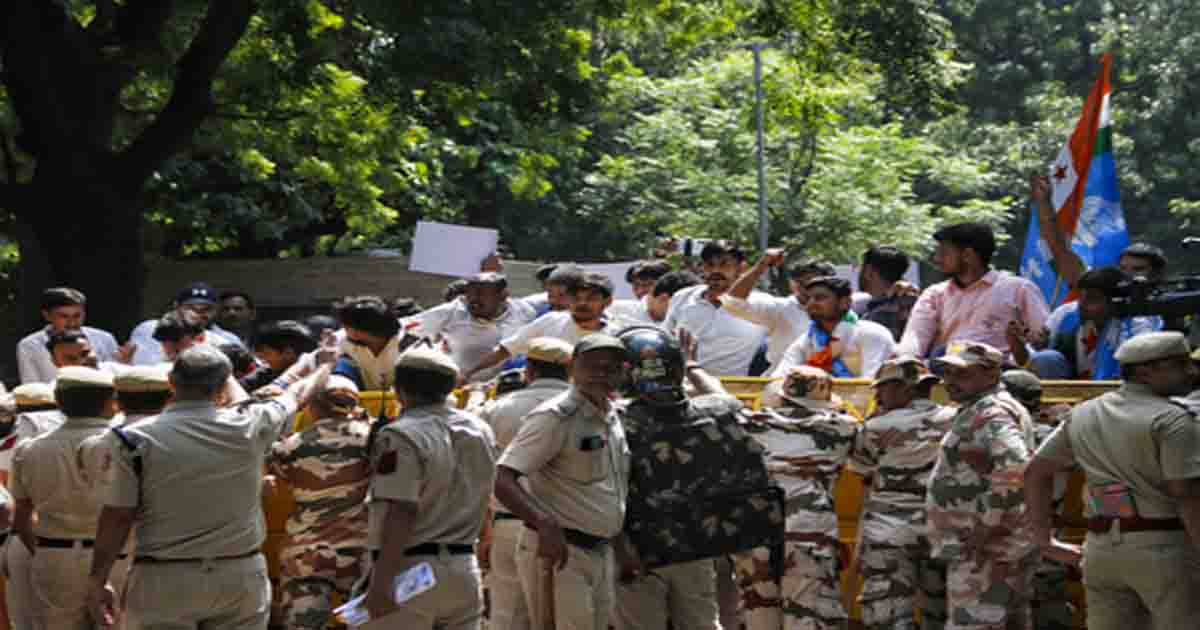
New Delhi, Oct 6: Association of Students for Alternative Politics (ASAP), the students’ wing of the Aam Aadmi Party (AAP), said on Tuesday that it will undertake a protest march to the national capital’s Jantar Mantar on October 10 against the Chief Election Commissioner (CEC) Gyanesh Kumar.
CEC Kumar has come under fire following a media report which claimed that Election Commissioners Sukhbir Singh Sandhu and Vijay Joshi had “objected on record” to several decisions taken by the Election Commission of India (ECI), allegedly without their knowledge, specifically over the conduct of Special Intensive Revision (SIR) of electoral rolls.
In a post on the social media platform X, Eeshna Gupta, Co-in-charge of ASAP, said: “Across the country, thousands are raising their voices against the functioning of the Election Commission, demanding the resignation and prosecution of CEC Gyanesh Kumar, withdrawal of the SIR, and comprehensive reforms to the ECI.”
“Despite repeated instances of police action, manhandling and sexual assault against protesters and journalists, the movement for democratic accountability continues to grow. On October 10, ASAP will march to Jantar Mantar in New Delhi alongside student organisations, democratic groups, and individuals united around these demands,” she added.
According to a statement issued by the organisation, the protests across the country reflect “growing public concern” over the functioning of the Election Commission, with demands for the resignation and prosecution of CEC Gyanesh Kumar, the withdrawal of the SIR, and comprehensive reforms within the ECI.
Noting that thousands of students and individuals have come together in defence of constitutional and democratic values, the AAP students’ body added: “ASAP stands in solidarity with those participating in these demonstrations and with the broad demand for the protection of democratic rights, constitutional freedoms, and the right to peaceful protest. We call upon democratic organisations, student groups, and individuals committed to constitutional values to participate in the protest.”
Earlier on Tuesday, the Opposition INDIA bloc MPs launched a protest march towards the Election Commission of India (ECI) headquarters in New Delhi, demanding the resignation of the CEC.
However, the opposition leaders were stopped by security personnel midway.
Last week, the Aam Aadmi Party and several left-wing student organisations, including Students’ Federation of India (SFI) and All India Students’ Association (AISA), staged a protest against the CEC at Jantar Mantar, with several being detained by the police.
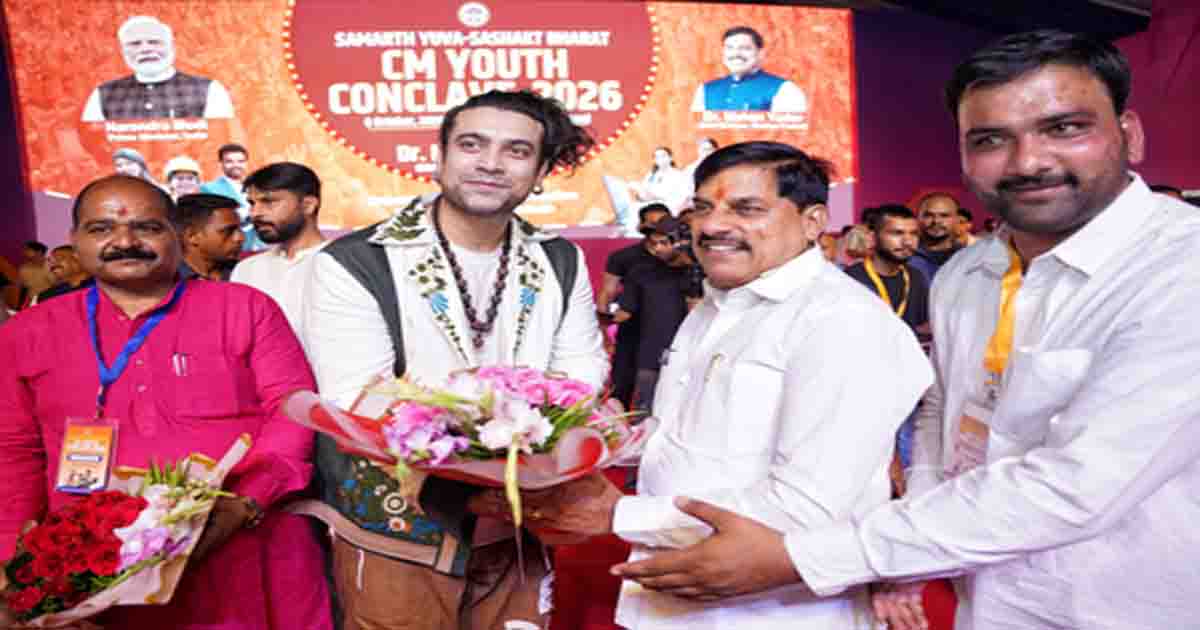
Bhopal, Oct 6: Chief Minister Mohan Yadav on Tuesday promised to expand employment and career opportunities for young people in Madhya Pradesh, announcing twice-yearly MPPSC examinations and separate job-oriented tests from 2027 as part of a series of youth-focused measures.
Addressing the CM Youth Conclave-2026 at Lal Parade Ground in Bhopal, Yadav declared 2027 as the “Year of Youth” and said the state government would focus on education, skill development, research, innovation and employment. “Next year will be observed as the Year of Youth. Therefore, the PSC examination will be conducted twice a year,” Yadav said.
He said separate employment-oriented examinations would also be conducted in addition to the regular MPPSC examinations, describing the initiative as a first in the country. The Chief Minister announced that 12 medical colleges and 12 new skill-oriented universities would be established in the state.
The government plans to open one medical college every month, he said. Free coaching for competitive examinations will be provided in government colleges across all districts, while state-of-the-art laboratories for Artificial Intelligence and advanced computing will be established, Yadav said.
The government will also increase the monthly stipend for research scholars from Rs 16,000 to Rs 25,000. Each university will be provided a dedicated fund of Rs 1 crore for research activities, he said. “An Idea Fund of Rs 5 crore will be created at the state level to encourage innovation and startup ideas among the youth,” Yadav said.
The state will enrol one lakh youths in skill-enhancement programmes and facilitate job placements through placement agencies. An Investor Meet will also be organised next year to help generate employment opportunities, he said.
Yadav said the measures were aimed at creating a wider ecosystem for young people to pursue higher education, research, entrepreneurship and jobs within the state.
During his address, the Chief Minister also referred to Prime Minister Narendra Modi’s public life and urged the youth gathered at the conclave to applaud and greet him.
“Under the leadership of our Prime Minister, tomorrow marks 25 years of Prime Minister Narendra Modi’s public life. Today, all of us in Bhopal and the youth of the entire state should applaud and extend our greetings to Prime Minister Narendra Modi,” Yadav said.
According to government data cited at the event, around 36.74 crore people aged 15-29 years live in India, accounting for nearly 26 per cent of the country’s population.
National News
Maha CM launches ‘Participate Mumbai’ platform to boost CSR-led development partnerships

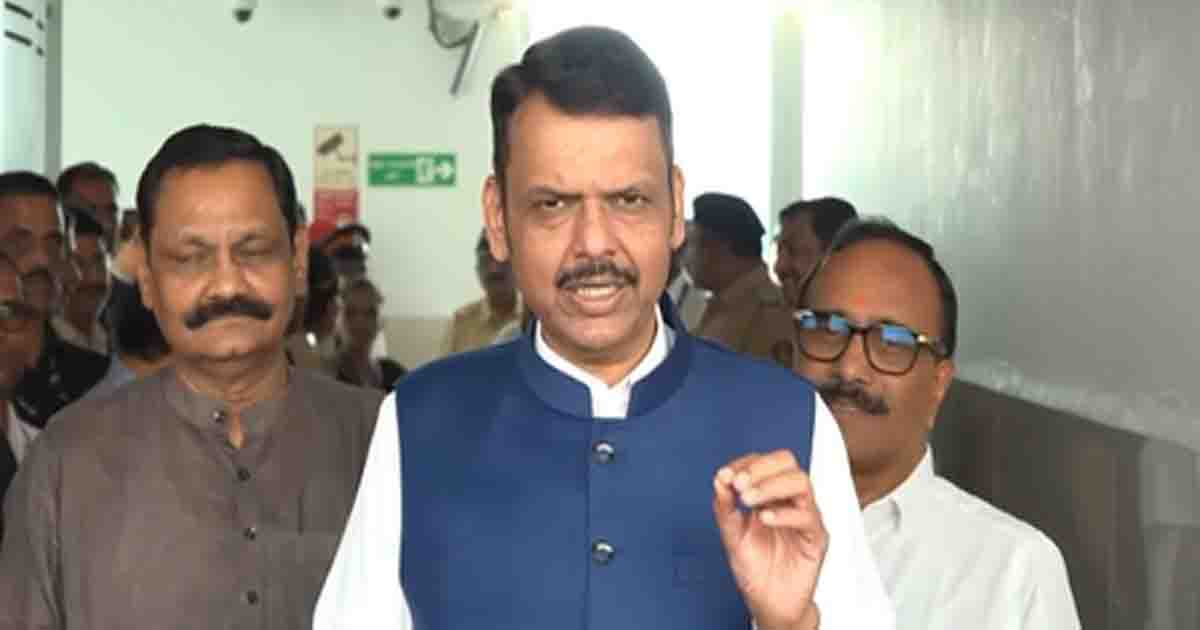
Mumbai, Oct 6: Maharashtra Chief Minister Devendra Fadnavis on Tuesday inaugurated ‘Participate Mumbai’, a digital platform to enhance collaboration between the Brihanmumbai Municipal Corporation (BMC), corporates, NGOs, experts and citizens for the city’s development through Corporate Social Responsibility (CSR) initiatives.
He said that a Memorandum of Understanding (MoU) with the ‘Samagra’ organisation will help improve the Brihanmumbai Municipal Corporation’s (BMC) service delivery system, simplify administrative processes, and boost efficiency. Both these initiatives will combine public participation with swift administration to speed up Mumbai’s development.
CM Fadnavis remarked that ‘Participate Mumbai’ is not just a platform to secure CSR funds, but a collaborative platform centered on the idea of “What can you and I together do for the last person in society?”
Information about various projects on BMC’s requirements for partnership will be made available on this portal. Companies, NGOs, or citizens willing to work in sectors such as education, healthcare, water, employment, environment, parks, beautification, and poverty alleviation can select projects aligned with their interests, he said.
If an organisation wishes to work in a specific field, it can also present its own proposal on the platform. The Chief Minister expressed confidence that this would bridge the gap between the BMC and the social and corporate sectors, thereby accelerating development work.
CM Fadnavis emphasised that rather than focusing solely on the amount of funds spent through CSR, what matters more is how much public welfare was achieved and what real impact was created. Through CSR partnerships, the government gains access to new technologies, modern management practices, robust monitoring mechanisms, and flexible working methods. Traditional government administrative processes have certain limitations; therefore, combining government machinery with CSR partners yields far more effective results.
While the BMC has executed major work in infrastructure, there is an urgent need for more effective interventions in education, health, and nutrition. Issues like malnutrition, stunting, and wasting among children persist in certain parts of the city. CSR partnerships must be effectively leveraged to reach children in slums and underprivileged areas with proper nutrition.
He said nutrition directly impacts brain development, academic performance, and immunity in children; thus, targeted interventions will yield long-term benefits for the next generation.
An Artificial Intelligence (AI)-based system has been implemented in the BMC’s building proposal department for scrutinising construction plans. CM Fadnavis stated that the goal moving forward should be to minimise or eliminate human intervention in this process, which will significantly boost ease of doing business in Mumbai.
The administration must adapt with time, and the mindset of “We have done it this way for years; who is going to teach us?” needs to change, Fadnavis said.

AAP students’ wing to join protests against CEC on Oct 10

Drug-free Maharashtra: CM Devendra Fadnavis, NCB D-G Anurag Garg discuss strategy

CM Yadav promises more job opportunities for youth, announces twice-yearly PSC exams

Maha CM launches ‘Participate Mumbai’ platform to boost CSR-led development partnerships

Navi Mumbai International Airport steps up mobility, hospitality and airline support

Gift to President Putin part of PM Modi bid to globally display India’s heritage

PM Modi’s warm camaraderie with Putin, Xi on full display at BRICS Summit

Corporators of all parties in trouble! Corporators of all major parties including Shiv Sena (UBT), BJP and Congress are facing legal challenges.

Complaint against Netflix & Mukesh Chhabra for inappropriate language on ‘India’s Got Latent 2’

Maha Congress stages agitation against Gyanesh Kumar
-

 Crime4 years ago
Class 10 student jumps to death in Jaipur
-

 Maharashtra2 years ago
Mumbai Local Train Update: Central Railway’s New Timetable Comes Into Effect; Check Full List Of Revised Timings & Stations
-

 Maharashtra2 years ago
Mumbai To Go Toll-Free Tonight! Maharashtra Govt Announces Complete Toll Waiver For Light Motor Vehicles At All 5 Entry Points Of City
-

 Maharashtra2 years ago
False photo of Imtiaz Jaleel’s rally, exposing the fooling conspiracy
-

 National News2 years ago
Ministry of Railways rolls out Special Drive 4.0 with focus on digitisation, cleanliness, inclusiveness and grievance redressal
-

 Maharashtra2 years ago
Maharashtra Elections 2024: Mumbai Metro & BEST Services Extended Till Midnight On Voting Day
-

 National News2 years ago
J&K: 4 Jawans Killed, 28 Injured After Bus Carrying BSF Personnel For Poll Duty Falls Into Gorge In Budgam; Terrifying Visuals Surface
-

 Crime2 years ago
Baba Siddique Murder: Mumbai Police Unable To Get Lawrence Bishnoi Custody Due To Home Ministry Order, Says Report