
Business
Private Corporate Investment To Cross From ₹2.2 To ₹2.67 Lakh Crore In 2025–26 Aided By RBI’s 100-Basis-Point Rate Cut

Mumbai: Private corporate investment is expected to cross Rs 2.67 lakh crore in 2025–26 from Rs 2.2 lakh crore in 20254-25, aided by robust macroeconomic fundamentals, improved balance sheets, rising capacity utilisation, easy liquidity conditions, infrastructure push, and the 100-basis points policy rate cut starting from February 2025, according to the RBI’s latest monthly bulletin. Private corporate investment remained as one of the vital contributors to India’s long-term growth trajectory.
After a period of subdued activity during the pandemic years, the investment cycle is being rejuvenated by a confluence of supportive factors.In 2024–25, the macroeconomic backdrop is characterised by robust GDP growth, sustained disinflation, and a consequent conducive monetary policy stance, the article states.
Over the past few years, Indian corporates have undergone a phase of balance sheet repair, aided by deleveraging, improved cash flows, and strong profitability across several sectors.
The banking sector’s improved asset quality and abundant liquidity have further enhanced the credit environment, translating into easier access to financing for capacity expansion.Recent trends in high-frequency indicators — such as rising imports of capital goods, improved capacity utilisation, and increased flows in corporate bond markets — signal renewed investment appetite among firms.
Additionally, sector-specific policies, such as the Production-Linked Incentive (PLI) schemes, energy transition investments, and digital infrastructure expansion, are incentivising corporates to undertake fresh investments.The domestic economy continues to demonstrate resilience, with real GDP growth of 6.5 per cent in 2024–25, making India the fastest-growing major economy, underpinned by robust domestic demand, and steady progress on public infrastructure investments.
Investment in green field (new) projects accounted for the lion share of about 92 per cent in the total cost of projects financed by banks and financial institutions during 2024-25, in line with the trend seen in the past.
Greenfield investment generally brings new and additional resources and assets to the firms and leads to gross fixed capital formation (GFCF).Higher investment in green filed projects thus points to likely capacity expansion by private corporates going forward, according to the article.
The industry-wise distribution of projects sanctioned during 2024-25 indicates that the infrastructure sector remained the major sector accounting for 50.6 per cent share in the total cost of projects, primarily driven by investment in ‘Power’, followed by ‘Road & bridges’.Beside infrastructure, among the other major industries, chemicals and pesticides, construction, electrical equipment, and metal & metal products also accounted for the sizable share in the total cost of projects.


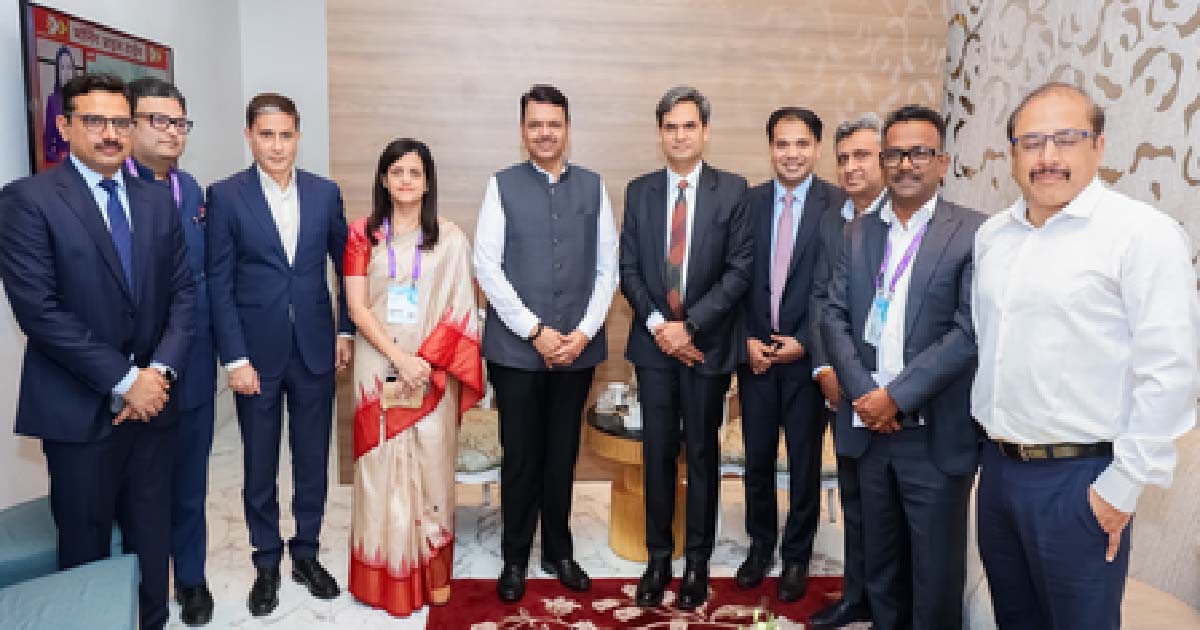
Nagpur, Dec 12: Chief Minister Devendra Fadnavis on Friday announced that a crucial milestone has been achieved in the journey to establish Maharashtra as a GCC (Global Capability Centre) Hub.
He said that the Brookfield company is set to build Asia’s largest Global Capability Centre (GCC) in Mumbai, spanning approximately 2 million square feet.
The Chief Minister said that this project is expected to generate a total of 45,000 jobs, including 15,000 direct and 30,000 indirect jobs.
He stated that due to the state’s talent pool, infrastructure, and industry-friendly environment, Maharashtra is becoming a preferred destination for Global Capability Centres.
“The new GCC policy will lead to large-scale skill-based job creation and economic growth,” he added.
He also mentioned that FedEx, a global leader in the logistics sector, is keen to invest in its GCC and other operations near the Mumbai-Navi Mumbai airport area, said the government release.
The Chief Minister informed that he requested Microsoft to consider Maharashtra for their investments, noting that their largest existing investment is already in the state.
He expressed confidence that Microsoft will make a major investment in the future and take the lead in making Maharashtra an Artificial Intelligence (AI) centre.
The Chief Minister said that Maharashtra’s model for crime control with the help of Artificial Intelligence is a guiding light for the entire country.
Chief Minister Fadnavis confirmed that Microsoft has assured priority to Maharashtra in their largest ever investment in India, amounting to $17 billion.
He further highlighted the ‘Marble’ platform developed by Maharashtra, which helps detect cyber and financial crimes in just 24 hours instead of 3-4 months.
He said that this has resulted in saving people’s money and has expedited the process of tracking criminals.
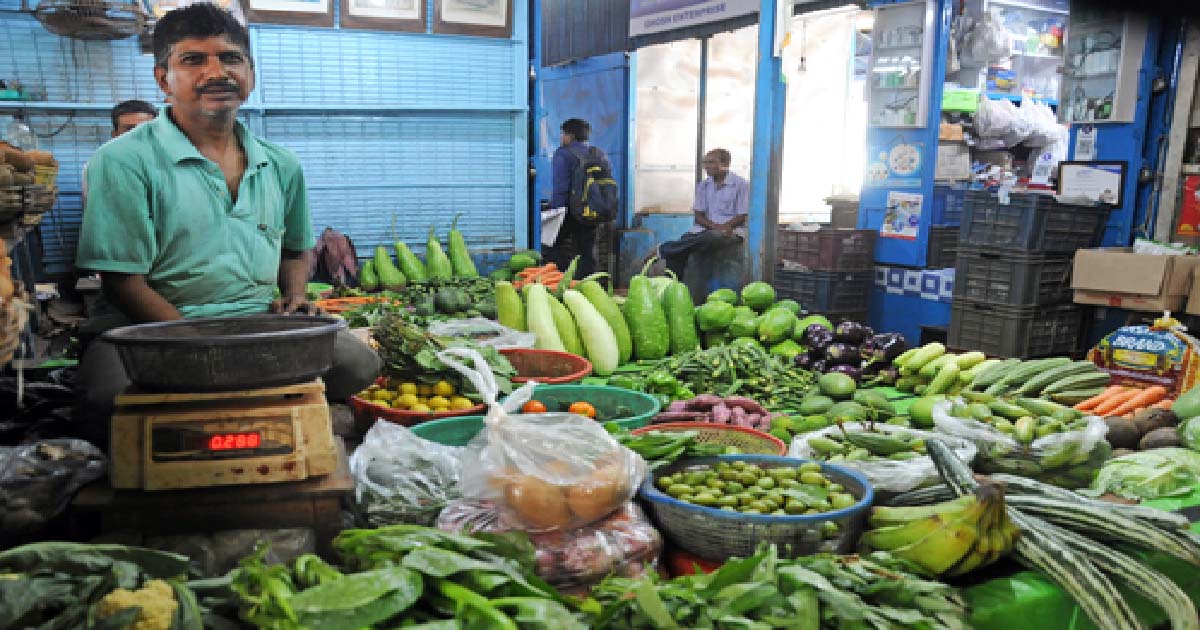
New Delhi, Dec 12: India’s year-on-year inflation rate, based on the Consumer Price Index (CPI), was estimated at 0.71 per cent for November this year which was marginally higher than the 0.25 per cent in October, according to figures released by the Ministry of Statistics on Friday.
Food inflation stayed in the negative zone during November at (-) 3.91 per cent as prices of food goods fell compared to the same month of the previous year. Food inflation has now stayed negative for the sixth month in a row, easing the burden on household budgets.
However, the increase in headline inflation during November 2025 is mainly attributed to an increase in the inflation of vegetables, eggs, meat and fish, spices, and fuels compared to October, according to an official statement.
The retail inflation had eased further in October, after having plummeted to an over 8-year low of 1.54 per cent in September, as prices of food items and goods across sectors fell during the month.
The declining trend in food prices continued in October as food inflation fell deeper in the negative zone at (-) 5.02 per cent from (-) 2.28 per cent in September.
However, the overall outlook for inflation remains benign.
The RBI’s monetary policy committee (MPC) last week slashed its forecast for India’s inflation rate for the financial year 2025-26 to 2 per cent from 2.6 per cent predicted in October due to the sharp decline in food prices and the GST rate cuts playing out.
RBI Governor Sanjay Malhotra announced a reduction in the repo rate by 25 basis points to 5.25 per cent from 5.5 per cent earlier, as inflation had come down and the monetary policy could focus on boosting growth.
Malhotra said that the surge in economic growth to 8.2 per cent in the second quarter of the current financial year and the sharp decline in inflation to 1.7 per cent had provided a rare “Goldilocks period” for the Indian economy.
“The MPC noted that headline inflation has eased significantly and is likely to be softer than the earlier projections, primarily on account of the exceptionally benign food prices. Reflecting these favourable conditions, the projections for average headline inflation in 2025-26 and Q1:2026-27 have been further revised downwards.”
Malhotra also pointed out that core inflation (which excludes food and fuel) remained largely contained in September-October, despite continued price pressures exerted by precious metals. Excluding gold, core inflation moderated to 2.6 per cent in October. Overall, the decline in inflation has become more generalised, he added.
The RBI Governor observed that food supply prospects have improved on the back of higher kharif production, healthy rabi sowing, adequate reservoir levels and conducive soil moisture. Barring some metals, international commodity prices are likely to moderate going forward.
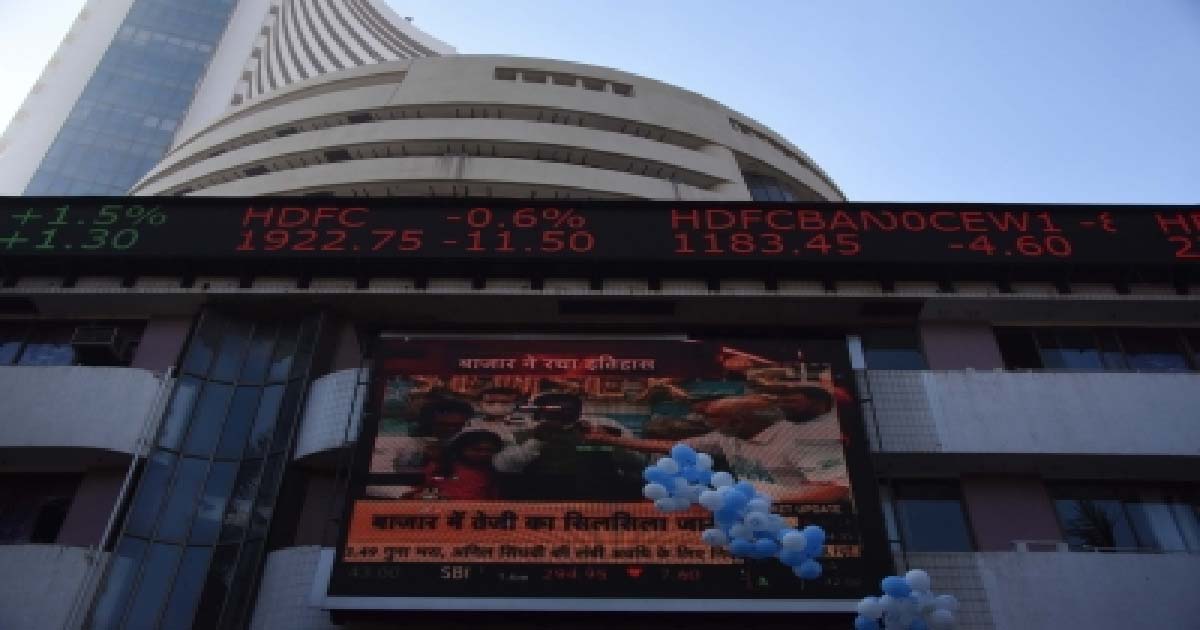
Mumbai, Dec 12: Indian stock markets gained for the second straight session on Friday, supported by a strong global rally and heavy buying in metal stocks.
Sentiment also improved after Prime Minister Narendra Modi spoke with US President Donald Trump on Thursday to discuss strengthening economic ties, as both countries continue working toward a trade agreement.
At the closing bell, the Sensex had risen 449.53 points, or 0.53 per cent, to 85,267.66.
The Nifty also moved higher, adding 148.40 points, or 0.57 per cent, to trade at 26,046.95.
“In the near term, the trend is likely to remain constructive as long as the index holds above 25,900, which is expected to serve as a key support level,” experts said.
“On the higher side, the index may move towards 26,300 in the short term,” they added.
Several major stocks led the gains on the Nifty, including Tata Steel, Eternal, UltraTech Cement, L&T, Maruti Suzuki, Bharti Airtel, Adani Ports, Axis Bank and Bajaj Finance.
However, some stocks came under pressure due to profit booking. HUL, Sun Pharma, Asian Paints, ITC, Power Grid and HCL Tech were among the top losers.
In the broader markets, the Nifty MidCap index rose 1.18 per cent, while the Nifty SmallCap index advanced 0.94 per cent.
Sector-wise, the Nifty Metal index led the rally with a jump of 2.63 per cent, followed by realty, consumer durables and oil and gas. The FMCG and media sectors slipped into the red.
Meanwhile, silver prices in India continued their sharp upward trend. Silver futures crossed the historic Rs 2 lakh per kg mark for the first time on Friday, extending a rally that has pushed the metal up nearly 130 per cent so far this year.
Experts said that the combined boost from global cues, strong sectoral performance and improving geopolitical engagement helped the markets end the week on a positive note.

Maharashtra on path to becoming GCC hub: CM Fadnavis

Bihar: Robbers posing as police steal goats purchased under CM’s scheme

Lack of general civic amenities in Mankhurd Shivaji Nagar, rehabilitation should be done after civic amenities are provided to the victims of Dharavi Rehabilitation Project: Abu Asim

India’s CPI inflation estimated at 0.71 pc for Nov, food inflation stays in negative zone

Sensex, Nifty extend gains as metal stocks rally

Kalyan College Namaz Controversy: SIO Demands Action Against Perpetrators

SS Rajamouli Faces FIR For ‘Hurting’ Religious Sentiments Over Controversial Lord Hanuman Remark At Varanasi Event In Hyderabad

Mumbai Local Train Update: Megablock On Central, Harbour, Trans-Harbour & Western Railway Lines On Nov 16; Check Details

Mega Block On Sunday, 23-11-2025: Mumbai Local Train Services To Be Affected On CR’s Main Line, No Block On Harbour & Trans-Harbour Line; Check Details

Sensex, Nifty open marginally down amid negative global cues
-

 Crime3 years ago
Class 10 student jumps to death in Jaipur
-

 Maharashtra1 year ago
Mumbai Local Train Update: Central Railway’s New Timetable Comes Into Effect; Check Full List Of Revised Timings & Stations
-
 Maharashtra1 year ago
Mumbai To Go Toll-Free Tonight! Maharashtra Govt Announces Complete Toll Waiver For Light Motor Vehicles At All 5 Entry Points Of City
-

 Maharashtra1 year ago
False photo of Imtiaz Jaleel’s rally, exposing the fooling conspiracy
-
 National News1 year ago
Ministry of Railways rolls out Special Drive 4.0 with focus on digitisation, cleanliness, inclusiveness and grievance redressal
-
 Maharashtra1 year ago
Maharashtra Elections 2024: Mumbai Metro & BEST Services Extended Till Midnight On Voting Day
-

 National News1 year ago
J&K: 4 Jawans Killed, 28 Injured After Bus Carrying BSF Personnel For Poll Duty Falls Into Gorge In Budgam; Terrifying Visuals Surface
-

 Crime1 year ago
Baba Siddique Murder: Mumbai Police Unable To Get Lawrence Bishnoi Custody Due To Home Ministry Order, Says Report