
Maharashtra
681 soak pits completed for rainwater management under road concreting project

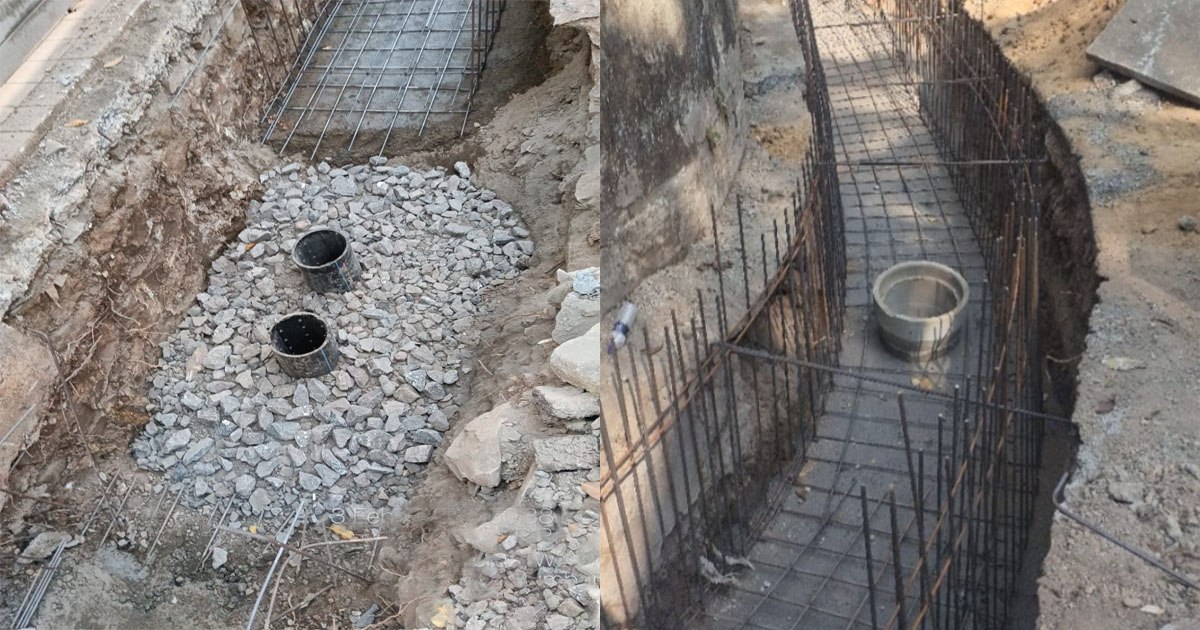
Under the Mumbai Pothole-Free Roads initiative, the Brihanmumbai Municipal Corporation has launched a road concreting project. Out of the 700 km of roads planned for concreting under Phase 1 and Phase 2, 576 km of roads are being concreted so far, achieving about 81% of the target. As an integral part of the concreting project, soak pits have been constructed to effectively manage rainwater and promote groundwater recharge. Accordingly, a total of 681 soak pits have been completed so far in the three divisions of Mumbai City, Eastern Suburbs and Western Suburbs. These soak pits will help in collecting rainwater in the ground and will also help in reducing the pressure on the drainage system.
The implementation of the road concreting project has become a major milestone in modernising Mumbai’s transport system. The project is helping to make traffic on major and secondary roads of Mumbai smoother, faster and more orderly, and the daily commute of citizens has improved significantly. So far, 576 km of roads have been concreted and all these roads have been opened for traffic. The project is being implemented within the stipulated time frame, strictly adhering to quality standards. The Mumbai Municipal Corporation administration, headed by Municipal Corporation Commissioner Ashwini Bhide, has launched a comprehensive cement concreting project to improve the quality of infrastructure in Mumbai. Due to which, travel on the roads is becoming easier. There are very few incidents of potholes due to rain on concrete roads and the maintenance costs have also come down. Apart from this, concrete roads last longer. The reason is that the citizens of Mumbai are getting pothole-free roads. Its long-term positive effects are being seen. To ensure that natural drainage of rainwater is uninterrupted due to concreting and to accelerate groundwater recharge, cesspits have been developed under the project.
Additional Municipal Commissioner (Project) Abhijeet Bangar said that special attention has been paid to natural drainage of rainwater and groundwater recharge while implementing the road concreting project.
It is planned to construct cesspits during the road work to allow rainwater to seep into the ground. These cesspits store rainwater and help it slowly infiltrate into the ground, which recharges the groundwater reserves. Filter media such as stones, gravel and sand are used in cesspools. Rainwater collected in roads or drains is diverted into these drains and from there it infiltrates into the deeper layers of the soil. This helps in storing rainwater locally without wasting it and helps in maintaining the groundwater level. It also helps in reducing the amount of water logging during heavy rainfall and aids in drainage system in urban areas. The completed concreting work has completed a total of 681 cesspools in Mumbai city, eastern suburbs and western suburbs by March 2026. While concreting of all remaining roads in Mumbai is being completed, more cesspools will be constructed along with it. This will help in developing a storm water management system across the city.
Pot filling method
In the construction of cement concrete roads, pits are made at desired locations to drain the rainwater collected on the road quickly into the ground, recharge the groundwater and prevent water from accumulating on the road surface and damaging the road. First, a pit of approximately 1.00 to 1.50 m diameter (circular) or 1.00 × 1.00 m to 1.50 × 1.50 m (square) size and 1.50 to 3.00 m deep is dug at the selected location for soaking. After the excavation is complete, the bottom of the pit is placed on natural soil without concrete, so that water can easily penetrate the ground.
Then a layer of large gravel 40 to 60 mm thick is placed at the bottom of the pit. On top of this, 20 to 40 mm. Gravel and finally 6 to 20 mm. A layer of gravel or coarse sand of the desired size is filled. Due to these layers, the water is filtered and gradually absorbed into the soil. Honeycomb brick construction or perforated RCC rings are installed on the sides of the pit due to which water also enters the soil from the sides and the absorption capacity is increased.
To carry water from the roadside drain or water channel to the absorption pit, two PVC or RCC pipes of 110 mm to 160 mm diameter are connected with a suitable slope. To prevent silt, plastic, garbage or other solids coming with the water from entering the absorption pit and clogging it, a silt trap or silt chamber is prepared before the pipe. This silt trap needs to be cleaned periodically.
A manhole cover is installed at the top of the absorption pit by providing an RCC slab of about 100 to 150 mm thickness. The location of the absorption pit is

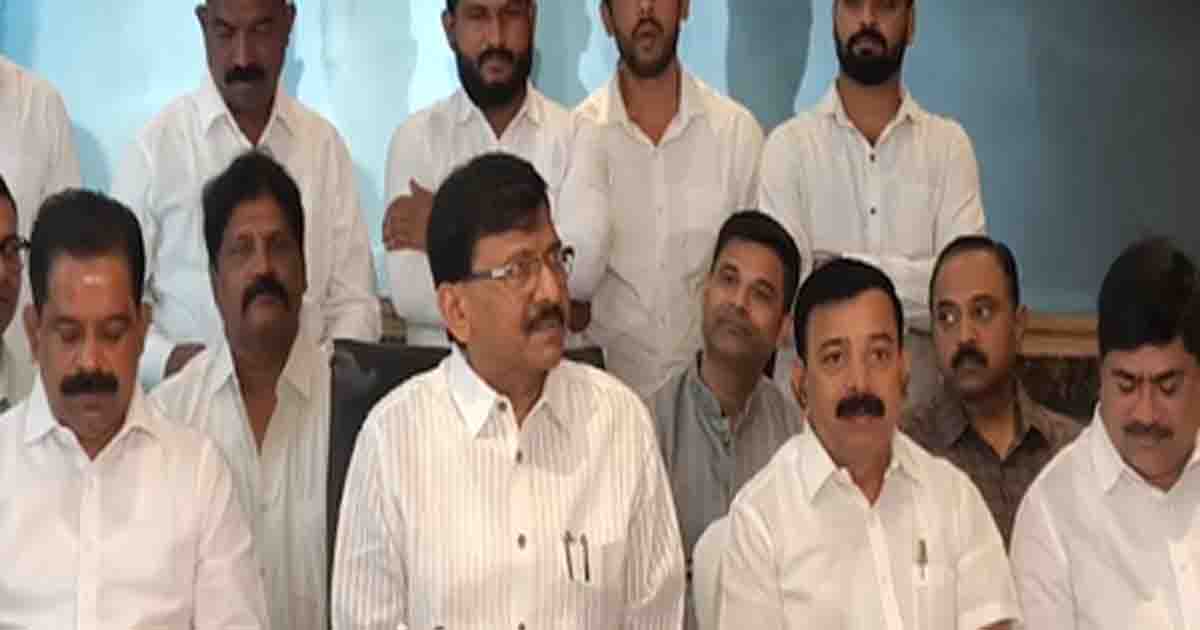
Pune, Oct 10: Shiv Sena (Uddhav Balasaheb Thackeray) MP Sanjay Raut on Saturday predicted that the central government would collapse within six months, accusing it of using heavy police deployment and blockades to prevent protesters from reaching Delhi for the Cockroach Janta Party (CJP) demonstration against Chief Election Commissioner Gyanesh Kumar.
Calling the ongoing protests a “people’s rebellion,” he claimed that the Narendra Modi government was in its final days and would fall by March-April next year.
Speaking to reporters, Raut claimed that the central government is terrified of young citizens and peaceful protesters.
CJP chief Abhijit Dipke on Saturday arrived at the Delhi airport, where the police detained him.
Raut predicted a massive political upheaval in the country, claiming that the central administration is breathing its last.
“This government will not survive. Between March and April, the Modi government will take its last breath, and a national government will be established,” he claimed.
He reiterated his earlier remark that Prime Minister Narendra Modi’s birthday on September 17 would be his last as Prime Minister. “If Modi doesn’t remain, Amit Shah won’t remain either,” he added.
Targeting the leadership, Raut used a harsh phrase referencing the late actor Nana Patekar’s famous dialogue, stating that a “cockroach” can make a government powerless. He alleged that current leaders are merely “traders” rather than strong statesmen, and traders are quick to panic.
He claimed that the Centre has effectively turned Delhi into Jammu and Kashmir, with around 15,000 vehicles stranded outside the city and trains halted to prevent protesters from reaching the capital.
Accusing the Centre of using extreme suppression tactics reminiscent of the British era, Raut questioned why the government was sealing Delhi and stopping youth from protesting democratically.
“Not even during British rule were such massive blockades seen. Thousands of vehicles are stuck on all sides. By what law are you branding protesting youth as traitors and anti-nationals?” Raut asked.
He urged the Delhi Police not to follow illegal orders issued by the central government, alleging that the current regime relies on voter manipulation and state machinery misuse.
Maharashtra
Congress leader Dalwai urges Fadnavis to free Maha activists detained ahead of Delhi stir

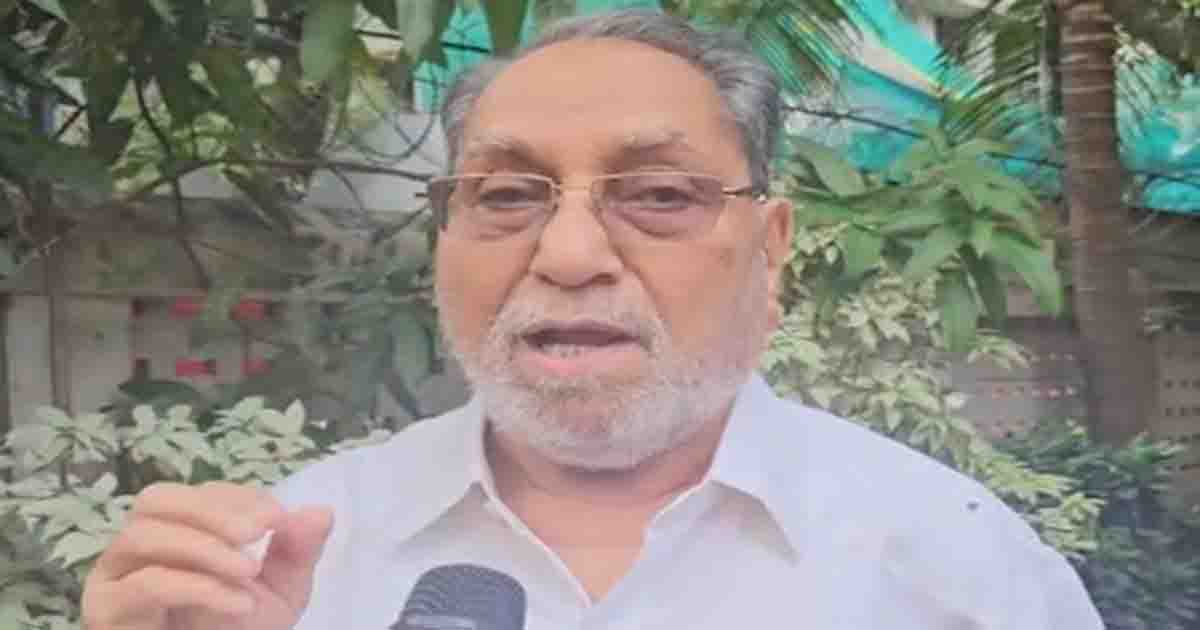
Mumbai, Oct 10: Former Rajya Sabha MP and veteran Congress leader Husain Dalwai has written to Maharashtra Chief Minister Devendra Fadnavis, expressing strong outrage over the detention of senior social activist Firoze Mithiborawala and several other activists across Maharashtra.
Dalwai, in his letter on Friday, said that activists and student union members were traveling to New Delhi to participate in a peaceful rally scheduled for Saturday.
The protest, organised by various student organisations and the Cockroach Janata Party (CJP), aims to demand transparency in the electoral process.
Dalwai stated that the police used high-handed tactics to detain Mithiborawala directly from his residence in Mumbai and kept him in police custody to prevent him from reaching the national capital.
Additionally, several other activists and students travelling by train from Maharashtra were intercepted and detained at various railway stations.
Terming the police action as “authoritarian” and a direct violation of fundamental democratic rights, Dalwai highlighted that the Indian Constitution guarantees freedom of speech, movement, and peaceful assembly. He condemned treating peaceful activists and youth like criminals.
In his appeal, Dalwai urged the Chief Minister to immediately intervene in the matter, take note of the police crackdown, and issue directives to administration officials for the immediate and honourable release of all detained activists and students across the state.
Earlier, the Shiv Sena (Uddhav Balasaheb Thackeray) launched a scathing attack on the Centre, accusing it of driving Indian democracy to its grave.
The Thackeray camp in the party mouthpiece “Saamana” editorial commented on the intensifying political showdown surrounding Chief Election Commissioner (CEC) Gyanesh Kumar, widespread opposition protests, and an unprecedented state-sponsored crackdown on democratic dissent.
The editorial highlighted that Senior Congress leader Rahul Gandhi’s aggressive campaign against CEC Gyanesh Kumar—triggered by allegations of electoral manipulation—has sent shockwaves through the ruling Bharatiya Janata Party (BJP).
It asserted that instead of addressing accusations of systemic electoral irregularities, the ruling establishment is shielding the election chief at all costs, calling the protection of such actions a “betrayal of the nation”.
Condemning the handling of recent demonstrations, the editorial pointed out a glaring double standard by the administration. While Opposition leaders like Rahul Gandhi and Priyanka Gandhi were dragged, manhandled, and bundled into police vehicles during peaceful protests at Jantar Mantar, BJP Mahila Morcha activists staging abrasive demonstrations outside the Congress headquarters were granted absolute immunity by the home ministry, alleged the “Saamana” editorial.
The Thackeray camp claimed that the government planned to deploy around two lakh armed members of Bajrang Dal to Jantar Mantar to crush the opposition’s youth-led “cockroach” movement. It argued that relying on political gangs and “private armies” to violently suppress lawful public dissent invites absolute anarchy and civil unrest.
Maharashtra
Democracy on the edge: Shiv Sena (UBT) attacks Centre over CEC row, crackdown on dissent
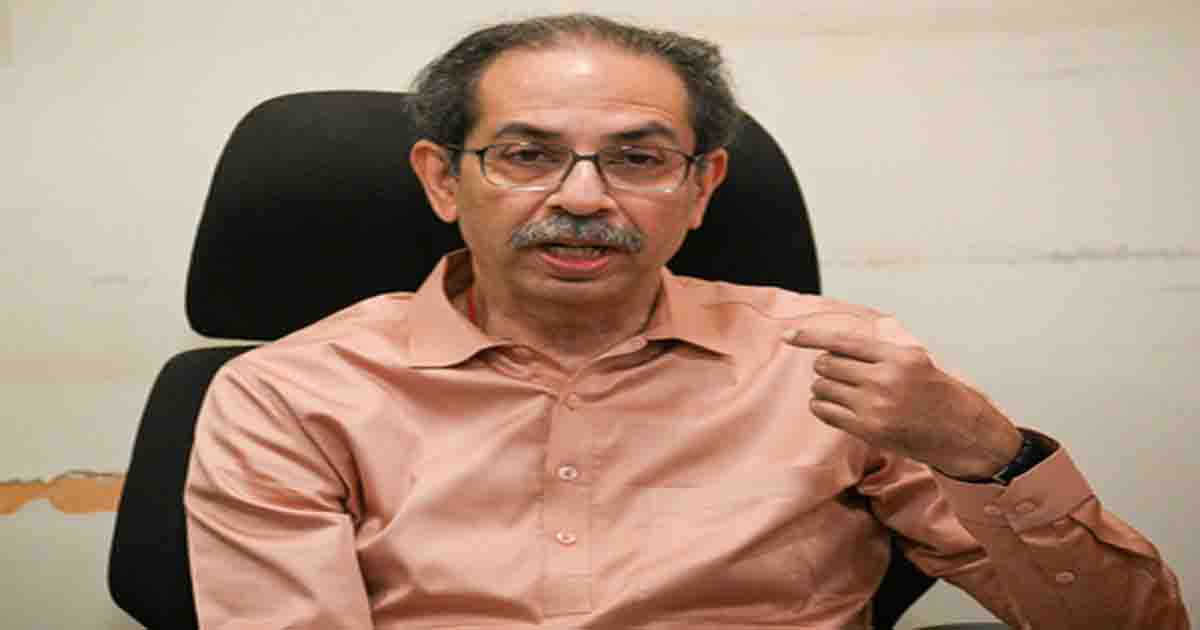
Mumbai, Oct 10: The Shiv Sena (UBT) on Saturday launched a scathing attack on the Centre, accusing it of driving Indian democracy to its grave.
The Thackeray camp in the party mouthpiece Saamana editorial commented on the intensifying political showdown surrounding CEC Gyanesh Kumar and widespread opposition protests demanding his resignation.
The editorial highlighted that Senior Congress leader Rahul Gandhi’s aggressive campaign against CEC Gyanesh Kumar — triggered by allegations of electoral manipulation — has sent shockwaves through the ruling BJP.
It asserted that instead of addressing accusations of systemic electoral irregularities, the ruling establishment is shielding the election chief at all costs, calling protection of such actions a “betrayal of the nation”.
Condemning the handling of recent demonstrations, the editorial pointed out a glaring double standard by the administration. “While opposition leaders like Rahul Gandhi and Priyanka Gandhi were dragged, manhandled, and bundled into police vehicles during peaceful protests at Jantar Mantar, BJP Mahila Morcha activists staging abrasive demonstrations outside the Congress headquarters were granted absolute immunity by the Home Ministry,” alleged the editorial.
The Thackeray camp claimed the government planned to deploy around two lakh armed members of Bajrang Dal at Jantar Mantar to crush the opposition’s youth-led “cockroach” movement.
It argued that relying on political gangs and “private armies” to violently suppress lawful public dissent invites absolute anarchy and civil unrest.
Detailing ongoing administrative blocks, the editorial noted that Delhi Police denied formal permissions for protests, long-distance trains heading toward Delhi were canceled en route, and young demonstrators traveling to participate were intercepted and arrested.
Citing remarks from senior BJP veteran Murli Manohar Joshi regarding Abraham Lincoln’s democratic principles — which emphasise free elections, transparent bureaucracy, and responsible governance — the editorial lamented that none of these tenets survive under the current dispensation, where constitutional bodies face institutional capture.
The Uddhav Thackeray-led Shiv Sena said the current political climate surpasses authoritarian levels, with the ruling administration allegedly willing to break opposition resolve through physical intimidation rather than political accountability.
As opposition parties rally and tensions and friction between state machinery and protestors peak, it warned that public discontent against the erosion of democratic frameworks has reached a critical threshold.

696 kg of poppy husk worth Rs 1.04 crore seized from truck carrying steel coils in Gujarat

JNU sexual crime: Delhi BJP women ask Congress to expel its MP-cum-professor

Pakistan blasphemy laws under scrutiny over relentless minority persecution

Amitabh Bachchan gets emotional listening to late mother Teji Bachchan’s voice ahead of 84th birthday

Over 50 detained during protest against proposed Mata Sita Women varsity in Patna

Gift to President Putin part of PM Modi bid to globally display India’s heritage

PM Modi’s warm camaraderie with Putin, Xi on full display at BRICS Summit

INDIA bloc begins protest march against ECI

Complaint against Netflix & Mukesh Chhabra for inappropriate language on ‘India’s Got Latent 2’

Maha Congress stages agitation against Gyanesh Kumar
-

 Crime4 years ago
Class 10 student jumps to death in Jaipur
-

 Maharashtra2 years ago
Mumbai Local Train Update: Central Railway’s New Timetable Comes Into Effect; Check Full List Of Revised Timings & Stations
-

 Maharashtra2 years ago
Mumbai To Go Toll-Free Tonight! Maharashtra Govt Announces Complete Toll Waiver For Light Motor Vehicles At All 5 Entry Points Of City
-

 Maharashtra2 years ago
False photo of Imtiaz Jaleel’s rally, exposing the fooling conspiracy
-

 National News2 years ago
Ministry of Railways rolls out Special Drive 4.0 with focus on digitisation, cleanliness, inclusiveness and grievance redressal
-

 Maharashtra2 years ago
Maharashtra Elections 2024: Mumbai Metro & BEST Services Extended Till Midnight On Voting Day
-

 National News2 years ago
J&K: 4 Jawans Killed, 28 Injured After Bus Carrying BSF Personnel For Poll Duty Falls Into Gorge In Budgam; Terrifying Visuals Surface
-

 Crime2 years ago
Baba Siddique Murder: Mumbai Police Unable To Get Lawrence Bishnoi Custody Due To Home Ministry Order, Says Report